





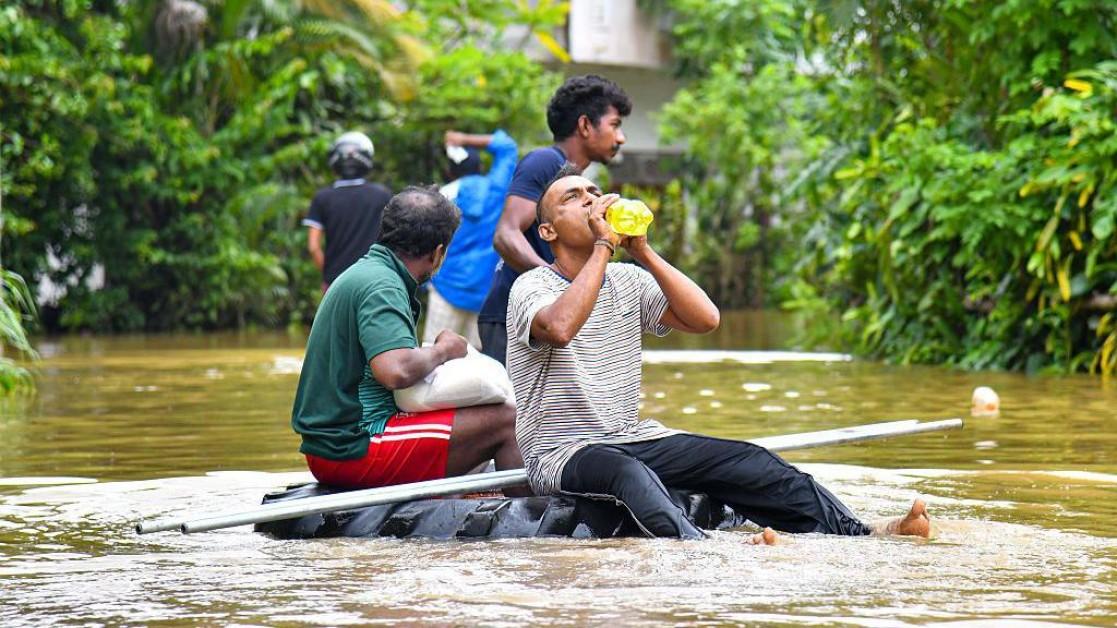
Sri Lanka is facing one of its worst natural disasters in recent years as heavy rains, widespread flooding, and massive landslides have devastated large parts of the country. The Sri Lanka Disaster Management Center has confirmed more than 330 deaths, while hundreds remain missing and over a million people have been forced to leave their homes. The scale of destruction has overwhelmed emergency teams and raised urgent concerns about relief efforts, infrastructure damage, and long-term recovery.
Torrential rains have battered Sri Lanka for days, causing rivers to overflow and triggering landslides in several districts. Homes, roads, bridges, and farmlands have been swept away, leaving communities stranded and rescue teams struggling to reach the worst-hit areas. Entire villages have been submerged or buried under mud, making it extremely difficult to locate survivors or recover bodies.
The central and southern regions of the country have suffered the most severe impact, with areas like Kegalle, Ratnapura, and Nuwara Eliya reporting catastrophic damage. Landslides in hilly regions occurred with little warning, trapping families under debris and destroying entire settlements. Rescue operations are being hampered by poor visibility, blocked roads, and continuous rainfall that increases the risk of further landslides.
Authorities have declared a national emergency as the government, military, and international organizations mobilise resources for relief operations. Helicopters, boats, and rescue squads have been deployed to evacuate stranded residents, distribute food and medical supplies, and provide temporary shelters. Disaster management teams warn that the death toll could rise further as more areas become accessible and missing persons are accounted for.
The humanitarian situation is worsening as more than a million people are displaced and dependent on relief camps. Many survivors have lost their homes, belongings, and livelihoods overnight. Access to clean water, sanitation, and medical care remains limited, increasing the risk of disease outbreaks. Relief agencies are urgently calling for additional supplies, including food, tents, medicines, and hygiene kits.
Economists and environmental experts have pointed out that climate change is intensifying South Asia’s monsoon patterns, making extreme rain events more frequent and destructive. Poor drainage systems, deforestation, and unplanned construction in vulnerable regions have further increased the disaster impact. The Sri Lankan government has acknowledged the need for stronger climate resilience policies, early warning systems, and better land-use planning.
International aid has begun to arrive, with neighbouring countries and global relief organizations offering assistance. However, the scale of devastation means that recovery will require long-term support, from rebuilding homes and infrastructure to restoring agricultural land and supporting affected families. Schools, hospitals, and transport routes will need significant repairs before normal life can resume.
The emotional toll of the disaster is also severe. Families continue to search for missing loved ones, while many communities are mourning widespread loss of life. Volunteers, local organizations, and religious groups have stepped in to support rescue efforts and provide comfort to affected families.
In conclusion, the floods and landslides in Sri Lanka have created a massive humanitarian, economic, and environmental crisis. With more than 330 confirmed dead, hundreds missing, and millions displaced, the country faces a long and difficult road to recovery. The disaster underscores the urgent need for stronger disaster preparedness, sustainable development, and climate adaptation strategies. As relief efforts continue, the world watches and hopes for the safe rescue and recovery of all those impacted by this tragic catastrophe.
 Related News
POST A COMMENT (0)
All Comments (0)
Replies (0)