





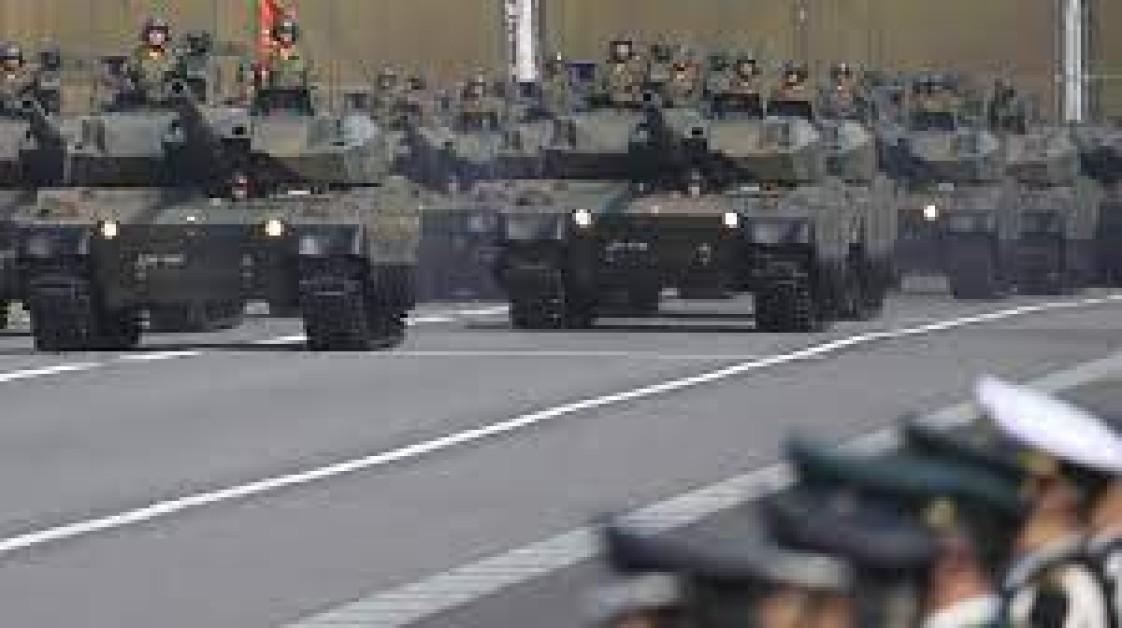
Japan has approved a massive increase in its defence spending, raising its annual military budget to 2 percent of the nation’s GDP. This decision marks one of the most significant shifts in Japan’s post-war security policy and has triggered wide-ranging discussions about regional stability, national priorities, and the future of security in the Indo-Pacific.
The increase aligns Japan with NATO’s defence-spending benchmark, signalling a clear commitment to strengthening military capabilities amid rising geopolitical tensions. With concerns over North Korea’s missile tests, China’s growing assertiveness, and broader instability in the Indo-Pacific, Japan has been under mounting pressure to bolster its defence posture. The government argues that the new budget is essential to ensuring national security in an increasingly unpredictable environment.
The expanded budget will be used to modernise Japan’s Self-Defense Forces with advanced technologies, including cyber defence systems, missile defence upgrades, long-range strike capabilities, and next-generation surveillance tools. Investments will also go toward strengthening maritime security, expanding joint training with allies, and upgrading defence infrastructure across key regions.
Critics, however, question whether such a dramatic increase is necessary. Opposition leaders and civil groups argue that the country’s rising public debt, ageing population, and economic challenges should take priority over military expansion. They worry that higher defence spending could strain the national budget and shift resources away from healthcare, pensions, and social welfare programs. Some also fear that the move could escalate tensions rather than stabilise the region.
Supporters counter that the security landscape has changed drastically in the past decade. They highlight that Japan cannot rely solely on diplomatic tools or the presence of allied forces. Instead, they believe a stronger defence posture is essential to maintaining deterrence and protecting national interests. Many defence analysts say that Japan’s previous military budget was too low to address modern security threats effectively.
The decision also has significant implications for Japan’s role in the Indo-Pacific. As the region becomes a central focus for global power competition, Japan’s increased military investment positions it as a more active strategic partner to countries such as the United States, Australia, and India. The budget increase is expected to deepen cooperation through joint exercises, intelligence-sharing agreements, and coordinated maritime operations.
Within Japan, public opinion remains divided. Some citizens feel that stronger defence measures are necessary given the current geopolitical climate. Others worry that moving closer to a traditional military power signals a departure from Japan’s long-standing pacifist principles established after World War II. This tension between security needs and pacifist values forms the core of the national debate.
Economists have also weighed in, noting that while defence modernisation may create new technological opportunities and stimulate certain industries, sustained military spending must be carefully balanced against economic recovery efforts. They emphasise the need for transparency, efficiency, and accountability in how the additional funds are allocated.
In conclusion, Japan’s decision to boost defence spending to 2 percent of GDP marks a historic turning point in its security strategy. While the move aims to strengthen national defence and protect Japan’s strategic interests, it also raises complex questions about fiscal priorities, regional stability, and the future direction of Japanese policy. As the Indo-Pacific continues to evolve, Tokyo’s bold shift will play a crucial role in shaping the region’s geopolitical landscape.
 Related News
POST A COMMENT (0)
All Comments (0)
Replies (0)