





India has announced the latest monthly fuel price updates, bringing small but notable changes to LPG and aviation turbine fuel. While commercial LPG cylinder rates have been reduced slightly, aviation turbine fuel has undergone its routine monthly revision. These updates impact restaurants, small businesses, and airlines, making them significant for both the general public and the travel sector.
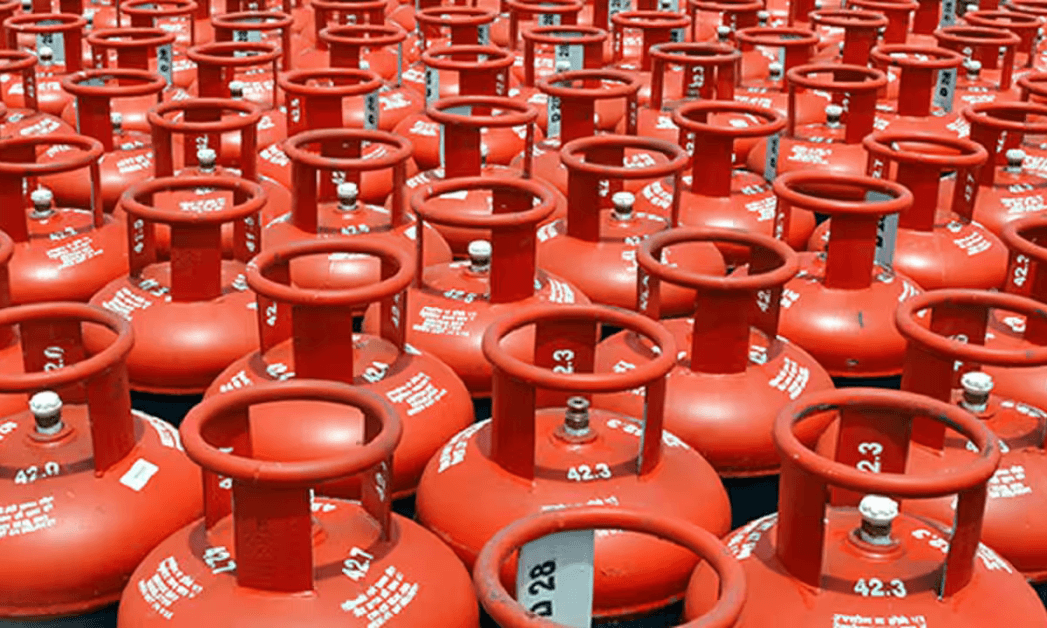
Commercial LPG cylinders, used widely in hotels, eateries, and small commercial establishments, have become slightly more affordable. The minor price cut offers some relief to businesses that rely heavily on cooking gas and have been struggling with fluctuating energy costs. For many small and medium-scale restaurants, even a modest reduction can help stabilise operating expenses and improve profit margins in an already competitive market.
The price of domestic LPG cylinders, however, remains unchanged. Domestic users continue to pay the same rate, which ensures stability for households amid rising costs in other essential sectors. The government often balances domestic and commercial rates differently, keeping consumer welfare in mind while adjusting commercial prices based on global market trends.
On the other hand, aviation turbine fuel has undergone its monthly price revision. ATF is one of the most important cost components for airlines, influencing ticket pricing, operational budgets, and flight planning. Even small fluctuations in ATF rates can change how airlines manage routes, load planning, and pricing strategies. Rising ATF prices typically lead to increased ticket fares, while a reduction can offer temporary relief to both airlines and passengers.
The monthly revisions reflect changes in global crude oil prices, currency exchange rates, and international market trends. Since India imports a significant portion of its crude oil, even slight movements in the global market can affect domestic pricing. Oil marketing companies follow a regular pricing schedule that adjusts fuel costs to stay aligned with global benchmarks.
These price updates also highlight the volatility of the global energy market. While LPG and ATF are essential for everyday business operations and large-scale industries, their prices remain sensitive to geopolitical events, supply chain disruptions, and seasonal demand variations. Economists note that such fluctuations are likely to continue through the year, making regular monitoring important for consumers and businesses alike.
For the aviation sector, ATF adjustments come at a crucial time. Airlines have been focused on managing operational efficiency while dealing with rising travel demand. Any increase in ATF can push up ticket prices, affecting consumer travel behaviour. Conversely, if ATF prices drop in the coming months, airlines may see improved margins and more flexibility in offering competitive fares.
For the hospitality and food service sectors, even a small reduction in commercial LPG prices is a welcome change. Many restaurant owners and caterers have been dealing with rising ingredient costs, utilities, and labor expenses. A slight cut in LPG rates acts as a breather and helps maintain financial stability.
In conclusion, the latest update on LPG and aviation-fuel prices delivers mixed effects across sectors. Commercial LPG cylinder users benefit from a small reduction, offering relief to the service and food industries. ATF’s monthly revision continues to influence the aviation sector, impacting flight economics and ticket pricing. As global energy markets remain unpredictable, businesses and consumers will need to stay prepared for further changes in the months ahead.
 Related News
POST A COMMENT (0)
All Comments (0)
Replies (0)