





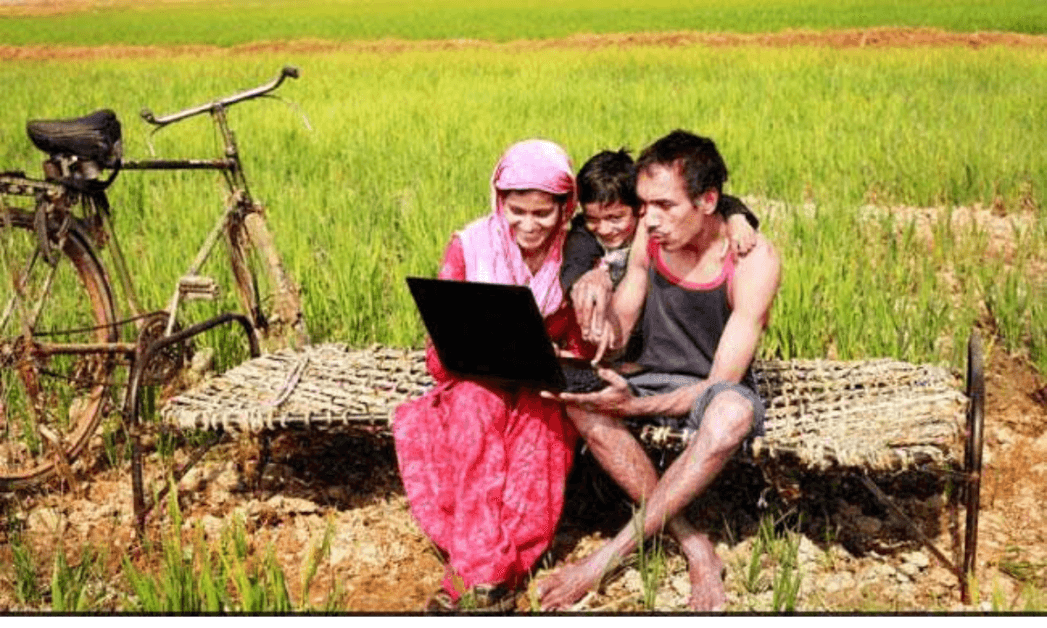
India’s digital journey has accelerated rapidly over the past decade, yet one challenge remains persistent: the digital divide between urban and rural regions. While cities enjoy high-speed internet and 5G networks, many villages still struggle with limited or no connectivity. To eliminate this gap, the government has approved the Smart Rural Connectivity Mission, a large-scale initiative to deliver reliable broadband and public WiFi across rural and semi-urban India.
The mission marks a major push toward a more inclusive Digital India.
The Smart Rural Connectivity Mission was necessary because millions of rural citizens remain disconnected from online education, digital payments, telemedicine, and e-governance services. Students often travel long distances to catch a stable signal, farmers miss real-time crop-market updates, and small businesses remain isolated from online opportunities. Without strong rural connectivity, national digital growth remains incomplete.
The newly cleared mission focuses on three major pillars. The first is rural broadband expansion. Through upgraded fiber networks and last-mile connectivity, every village will receive access to high-speed internet. The goal is to offer minimum speeds of 50 Mbps, affordable rural data plans, and reliable digital infrastructure even in remote areas.
The second pillar is public WiFi hotspots. These hotspots will be installed in panchayat offices, schools, markets, health centers, and other public spaces so that even users without personal broadband plans can access digital services. Free or low-cost WiFi zones ensure that digital access becomes universal rather than limited to a privileged few.
The third pillar is smart digital services for rural communities. With internet access in place, the mission encourages the adoption of telemedicine, digital payments, online learning, virtual classrooms, e-governance portals, and agricultural advisory platforms. These services can significantly improve daily life, productivity, and economic opportunities for rural citizens.
The Smart Rural Connectivity Mission directly addresses the digital divide. Reliable internet empowers rural students with educational platforms, farmers with updated mandi prices and weather forecasts, and local businesses with access to online markets. Women and youth gain new opportunities through online jobs and digital skill programs. With proper access, villages can participate more actively in India’s digital economy.
Economic benefits are another major outcome of the mission. Better connectivity can increase rural income by enabling local sellers, artisans, and farmers to reach wider markets. Internet access also supports job creation, digital entrepreneurship, and smoother integration with national supply chains. A well-connected village becomes more productive, more informed, and more competitive.
The mission still faces challenges. Ensuring affordability is essential for mass adoption. Maintaining fiber networks in remote terrains requires strong local support. Digital literacy must improve to protect users from misinformation and cyber fraud. Training technical workers in villages will also be crucial for long-term sustainability. Overcoming these challenges will determine the success of the mission.
In conclusion, the Smart Rural Connectivity Mission represents a major step toward a truly digital and inclusive India. By bringing broadband and WiFi to every village, the government aims to empower millions of rural citizens with education, healthcare, financial access, and economic opportunities. If implemented effectively, 2025 could become the year rural India fully joins the digital revolution.
 Related News
POST A COMMENT (0)
All Comments (0)
Replies (0)