





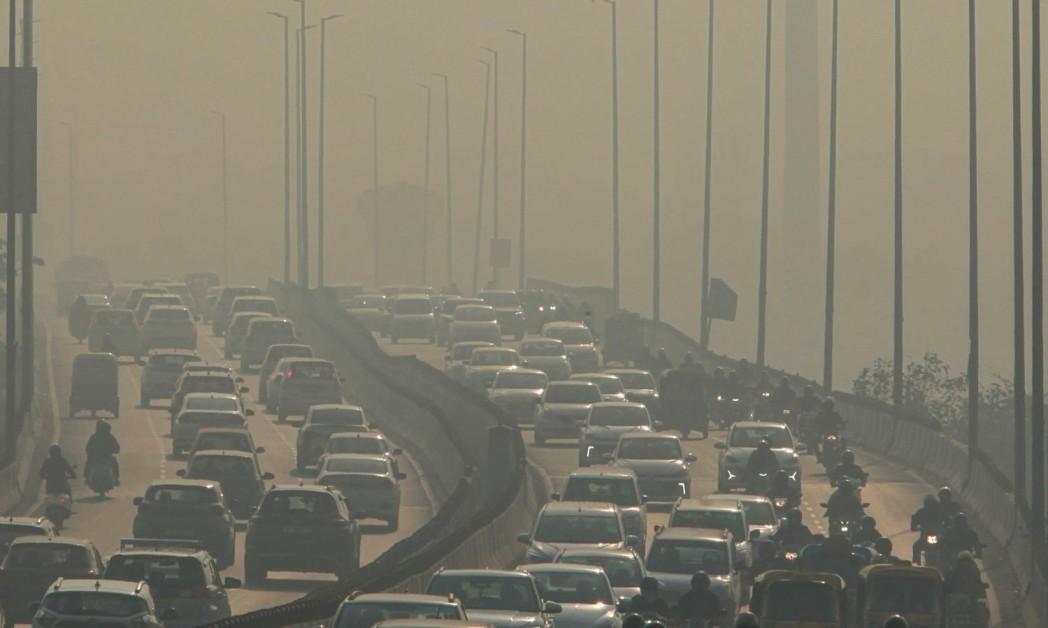
India’s major cities continue to battle a worsening air quality crisis, with pollution levels reaching dangerous peaks and triggering widespread health concerns. Among the worst-hit regions, Delhi once again finds itself at the top of global pollution charts, recording hazardous air quality that has alarmed residents, experts, and authorities. The persistent smog, combined with rising particulate matter, has made breathing itself a daily challenge for millions.
Air quality in many metropolitan areas has deteriorated due to a mix of vehicular emissions, industrial waste, construction dust, and seasonal factors like stubble burning. Delhi’s geographical location and weather patterns worsen the situation, trapping pollutants close to the ground and creating thick layers of smog. This recurring pattern has turned winter months into a public health emergency.
The Air Quality Index in several parts of Delhi has repeatedly crossed the 400 mark, placing it in the severe category. At such levels, the air is dangerous even for healthy individuals, and far more harmful for children, senior citizens, and those with respiratory conditions. Hospitals have reported a rise in cases of breathing difficulty, asthma attacks, eye irritation, and chronic fatigue, all linked to prolonged exposure to toxic air.
Other major cities such as Mumbai, Kolkata, Lucknow, and Gurugram are also experiencing worsening air quality. Rapid urbanization, increasing vehicle numbers, and insufficient pollution-control measures have compounded the problem. Many city residents report difficulty in outdoor activities, frequent coughing, and reliance on air purifiers indoors, reflecting how deeply the crisis affects daily life.
Authorities have been forced to take short-term steps such as restricting construction work, regulating vehicle movement, and shutting schools during peak pollution phases. However, experts warn that these temporary measures do not address the root causes. Long-term strategies involving clean energy adoption, improved public transport, waste management reform, and industrial emission regulation are essential to bring lasting improvement.
The health implications of this crisis extend far beyond immediate discomfort. Long-term exposure to polluted air increases the risk of heart disease, lung damage, cognitive decline, and premature death. Children growing up in these conditions face impaired immunity and reduced lung development, making the crisis even more urgent from a public health perspective.
Environmental groups continue to push for stronger policies, greater accountability, and public awareness. Urban planners argue that cities must redesign infrastructure around sustainability, prioritizing clean mobility and green spaces. Residents, too, are becoming more vocal, demanding cleaner air and stricter enforcement of environmental regulations.
In conclusion, the persistent air quality crisis in India’s major cities highlights an escalating environmental and health emergency. With Delhi among the worst-affected, the situation calls for immediate, coordinated action at both government and civic levels. Cleaner air is not a luxury but a necessity, and unless strong measures are taken soon, urban life in India will continue to be overshadowed by the growing threat of toxic pollution.
 Related News
POST A COMMENT (0)
All Comments (0)
Replies (0)