





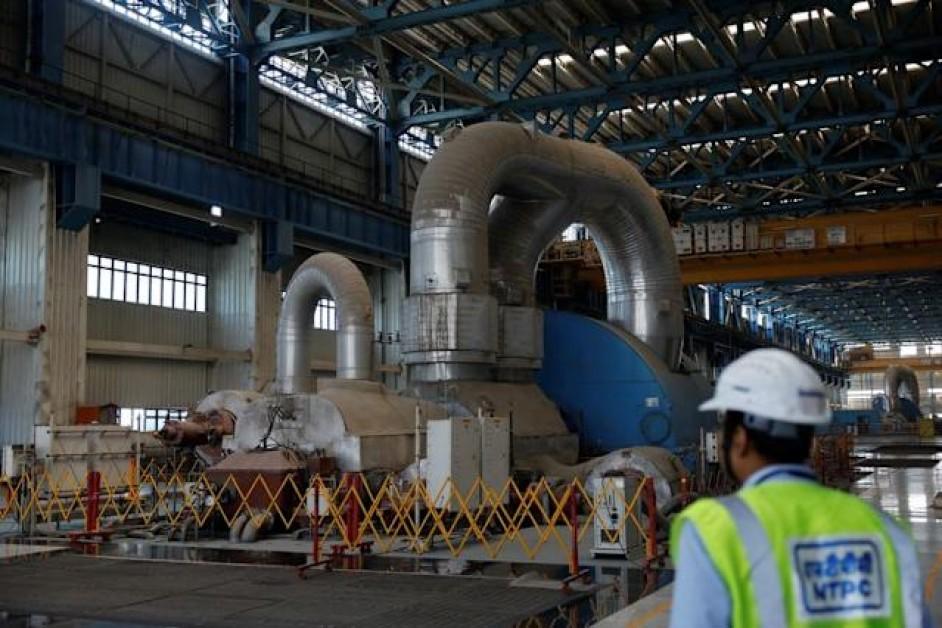
India’s aggressive $80 billion expansion in coal-fired power infrastructure is facing a critical challenge: water scarcity. As the country ramps up investments to boost energy security and meet rising electricity demand, several coal-dependent regions are encountering significant limitations due to dwindling water resources—posing a threat to the operational sustainability of these projects.
Coal power plants are among the largest industrial consumers of freshwater, required for cooling systems, ash handling, and steam generation. Many of the planned or under-construction coal plants are located in regions already experiencing high water stress, including parts of Chhattisgarh, Maharashtra, Jharkhand, and Madhya Pradesh. As these areas grapple with increasing competition for water from agriculture, industry, and urban use, the ability to sustain coal power output is being questioned.
Reports suggest that some plants are facing operational slowdowns during dry seasons, with river-fed cooling systems unable to meet demand. In extreme cases, proposed projects have stalled due to lack of water availability clearances, even after receiving environmental and financial approvals.
This emerging water-energy nexus is now central to the sustainability debate around India’s energy strategy. While coal remains a crucial part of India’s energy mix—especially to stabilize supply and support industrial growth—the rising dependence on water-intensive thermal infrastructure contradicts the nation’s parallel push for climate resilience and resource conservation.
The situation is further complicated by the impacts of climate change, which are expected to exacerbate regional droughts and erratic monsoons. With India aiming to triple its renewable energy capacity by 2030, experts argue that it is time to reassess the balance between fossil fuel expansion and the availability of natural resources like water.
Policy analysts are calling for a more integrated energy planning framework that factors in water constraints. Solutions being explored include adopting dry-cooled coal technologies, prioritizing water-efficient power generation, and aligning coal development with renewable and water-neutral alternatives.
If left unaddressed, water scarcity could become a major bottleneck in India’s energy expansion, putting billions in coal investments at risk. As the country navigates its dual goals of development and sustainability, managing the interdependence between energy and water will be key to building a secure and resilient power future.
 Related News
POST A COMMENT (0)
All Comments (0)
Replies (0)