





India has announced an ambitious plan to deploy at least 1,000 hydrogen-powered buses and trucks by the year 2030, marking a significant step in the country’s efforts to decarbonize its transport sector. This move is part of India’s larger green mobility mission and underscores its commitment to becoming a global leader in clean energy transition.
The plan aims to drastically cut carbon emissions in one of the most polluting segments of the economy—heavy-duty transport. Buses and trucks powered by hydrogen fuel cells are expected to replace conventional diesel vehicles in select corridors and urban transport systems, leading to lower greenhouse gas emissions and reduced urban pollution.
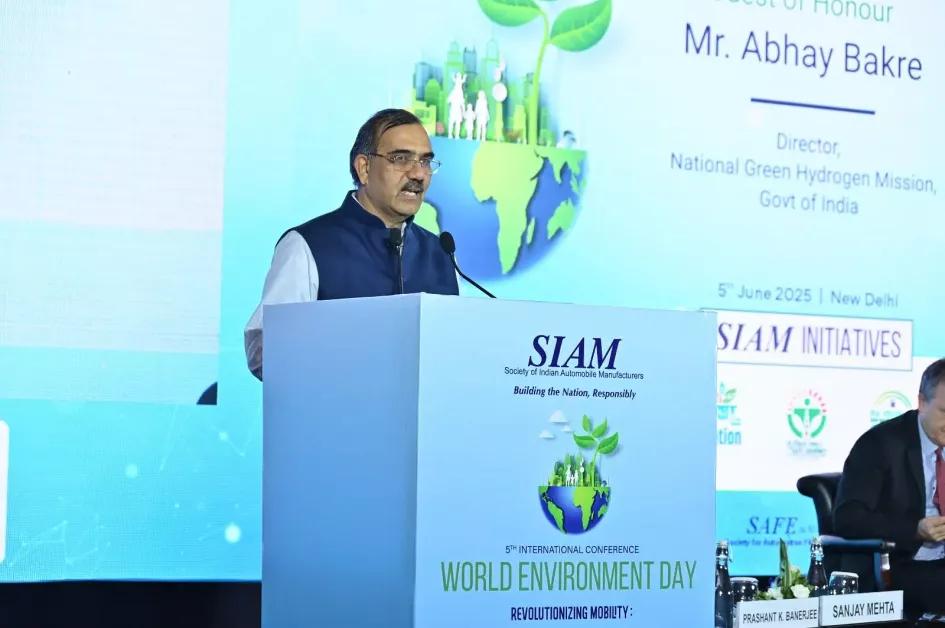
The initiative is supported under the National Green Hydrogen Mission, which was launched to develop India’s capabilities in hydrogen production, storage, and distribution. The government has allocated significant resources for research, infrastructure development, and public-private partnerships to accelerate adoption.
Hydrogen vehicles offer the advantage of zero tailpipe emissions, quick refueling times, and higher energy efficiency for long-haul transportation. These benefits make them an ideal fit for India's logistics sector, where the demand for cleaner and faster freight movement is rapidly increasing.
Key pilot projects are already underway in collaboration with leading Indian automakers and energy companies. State governments are also being encouraged to adopt hydrogen buses in public transport fleets, especially in metropolitan cities with high pollution levels.
Industry experts see the hydrogen push as a game-changer that could not only reduce India's oil imports but also position the country as a technology exporter in the green energy sector. However, challenges such as infrastructure readiness, high production costs, and vehicle affordability need to be addressed.
Despite these hurdles, India’s target of 1,000 hydrogen vehicles by 2030 reflects a clear policy direction and growing momentum in clean transport innovation. If successful, the initiative will lay the groundwork for a larger nationwide rollout and support India's ambition of achieving net-zero emissions by 2070.
 Related News
POST A COMMENT (0)
All Comments (0)
Replies (0)