





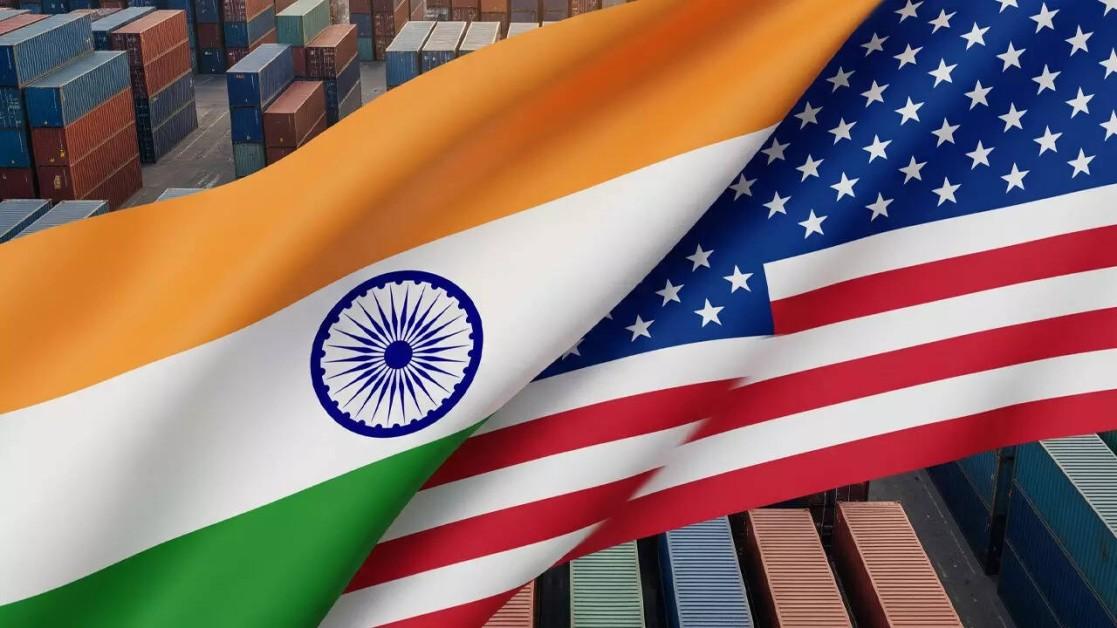
India and the United States have extended their ongoing trade negotiations into next week, signaling a determined effort to finalize an interim agreement aimed at reducing tariffs across crucial economic sectors. The extended dialogue underscores the importance of resolving long-standing trade differences and strengthening bilateral economic ties between the two democracies.
Officials from both sides are negotiating terms that could pave the way for lower tariffs on goods and services, with a particular focus on sectors such as electronics, agriculture, and digital services. These areas have seen friction in recent years due to policy divergences, but also offer significant potential for mutual benefit.
For India, greater access to U.S. markets for its agricultural exports and digital products could boost domestic industries and generate employment. For the U.S., reduced tariffs could mean improved access to India’s expanding electronics and manufacturing sectors, as well as regulatory clarity for American tech firms looking to deepen their digital footprint in the country.
The talks come amid a broader push by both nations to recalibrate trade relations in the post-pandemic era and against the backdrop of shifting global supply chains. With the U.S. seeking to reduce dependency on China and India aiming to emerge as a manufacturing and digital hub, the trade discussions are being seen as strategically vital.
Sources indicate that while major breakthroughs are still pending, progress has been made on certain tariff lines and digital trade frameworks. Discussions also involve compliance standards, market access barriers, and issues surrounding data localization and cross-border e-commerce.
Trade experts suggest that an interim agreement—if reached—could serve as a stepping stone to a comprehensive Free Trade Agreement (FTA) in the future. Both governments have shown political will to deepen economic engagement, especially as they align on key global issues such as supply chain security, climate change, and technology governance.
As the world’s fifth and largest economies continue to negotiate, the success of these talks could send a strong signal to global investors about the stability and depth of the India–U.S. economic partnership. A finalized deal could set the tone for a new era of cooperation built on mutual growth and strategic alignment.
 Related News
POST A COMMENT (0)
All Comments (0)
Replies (0)