





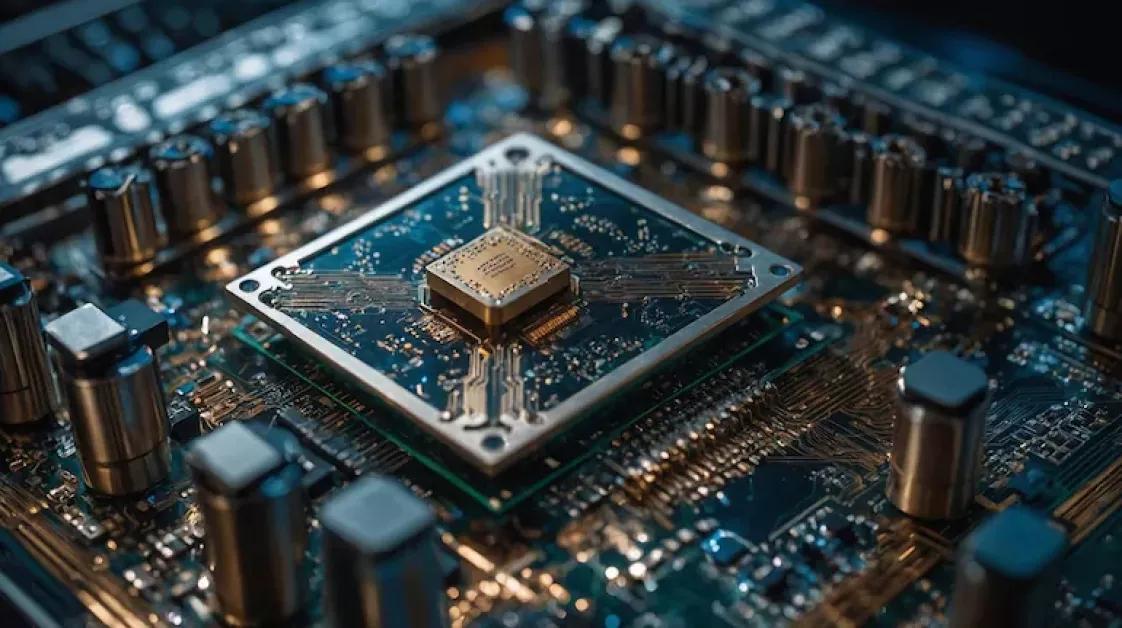
In a strategic push to boost India’s technological self-reliance, Tata Electronics and Bharat Electronics Limited (BEL) have signed a landmark memorandum of understanding (MoU) to jointly develop indigenous semiconductor and electronics solutions. The collaboration marks a significant milestone in India’s journey toward creating a robust and independent semiconductor ecosystem.
The partnership aims to combine the manufacturing and innovation capabilities of Tata Electronics with BEL’s longstanding experience in defense-grade electronics and system integration. Together, they will work on developing and producing advanced semiconductor components, subsystems, and electronic products tailored for sectors such as defense, aerospace, telecommunications, and industrial automation.
This alliance comes at a crucial time when the global semiconductor supply chain is under pressure, and countries are racing to secure their own chip manufacturing capabilities. For India, which currently imports the majority of its semiconductors, building indigenous capacity is essential for national security, economic resilience, and digital sovereignty.
The Tata–BEL collaboration is expected to accelerate domestic innovation through shared R&D efforts, manufacturing synergies, and talent development. It aligns closely with the government’s “Make in India” and “Atmanirbhar Bharat” missions, which emphasize local production and reduced dependency on foreign suppliers.
Tata Electronics has recently emerged as a key player in India’s electronics manufacturing scene, with significant investments in semiconductor packaging and chip fabrication. BEL, a public sector undertaking under the Ministry of Defence, brings decades of experience in electronics manufacturing and a trusted track record in delivering high-quality, mission-critical systems.
Officials from both companies have stated that the MoU includes joint design, development, and deployment of components such as microprocessors, power electronics, and application-specific integrated circuits (ASICs). The collaboration will also focus on next-generation technologies including 5G infrastructure and quantum computing interfaces.
This partnership not only enhances India’s prospects in the global electronics value chain but also supports job creation, skill development, and the growth of ancillary industries. It is expected to attract further investments into the semiconductor space and encourage other domestic and global players to participate in India’s high-tech manufacturing ambitions.
With strategic partnerships like this, India is moving closer to becoming a global hub for advanced electronics and semiconductor innovation—laying the groundwork for long-term economic growth, strategic autonomy, and technological leadership.
 Related News
POST A COMMENT (0)
All Comments (0)
Replies (0)