





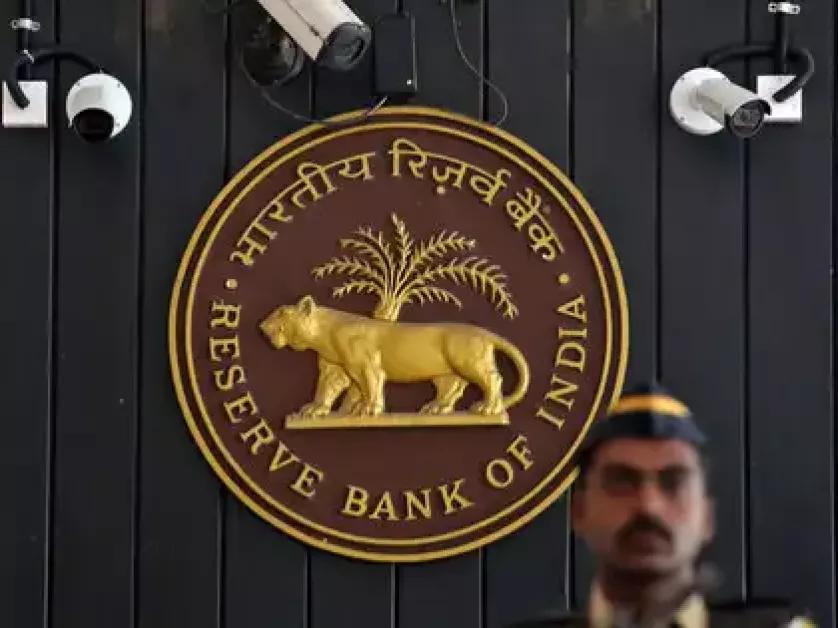
Indian equity markets opened on a strong note as investor sentiment surged following the Reserve Bank of India’s (RBI) surprise decision to cut the repo rate by 50 basis points and the Cash Reserve Ratio (CRR) by 100 basis points. The move, aimed at boosting liquidity and encouraging borrowing, was welcomed by traders and investors alike.
The Nifty 50 index gained 0.43% in early trade, while the BSE Sensex climbed by 0.40%, reflecting optimism over the central bank’s accommodative stance. This policy adjustment comes at a time when global economic conditions are improving, supported by positive U.S. jobs data that signaled a stronger-than-expected rebound in employment.
RBI Governor Shaktikanta Das announced the rate cuts as part of a broader strategy to stimulate domestic demand and stabilize financial markets amid evolving global uncertainties. The 50 bps cut in the repo rate brings it to one of its lowest levels in recent years, signaling the central bank’s readiness to maintain an easing bias.
The 100 bps reduction in CRR is expected to inject significant liquidity into the banking system, allowing banks to lend more freely to sectors in need of capital. Market participants anticipate a pick-up in credit demand, particularly in housing, auto, and MSME segments.
The positive response from the markets reflects confidence that lower borrowing costs will spur consumer spending and business investment. Banking, real estate, and auto stocks were among the top gainers in early trade, as investors priced in improved earnings prospects.
Analysts believe that the RBI’s decisive action will help shield the Indian economy from external headwinds and provide necessary support as inflation trends downward and economic activity picks up. They also caution that future monetary decisions will depend on global crude prices, inflation trajectories, and geopolitical developments.
With the RBI showing its commitment to maintaining financial stability and supporting growth, the markets are likely to continue tracking both domestic data and global cues closely in the days ahead. The latest policy move reaffirms the central bank’s role as a proactive driver of economic recovery in 2025.
 Related News
POST A COMMENT (0)
All Comments (0)
Replies (0)