





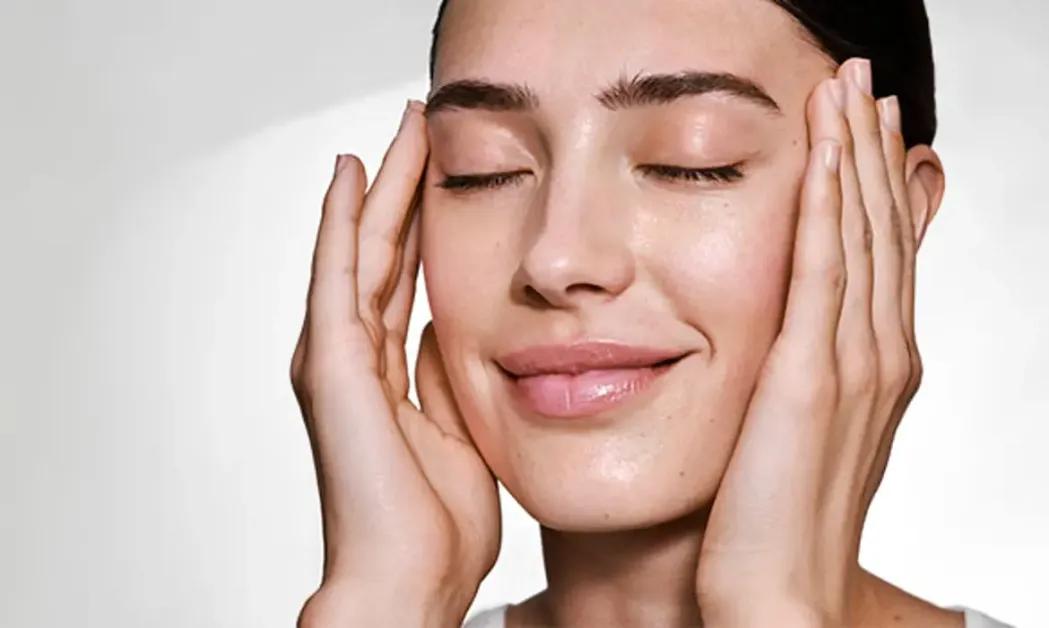
For decades, the beauty industry revolved around color palettes, contour kits, and foundation formulas that promised perfection. But a quiet revolution is underway—one where glass skin, clean routines, and minimalism are taking center stage. As consumers gravitate toward authenticity and health-first aesthetics, skincare is winning the battle for shelf space, mindshare, and cultural relevance.
What’s behind this shift? Why are more people prioritizing their skincare regimen over their makeup stash? The answer lies in a potent mix of generational change, scientific awareness, and the desire for sustainable self-confidence.
1. The Skin-First Movement: Health Over Hiding
Today’s consumers aren’t just chasing beauty—they’re chasing wellness. The rise of terms like “skin barrier,” “microbiome,” and “hydration layers” reflect a public increasingly educated about what their skin needs, not just what it can conceal. Instead of camouflaging imperfections, the new beauty ethos promotes treating the root cause—acne, dullness, dryness—through long-term skincare routines.
This skin-first philosophy celebrates transparent beauty: less about masking, more about maintenance.
2. Pandemic Reset: The Makeup Break That Sparked a Mindset Shift
The COVID-19 pandemic played an unexpected role in reshaping beauty habits. With lockdowns eliminating the need for public appearance, many ditched daily makeup altogether. In its place emerged skincare rituals—soothing, routine-based, and therapeutic. The bare face, once something to be “fixed,” became normalized across Zoom calls and Instagram lives.
This break gave people the time and space to reconnect with their natural appearance—often finding it empowering.
3. Gen Z and the Era of Authenticity
Gen Z, the most influential generation in current beauty trends, places authenticity over perfection. They favor real skin, unfiltered selfies, and brands that promote transparency. This demographic questions airbrushed standards and calls out unrealistic beauty advertising. As a result, they’re driving the popularity of no-makeup makeup looks, or forgoing makeup entirely.
For this generation, glowing skin is a flex—and one best achieved through serums and SPF, not full coverage foundation.
4. The Science Boom Behind Skincare
Skincare has benefited from a science-backed renaissance. Ingredient transparency—think niacinamide, hyaluronic acid, retinol—has empowered consumers to customize their skincare regimens like never before. Knowledge is power, and today’s beauty shoppers want products that do something, not just look good in a palette.
Brands like The Ordinary, Paula’s Choice, and Drunk Elephant have built loyal followings by offering efficacious, ingredient-forward products—making skincare a lifestyle, not just a beauty step.
5. Social Media’s New Role: From Tutorials to Transformations
While social media once championed makeup tutorials, its algorithms now reward before-and-after skin journeys. Influencers share candid, filter-free progress, promoting acne acceptance and rosacea management. This visibility of real skin has radically shifted the beauty narrative.
Moreover, TikTok trends like “skin cycling,” “slugging,” and “glass skin” are pushing users to value skincare consistency over quick cosmetic fixes.
6. Sustainability and Simplification
Minimalism in beauty isn’t just an aesthetic—it’s an environmental choice. Heavy makeup routines with multiple products contribute to waste and overconsumption. In contrast, skincare typically involves fewer, multipurpose products with longer shelf lives. Brands are also innovating with refillable packaging, clean ingredients, and eco-conscious sourcing—winning over eco-aware consumers.
Simplifying routines isn’t just sustainable for the planet—it’s sustainable for time and budget too.
7. Beauty Redefined: From Covering to Caring
Makeup is not disappearing—but its role is being repositioned. No longer the hero of the beauty story, it’s becoming the accent. A well-moisturized face, protected with sunscreen and treated with actives, becomes the ideal canvas—one that may not even need foundation.
This shift speaks to a broader emotional change: from covering what we don’t like to caring for what we have.
Conclusion: Confidence Without Concealer
The modern beauty narrative is not about choosing skincare over makeup—it’s about redefining beauty from the inside out. Today’s consumer is seeking products that make them feel good, not just look good. The rise of skincare dominance is a cultural affirmation: that confidence doesn’t come from a compact, but from comfort in one’s own skin.
The age of bare-faced confidence is here—and it's not going anywhere.
 Related News
POST A COMMENT (0)
All Comments (0)
Replies (0)