





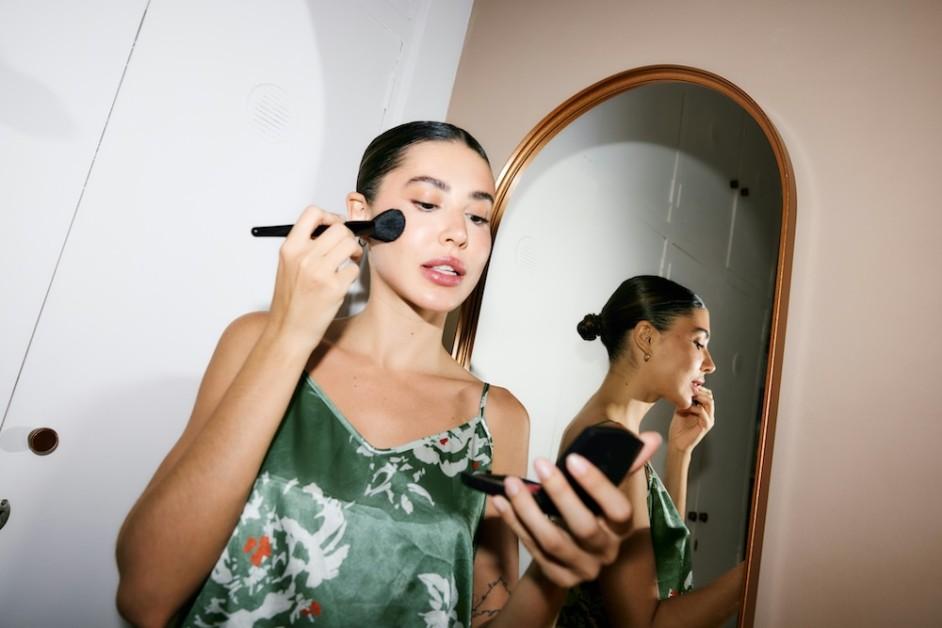
Makeup is more than a beauty tool—it’s a form of self-expression, a shield, and for many, a daily ritual of empowerment. But why do millions of people around the world reach for their foundation, eyeliner, or lipstick every day? Is it purely aesthetic, or does makeup touch deeper psychological layers related to self-worth, identity, and social perception?
Psychologists, sociologists, and beauty theorists have long studied the motivations behind cosmetic use. The findings reveal that makeup is as much about emotion as it is about appearance. From boosting confidence to masking insecurities, the reasons we wear makeup are diverse and deeply rooted.
1. A Tool for Confidence and Control
One of the most cited reasons for using makeup is to boost confidence. Studies have shown that individuals—especially women—feel more self-assured, assertive, and socially equipped when wearing makeup. This phenomenon, often dubbed the “lipstick effect,” refers to the subconscious belief that enhanced appearance improves competence and desirability.
In uncertain environments—such as job interviews, public speaking events, or social outings—makeup serves as armor. The control over one’s appearance translates into a sense of emotional control, reducing anxiety and boosting performance.
2. Enhancing Identity and Self-Expression
For many, makeup isn’t about hiding flaws but expressing identity. Bold eye shadows, unconventional lip colors, and artistic contouring reflect personal style and creativity. The rise of gender-neutral and experimental makeup trends also demonstrates that cosmetics are no longer confined to traditional beauty norms.
People use makeup to feel like the “best version” of themselves—or to create entirely new versions. In this way, makeup becomes a fluid extension of one’s personality, allowing experimentation, reinvention, and transformation.
3. Social Influence and Perception Management
Human beings are wired to care about how others perceive them. Makeup plays a critical role in managing social impressions, especially in appearance-driven societies. Research shows that individuals judged as more “attractive” are often perceived as more competent, friendly, and trustworthy—a phenomenon called the “beauty bias.”
In such environments, makeup becomes a way to level the playing field. It helps individuals feel more socially accepted, respected, or admired, even if that validation is externally driven.
4. Rituals, Routine, and Psychological Safety
The act of applying makeup is often meditative. For many, their morning beauty routine becomes a sacred ritual—a quiet moment of self-focus before the world intrudes. This repetitive, intentional behavior provides emotional regulation and a sense of normalcy.
In times of stress or upheaval, maintaining a makeup routine offers stability. It signals self-care, even when external circumstances feel out of control.
5. Makeup as a Mask: Concealment and Vulnerability
Not all makeup use stems from positive motivations. For some, especially those with acne, scarring, or hyperpigmentation, makeup is a way to conceal perceived flaws. While it can boost confidence, it may also reinforce the idea that one’s natural face is inadequate.
This reliance on makeup can evolve into cosmetic dependency, where individuals feel anxious or “less than” without it. In such cases, beauty becomes a mask—one worn to avoid vulnerability, criticism, or rejection.
6. Cultural and Gendered Expectations
In many societies, women are subtly expected to wear makeup as part of professionalism or social etiquette. These gendered beauty norms can pressure individuals into cosmetic habits that aren’t entirely voluntary.
However, the growing rise of no-makeup movements, skin positivity campaigns, and unfiltered beauty trends is slowly challenging these assumptions. Makeup is no longer obligatory—it is increasingly seen as a choice rather than a mandate.
7. Makeup in Mental Health and Therapy
Interestingly, makeup is also used in therapeutic settings. Cosmetic application is a part of some confidence-building programs for trauma survivors, including individuals recovering from domestic abuse or battling cancer. The act of reclaiming one’s appearance plays a significant role in emotional healing.
In such cases, makeup is less about vanity and more about restoring agency, joy, and self-worth.
Conclusion: Beauty in the Eye, Confidence in the Mind
The psychology of makeup is complex. It’s about performance and protection, but also creativity and care. It has the power to uplift, to conceal, to define, and to defy.
As the world becomes more inclusive and beauty norms evolve, the hope is not to abandon makeup—but to free it from judgment. Whether worn for joy or strength, makeup is ultimately a personal choice—one that reflects the intricate relationship between our outer face and our inner sense of self.
 Related News
POST A COMMENT (0)
All Comments (0)
Replies (0)