





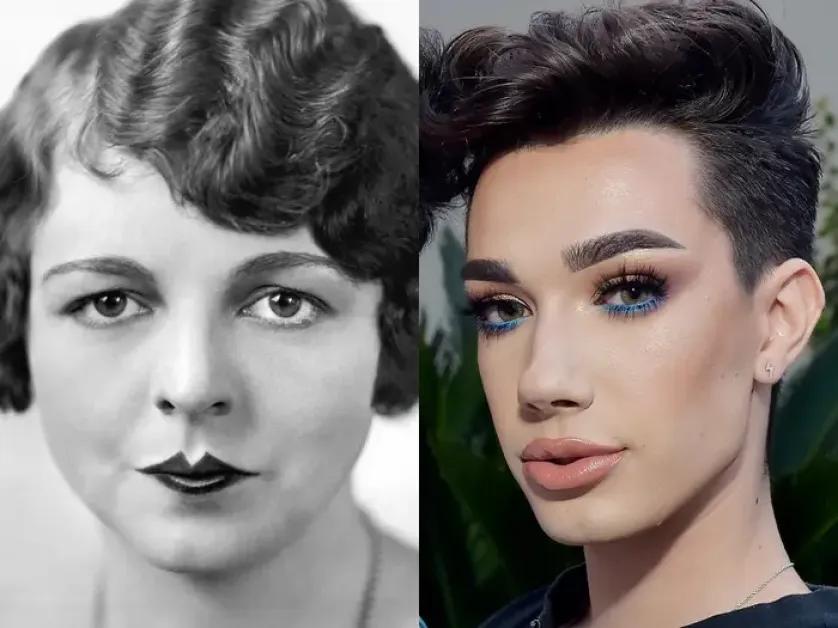
The face—our most expressive canvas—has long been the centerpiece of beauty across civilizations. But what defines a "beautiful face" has never been universal, nor constant. As society, culture, and technology evolve, so do our beauty ideals. From the powdered faces of 18th-century Europe to today’s airbrushed social media aesthetics, the journey of the “ideal face” reveals far more than fashion—it reflects power, identity, and cultural change.
Here’s a look at how facial beauty standards have transformed across different eras and geographies.
Ancient Civilizations: Symmetry and Spiritual Significance
In ancient Egypt, beauty was aligned with symmetry, proportion, and divine balance. High cheekbones, almond-shaped eyes outlined in kohl, and smooth skin were not just aesthetic—they symbolized spiritual harmony. Pharaohs and queens like Cleopatra popularized facial enhancement with natural oils, crushed minerals, and henna.
Meanwhile, in ancient China, a small, delicate face with pale skin and arched eyebrows represented virtue and femininity. The face wasn’t meant to stand out boldly but to express refinement and restraint.
Classical Greece and Rome: Mathematics of Beauty
The Greeks viewed beauty as mathematical perfection. The “Golden Ratio” was believed to define facial attractiveness—think proportional lips, harmonious jawlines, and straight noses. This concept deeply influenced Western art and continues to shape aesthetic standards today.
Roman women, while embracing Greek ideals, added layers of luxury: powdered faces, painted lips, and a preference for light complexions symbolized wealth and social status.
Medieval Europe: Modesty and Mysticism
In medieval Christian Europe, beauty became entwined with piety and humility. A high forehead, thin brows, and pale skin were considered ideal. Women often plucked their hairlines to elongate their foreheads—a symbol of nobility and intellect.
Facial beauty was meant to convey spiritual purity rather than sensuality. The less makeup, the better.
Renaissance to 18th Century: The Rise of Artifice
The Renaissance revived classical ideals but added romanticism and sensuality. Rosy cheeks, plump lips, and glowing skin were back in fashion. Artists like Botticelli captured these features as divine femininity.
By the 18th century, beauty became theatrical. European aristocrats powdered their faces white, applied heavy rouge, and even wore fake beauty spots. These were symbols of status and luxury—signaling one didn’t have to work under the sun.
19th Century: Natural Grace and Victorian Morality
The Victorian era leaned into natural, demure beauty. Porcelain skin, soft features, and modesty defined the ideal face. Heavy cosmetics were considered scandalous, so women used subtle methods like rosewater and beeswax balms to enhance their looks.
A faint blush or naturally flushed cheeks were enough to meet the beauty norms of this deeply moralistic society.
Early 20th Century: Hollywood and Modern Beauty Icons
The 1920s flapper era introduced bold makeup as a form of rebellion—thin brows, dark lips, and kohl eyes became fashionable. Hollywood then took center stage, defining beauty with stars like Marilyn Monroe and Audrey Hepburn: luminous skin, red lips, and symmetrical features.
The 1950s to 1980s saw rapid changes—each decade birthing new ideals. From Twiggy’s androgynous face in the ’60s to Cindy Crawford’s bold features in the ’90s, beauty followed celebrity culture closely.
Late 20th to Early 21st Century: Diversity and Digitalization
As globalization took root, beauty standards diversified. Asian pop culture introduced Korea’s “glass skin” ideal—dewy, poreless, and youthful. India celebrated features like bold eyes and glowing brown skin through Bollywood’s growing influence.
Social media, however, brought a new twist: digital filters and augmented beauty. Apps created a new “Instagram Face”—big eyes, full lips, snatched jawlines, and flawless skin, setting unrealistic yet addictive standards for millions.
Yet, alongside this, movements like body positivity and skin neutrality gained ground, challenging the idea of a singular “ideal.”
The Present and Future: A Fluid Ideal
Today, beauty is more plural than ever. From Zendaya’s multidimensional elegance to Bhumi Pednekar’s earthy charm, the face of beauty is no longer monolithic. Inclusivity campaigns, gender-fluid fashion, and the embrace of natural skin textures are all reshaping our aesthetic compass.
Even cosmetic brands are shifting—from pushing products to promoting self-expression and authenticity.
Conclusion: Faces Tell Stories, Not Just Trends
As we look back through the lens of time, one thing is clear: the ideal face is a mirror—reflecting society’s deepest values, desires, and insecurities. Whether powdered, painted, or pixel-perfect, beauty has always evolved with culture.
And today, as individuality rises above conformity, we may finally be approaching a world where beauty isn't about chasing a standard—but celebrating every face for what it tells, not just how it looks.
 Related News
POST A COMMENT (0)
All Comments (0)
Replies (0)