





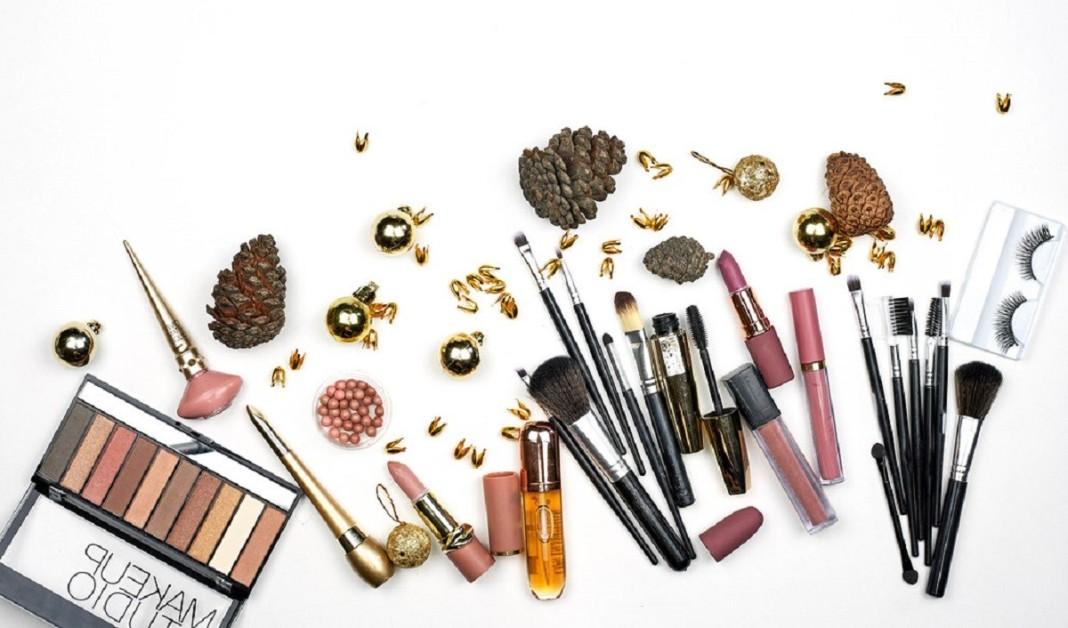
For decades, global beauty powerhouses like L’Oréal, Maybelline, and MAC ruled the Indian cosmetics market with little local competition. But in the last few years, a quiet revolution has taken place—led by homegrown brands like Sugar Cosmetics, Mamaearth, and MyGlamm, Indian companies are not just surviving, they’re thriving. And in many cases, they’re beating the international giants at their own game.
This new generation of Indian beauty brands has rewritten the rules with digitally driven marketing, locally tailored products, and a deep understanding of Indian skin tones, preferences, and price sensitivities.
Sugar Cosmetics: Bold, Modern, and Millennial
Founded in 2015 by Vineeta Singh and Kaushik Mukherjee, Sugar Cosmetics has become a breakout name in India’s makeup industry. With its edgy branding and strong social media presence, Sugar appeals directly to urban, millennial women who value high-performance products in bold colors.
Sugar built its empire online, using Instagram, YouTube, and influencer marketing to build a cult-like following. Today, the brand has moved offline too, with over 45,000 retail outlets and a growing presence in Tier 2 and Tier 3 cities.
Its product lines—ranging from transfer-proof lipsticks to kohl eyeliners designed for Indian eyes—are crafted with Indian skin tones and climates in mind, a major factor in their popularity.
Mamaearth: India’s Clean Beauty Pioneer
When Varun and Ghazal Alagh launched Mamaearth in 2016, they aimed to create India’s first toxin-free baby and personal care brand. But what began as a solution for young parents has turned into one of India’s biggest beauty success stories.
Mamaearth stands out for its natural, chemical-free ingredients, and aggressive use of data-driven D2C marketing. The brand’s popularity skyrocketed thanks to platforms like Amazon, Flipkart, and its own website—offering everything from onion hair oil to vitamin C face washes.
Backed by strong consumer trust and transparent ingredient policies, Mamaearth became the first Indian beauty brand to enter the unicorn club in 2021. Its recent IPO further underlined its dominance and future growth plans across Southeast Asia.
MyGlamm: The Digital-First Beauty Innovator
MyGlamm took a different approach—blending beauty with content. Owned by The Good Glamm Group, MyGlamm grew its user base through content-first platforms like POPxo and ScoopWhoop, converting readers into beauty buyers.
The brand’s USP lies in its affordable pricing, smart packaging, and trendy formulations that appeal to Gen Z. MyGlamm also invested early in hybrid distribution—selling through both e-commerce and physical stores.
With acquisitions of brands like St. Botanica and Sirona, MyGlamm has evolved into a holistic beauty and wellness platform. The result is a formidable challenger that can meet the diverse beauty needs of modern Indian consumers under one umbrella.
Why Indian Brands Are Winning
The success of these brands is not accidental—it’s deeply rooted in their local-first strategy, digital agility, and direct consumer engagement. Here are a few reasons why Indian brands are rising so fast:
-
Understanding Indian Skin and Climate: Global brands often missed the nuances of Indian skin types, shades, and environmental factors. Local brands are designing for real Indian users.
-
Affordability and Accessibility: Indian brands cater to price-sensitive consumers while still offering premium quality.
-
Digital Native DNA: These startups were born in the digital era. Their social media presence, influencer collaborations, and content ecosystems give them a powerful edge.
-
Agile Product Development: Unlike global corporations, Indian brands iterate fast. From trending ingredients to seasonal launches, they respond to demand swiftly.
-
Omnichannel Distribution: Whether it’s Nykaa, Flipkart, or a pharmacy in a small town, Indian brands ensure visibility everywhere.
The Global Future of Indian Beauty
These brands aren’t stopping at Indian borders. Sugar, Mamaearth, and MyGlamm are already eyeing global markets, with growing footprints in Southeast Asia, the Middle East, and even parts of Europe. Their success story is inspiring a wave of new D2C brands like Dot & Key, Pilgrim, Minimalist, and WOW Skin Science—each carving out their niche in the beauty and skincare universe.
The Indian cosmetics market, projected to cross INR 2 lakh crore by 2026, is no longer a playground for global brands alone. With innovative product ranges, inclusive marketing, and relatable branding, Indian cosmetic companies are no longer underdogs—they’re beauty powerhouses in their own right.
 Related News
POST A COMMENT (0)
All Comments (0)
Replies (0)