





U.S. Retail Sales Strong Despite Labor Weakening:
August 2025 Economic Snapshot
The U.S. economy continues to send mixed signals, with August 2025 data showing retail sales rising more than expected, even as the labor market exhibits signs of strain. The figures underscore both the resilience of American consumers and the risks posed by tariffs, inflationary pressures, and slowing job growth.
Retail Sales Beat Expectations
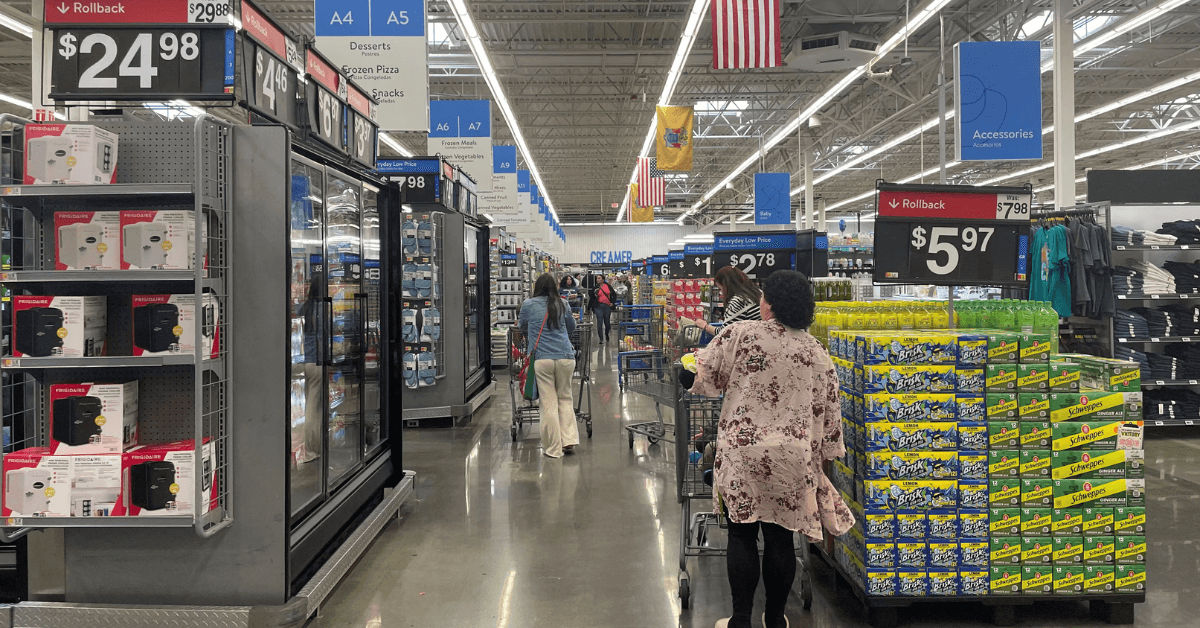
According to preliminary reports, U.S. retail sales in August climbed above market forecasts, marking a continuation of consumer spending strength. Categories such as automobiles, online retail, restaurants, and home improvement products contributed significantly to the gains.
This surge suggests that despite headwinds, American households remain willing to spend. Consumer spending, which accounts for nearly two-thirds of U.S. GDP, continues to serve as the backbone of the economy.
Labor Market Shows Signs of Weakness
In contrast to strong retail activity, the labor market is sending more cautious signals. Hiring has slowed compared to earlier in the year, job openings are narrowing, and wage growth has begun to level off.
Economists point out that while unemployment rates remain historically low, new job creation is tapering, and more workers are reporting reduced hours. These dynamics could eventually weigh on household confidence and spending.
Tariffs and Rising Prices: Clouds on the Horizon
The resilience in retail sales comes at a time when tariffs and trade uncertainties threaten long-term stability. Recent tariff escalations on imports have increased input costs for retailers and manufacturers. As a result, some of these costs are being passed on to consumers, contributing to higher retail prices.
Energy prices, too, have edged upward, adding to inflationary pressures. For middle- and low-income households, these cost increases risk eroding the spending power that has fueled retail sales growth.
Consumer Behavior: Shifting Priorities
Analysts note that consumer spending patterns are evolving in response to inflationary conditions. While spending on essentials such as food and household goods remains strong, there has been a notable increase in spending on discount retailers and budget-friendly product alternatives.
At the same time, categories like travel, luxury retail, and dining have remained surprisingly resilient, suggesting that many households are still prioritizing experiences and lifestyle spending despite economic uncertainty.
Federal Reserve in Focus
The Federal Reserve’s upcoming policy meeting, scheduled for mid-September, is expected to play a pivotal role in shaping the outlook. With a potential 25 basis-point rate cut on the table, markets are closely watching whether the Fed prioritizes stimulating growth or controlling inflation.
For retailers, any monetary easing could help sustain consumer demand, while for households, lower borrowing costs may provide relief on credit cards, mortgages, and auto loans.
Balancing Growth with Risks
The contrast between strong retail sales and a weakening labor market illustrates the complex dynamics facing the U.S. economy. On one hand, consumer spending remains robust enough to sustain growth in the short term. On the other, structural risks such as tariffs, rising prices, and a cooling job market pose potential challenges for the months ahead.
Economists warn that while August’s retail sales data is encouraging, the sustainability of this momentum depends on whether the labor market stabilizes and inflation pressures ease. If household incomes begin to weaken, consumer spending may lose steam, exposing vulnerabilities in the economy.
Conclusion
The August 2025 data reflects an economy at a crossroads. Strong retail sales showcase the resilience of American consumers, but a softening labor market and looming tariff-related risks highlight fragility beneath the surface.
As policymakers, businesses, and households navigate these uncertainties, the balance between spending power and income growth will remain the key determinant of U.S. economic stability in the months ahead.
 Related News
POST A COMMENT (0)
All Comments (0)
Replies (0)