





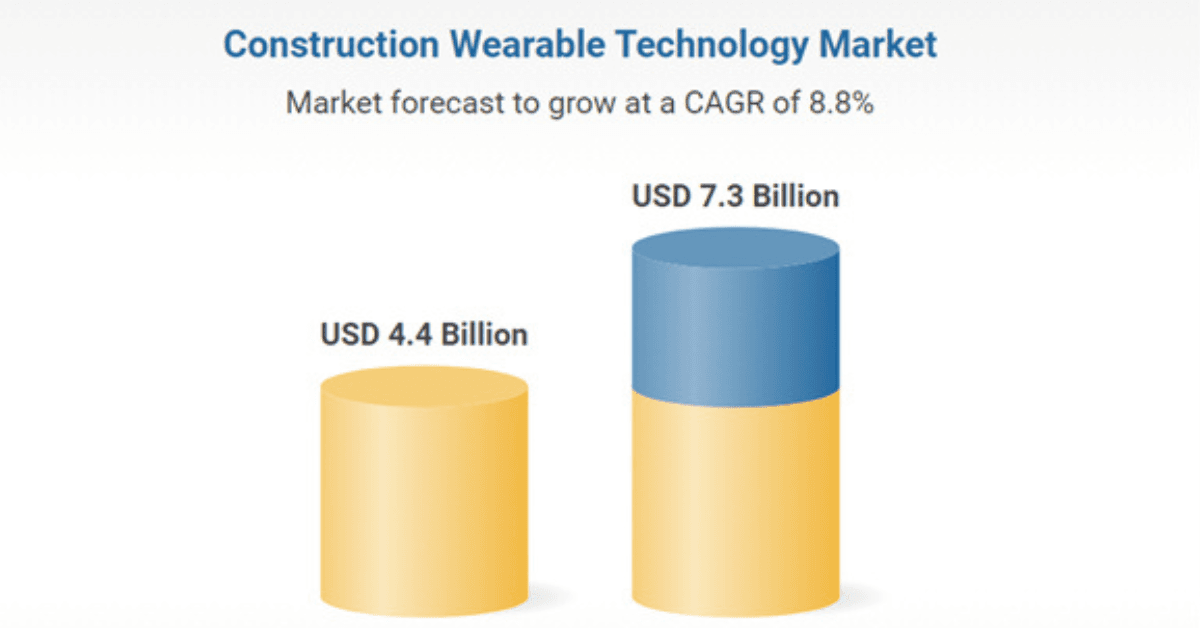
Construction Wearable Tech Market Growth:
Safety, Efficiency, and the SaaS Revolution
The construction industry, traditionally seen as labor-intensive and slow to adopt digital technologies, is undergoing a massive transformation. Among the most promising developments is the rise of wearable technologies, which are redefining safety, productivity, and real-time monitoring on construction sites. Once considered futuristic, devices such as smart helmets, connected vests, biometric sensors, and AR glasses are now being increasingly deployed to protect workers and streamline operations.
At the heart of this surge is the growing demand for safer work environments, combined with the need for efficiency in an industry plagued by cost overruns, delays, and labor shortages. With the integration of Software-as-a-Service (SaaS) platforms, wearable technologies are becoming more affordable and accessible, particularly to mid-size contractors who previously lacked the resources for high-tech adoption.
The Evolution of Wearable Tech in Construction
Wearable technologies in construction are not a brand-new concept. Over the last decade, companies have experimented with smart helmets and location-tracking devices to prevent accidents. However, the early adoption was limited due to high costs and technical complexities.
Today, the situation has changed drastically. With advancements in sensor technology, cloud computing, artificial intelligence (AI), and Internet of Things (IoT) integration, wearable devices have become smarter, lighter, and far more reliable. Modern wearables are capable of collecting real-time data on worker health, environmental conditions, and site performance, feeding this information into centralized SaaS platforms that help managers make informed decisions.
Key Drivers of Market Growth
1. Safety First
Construction is one of the most hazardous industries in the world. From falls and equipment accidents to exposure to hazardous materials, workers face multiple risks daily. Wearables equipped with sensors can detect dangerous situations such as fatigue, abnormal heart rates, or unsafe proximity to heavy machinery. Real-time alerts can prevent accidents before they happen, making safety a core driver of adoption.
2. Productivity and Efficiency
Beyond safety, wearable technologies improve operational efficiency. AR-enabled glasses can guide workers through complex tasks, reducing training time and human error. Smart helmets with integrated communication tools allow for seamless collaboration, even on large and complex sites.
3. Real-Time Monitoring and Data Analytics
Construction sites are highly dynamic, with variables changing every hour. Wearables generate vast amounts of data, from worker movements to environmental conditions. SaaS platforms aggregate and analyze this data, providing real-time dashboards for managers to monitor productivity, safety compliance, and resource allocation.
4. SaaS Accessibility for Mid-Sized Contractors
Previously, only large construction firms could afford to deploy wearable technologies. The rise of SaaS business models has changed the game by lowering upfront costs. Mid-sized contractors can now subscribe to cloud-based wearable solutions, scaling up or down depending on project requirements, thus democratizing access to advanced technologies.
5. Regulatory Push and ESG Considerations
Governments and regulators across the globe are enforcing stricter occupational safety standards. At the same time, companies are under pressure to align with Environmental, Social, and Governance (ESG) goals. Investing in wearable technology demonstrates a commitment to worker safety and sustainability, improving both compliance and brand reputation.
Types of Wearable Technologies in Construction
-
Smart Helmets – Equipped with AR visors, cameras, and communication systems, they enhance situational awareness.
-
Safety Vests and Exoskeletons – Provide visibility and support to reduce strain, prevent musculoskeletal injuries, and improve worker endurance.
-
Biometric Wearables – Wristbands and sensors track vital signs such as heart rate, fatigue, and hydration levels.
-
Location Trackers – Ensure workers and equipment are accounted for in real-time, critical during emergencies.
-
Augmented Reality Glasses – Assist in training, design visualization, and quality checks.
Market Outlook and Investment Trends
According to industry estimates, the global construction wearable technology market is set to witness double-digit growth over the next five years. Major players such as Trimble, Triax Technologies, Guardhat, and DAQRI are leading the charge, while startups are innovating in niche areas such as biometric monitoring and AR integration.
Investment trends also suggest that construction companies are increasingly partnering with technology providers to customize solutions for their needs. Venture capital funding in construction tech startups is also on the rise, underscoring investor confidence in the sector’s growth potential.
Challenges to Widespread Adoption
While the future of wearable tech in construction looks promising, challenges remain:
-
Data Privacy Concerns – Constant monitoring of workers raises questions about data security and personal privacy.
-
Integration Issues – Wearables need to integrate seamlessly with existing project management and construction software.
-
Cost Barriers – Despite SaaS models, some firms still struggle with budget constraints.
-
Worker Resistance – Adoption may face resistance from workers unfamiliar with or skeptical of new technologies.
Case Studies: Real-World Applications
-
Smart Helmets in High-Risk Projects – Large infrastructure projects in the Middle East have adopted AR helmets for real-time instructions, reducing delays significantly.
-
Biometric Tracking in the U.S. – Contractors in the U.S. have used biometric wearables to monitor fatigue, reducing accidents linked to overexertion.
-
Exoskeletons in Asia – Japanese construction firms are experimenting with wearable exoskeletons to combat labor shortages and improve worker efficiency.
The Future of Construction Wearables
Looking ahead, wearable technologies in construction are expected to evolve into even more sophisticated systems. Integration with AI and machine learning will allow predictive analytics, where risks are identified before they manifest. 5G connectivity will enable faster and more reliable real-time communication on large sites. Additionally, blockchain integration may be used for secure data sharing across stakeholders.
The industry is also likely to see the rise of customizable wearables, tailored to specific project requirements or worker needs. As costs continue to decline and awareness of benefits increases, wearable technologies are poised to become a standard part of construction workflows worldwide.
Conclusion
The global construction wearable tech market is not just expanding—it is revolutionizing how construction projects are managed and executed. Safety, efficiency, and real-time monitoring are no longer optional but essential in today’s competitive environment. With the adoption of SaaS models, mid-sized contractors now have unprecedented access to advanced wearable technologies, leveling the playing field.
While challenges such as data privacy and integration hurdles persist, the benefits far outweigh the obstacles. As regulations tighten and ESG considerations gain prominence, wearable technology will become a cornerstone of modern construction practices.
The rise of wearable tech is not merely a technological upgrade—it is a cultural shift in the construction industry, one that places worker safety, operational efficiency, and data-driven decision-making at the forefront.
 Related News
POST A COMMENT (0)
All Comments (0)
Replies (0)