





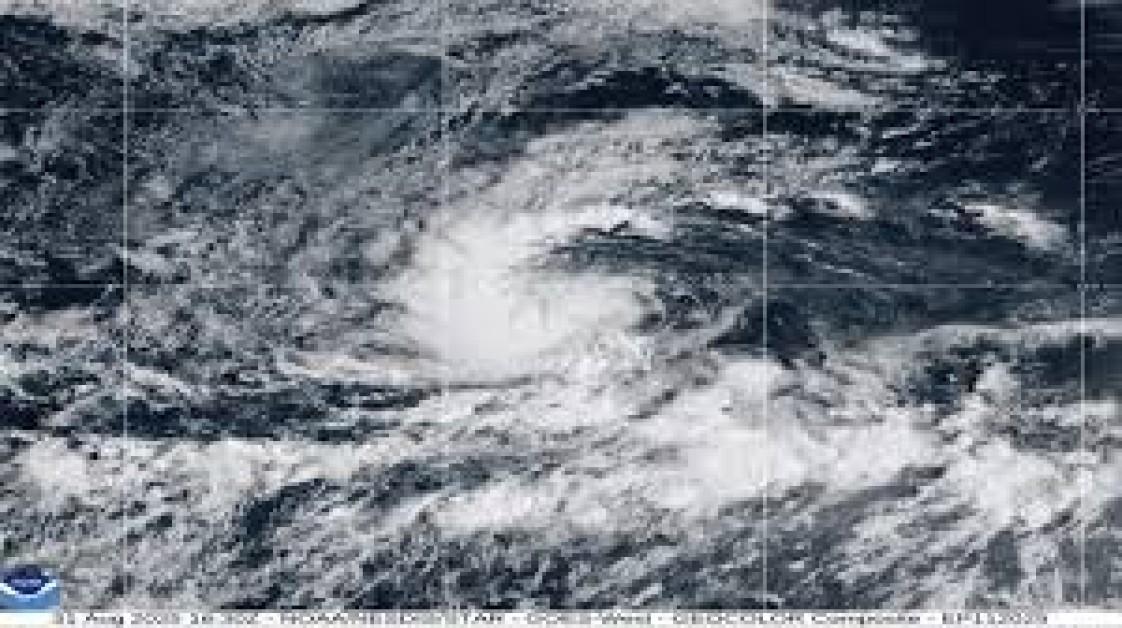
Tropical Storm Kiko Approaches Hawaii
Hawaii is once again bracing for the force of nature as Tropical Storm Kiko makes its closest pass to the islands. While the storm is not expected to make direct landfall, its proximity is already bringing hazardous conditions, particularly along coastal areas. Residents and visitors have been urged to exercise caution as high surf and dangerous rip currents sweep through beaches, testing both safety measures and local preparedness.
Meteorologists tracking Kiko have noted that the storm system developed in the eastern Pacific before moving steadily toward Hawaii. As it gained strength, forecasters issued advisories highlighting the risks of rough seas, heavy rainfall in localized areas, and unpredictable wind patterns. Though the storm’s core remains offshore, the outer bands have been powerful enough to stir the ocean and disrupt normal conditions across Hawaii’s shores.
One of the immediate consequences of Tropical Storm Kiko’s approach has been the rise in surf levels. Beaches that are typically calm have seen waves far higher than usual, with swells reaching several feet above normal. This has created dangerous conditions for swimmers, surfers, and boaters alike. Lifeguards across the islands have issued repeated warnings, advising against entering the water. Despite the clear risks, some thrill-seekers have been spotted attempting to ride the storm-driven waves, drawing concerns from local authorities.
In addition to high surf, rip currents have become a significant hazard. These powerful channels of water flowing away from the shore can sweep swimmers out to sea in seconds, making them one of the deadliest natural risks during storm conditions. Emergency management agencies have reminded the public that rip currents are often invisible from the surface, which makes them particularly dangerous for those unfamiliar with the ocean.
The Hawaii Emergency Management Agency (HI-EMA) has also activated storm monitoring protocols, ensuring that response teams remain on standby. Local officials have emphasized preparedness, advising residents to secure outdoor belongings, avoid unnecessary travel near coastal roads, and remain alert to rapidly changing conditions. Schools and businesses near the shoreline have been asked to exercise caution, though widespread closures have not been announced.
For the tourism industry, which represents a major part of Hawaii’s economy, Tropical Storm Kiko presents both safety and logistical challenges. Visitors unfamiliar with the region’s storm patterns may underestimate the risks, making it crucial for hotels, resorts, and tour operators to communicate safety information clearly. The hospitality sector has coordinated with state agencies to provide guests with updated forecasts and emergency contacts.
Climate scientists point out that storms like Kiko are part of a broader pattern of increasingly active Pacific hurricane seasons. Rising ocean temperatures have been linked to stronger and more unpredictable storm systems, placing Hawaii at greater risk of indirect storm impacts even when direct landfalls remain rare. This raises long-term questions about infrastructure resilience, coastal development, and the ability of local communities to adapt to evolving climate risks.
Despite the dangers, the islands have not reported widespread damage or major disruptions at this stage. Power lines, transportation networks, and essential services remain intact, though utility companies have warned of potential outages if conditions worsen. Emergency shelters are prepared to open should the situation escalate, but officials remain cautiously optimistic that Kiko will pass without severe consequences.
The storm has also become a moment of reflection for communities accustomed to living with natural hazards. For many in Hawaii, preparedness is a way of life, with hurricane kits, evacuation routes, and local traditions of community support serving as vital tools in times of uncertainty. Elders and long-term residents often share stories of past storms, reinforcing the importance of vigilance and respect for nature.
As Tropical Storm Kiko completes its closest approach, forecasters expect conditions to gradually improve in the coming days. However, lingering high surf and rip currents will remain a threat until the system moves further away into the Pacific. Authorities stress that even after the storm passes, the ocean can remain hazardous for several days.
In the end, Tropical Storm Kiko serves as a reminder of Hawaii’s vulnerability to the Pacific’s powerful forces. While the islands may be spared from direct landfall, the storm’s impact is still felt through dangerous waters, disrupted routines, and heightened awareness of the natural balance that defines life in the middle of the ocean.
 Related News
POST A COMMENT (0)
All Comments (0)
Replies (0)