





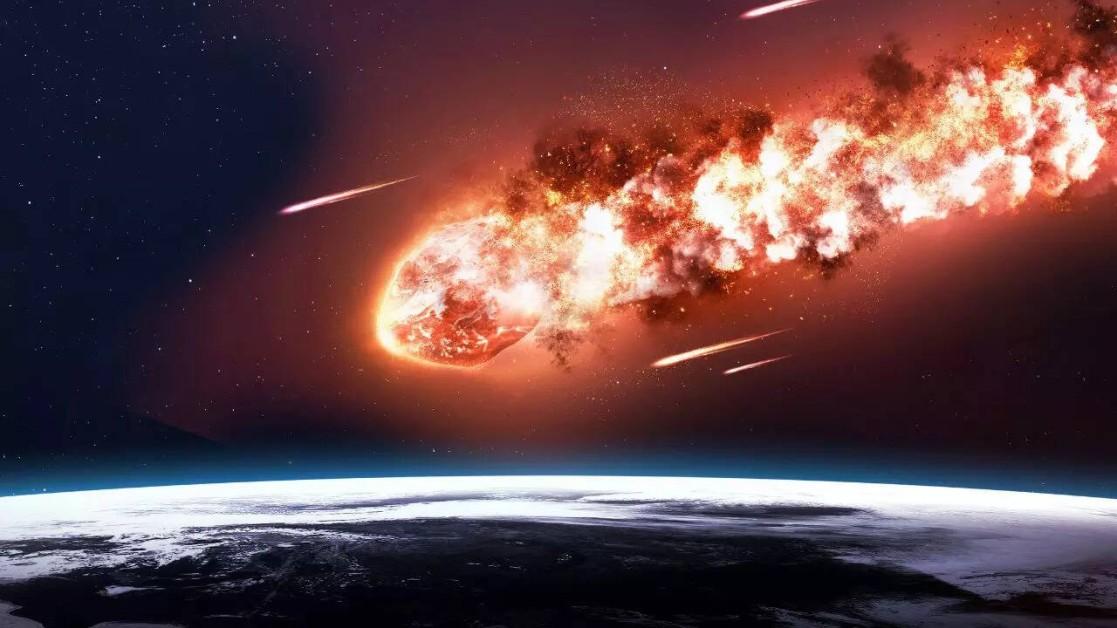
Asteroid 2025 QV9 to Safely Fly Past Earth on September 10
NASA has confirmed that asteroid 2025 QV9, measuring approximately 100 feet in diameter, will make a close approach to Earth on September 10. The asteroid, moving at an extraordinary speed of over 10,000 miles per hour, has attracted attention worldwide due to its size and speed.
Despite public curiosity and speculation, scientists have assured that there is no threat of collision. NASA’s Center for Near-Earth Object Studies (CNEOS) has tracked the asteroid’s path, confirming it will pass at a safe distance far from Earth.
Asteroid flybys are not uncommon, but they provide important opportunities for research. By studying the composition, movement, and reflectivity of asteroids like QV9, scientists can gather critical data that may one day help protect Earth from potentially hazardous space rocks. This research is part of larger efforts to improve planetary defense strategies, including missions such as NASA’s DART experiment, which successfully altered the path of a smaller asteroid in 2022.
The public fascination with space has grown in recent years, fueled by successful missions such as India’s Chandrayaan-3 lunar landing and advancements in Mars exploration. Events like the QV9 flyby remind us of the constant motion of celestial objects and Earth’s place in a dynamic solar system.
While this flyby poses no risk, scientists remain vigilant. NASA and international space agencies continue to monitor thousands of near-Earth objects, ensuring that any real threats are detected early. For now, September 10 promises a moment of excitement for skywatchers and a chance for science to look deeper into the mysteries of our cosmic neighborhood.
 Related News
POST A COMMENT (0)
All Comments (0)
Replies (0)