





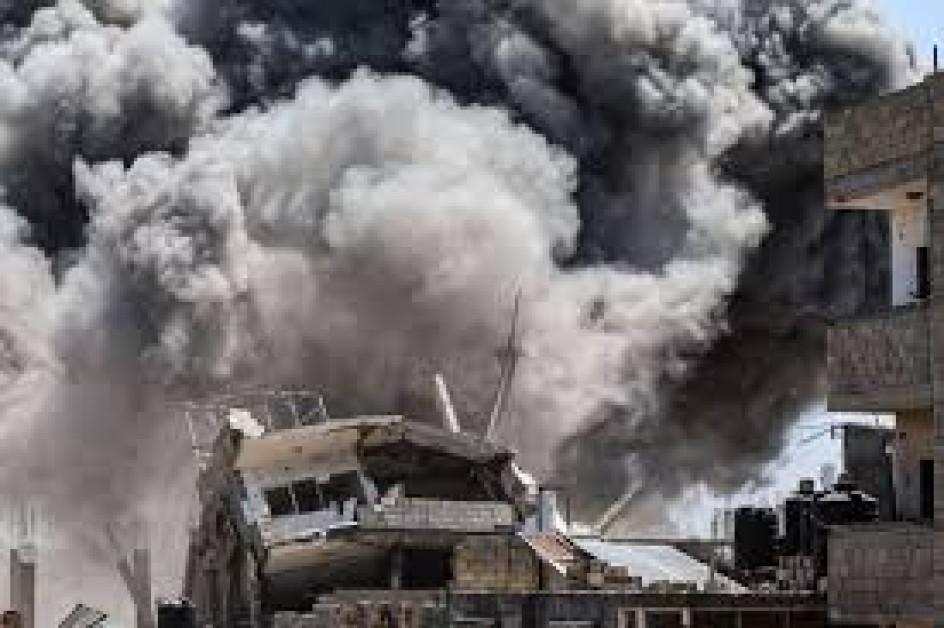
The long-standing conflict between Israel and Palestine has entered another phase of escalation as Israeli forces intensified their bombardment of Gaza City. The airstrikes, which targeted multiple high-rise buildings, have already left at least 35 people dead and many more injured. The attacks have forced thousands of civilians to flee their homes, further deepening the humanitarian crisis in the region.
According to military officials, the Israeli strikes were directed at what they described as militant positions and infrastructure embedded within civilian areas. However, the scale of destruction has sparked outrage and concern among international observers, who note that many of the bombed structures were residential or commercial buildings housing families and businesses.
Residents of Gaza reported chaotic scenes as entire neighborhoods were reduced to rubble, with emergency services struggling to reach victims trapped under debris. Hospitals, already stretched thin due to shortages of medical supplies, have been overwhelmed by the influx of casualties. Humanitarian organizations warn that the situation could worsen rapidly if hostilities continue without intervention.
The Israeli government has defended the bombardment as a necessary response to rocket attacks launched from Gaza. Officials stated that the strikes are aimed at dismantling the military capabilities of Hamas and other militant groups. Civilians in Gaza, however, remain caught in the crossfire, with many describing the bombardment as one of the most intense in recent years.
International reaction has been swift, with global leaders and organizations calling for restraint and immediate de-escalation. The United Nations has urged both parties to cease hostilities and prioritize dialogue to prevent further loss of civilian lives. Several nations have expressed concern over the humanitarian toll and warned that the situation risks spiraling into a broader regional conflict.
This escalation adds to the cycle of violence that has plagued the region for decades. For the people of Gaza, the airstrikes have reignited fears of prolonged displacement, loss of livelihood, and further erosion of basic living conditions. Electricity outages, water shortages, and disrupted supply chains have compounded the suffering of civilians already living under blockade and economic hardship.
For Israel, the bombardment reflects a strategic decision to weaken militant networks and assert control in response to security threats. Yet the international community remains deeply divided over the use of overwhelming force, with some nations backing Israel’s right to defend itself and others condemning the disproportionate impact on Palestinian civilians.
As tensions rise, both sides appear far from reconciliation. Diplomatic channels have so far failed to secure meaningful ceasefire agreements, raising concerns that the conflict could expand further. Analysts warn that without immediate efforts toward de-escalation, the situation could trigger wider instability across the Middle East.
In conclusion, Israel’s intensified bombardment of Gaza City, with at least 35 fatalities already reported, highlights the tragic human cost of the conflict. As civilians are urged to flee and entire neighborhoods are destroyed, the urgent need for diplomatic intervention and humanitarian aid has never been greater. The coming days will be critical in determining whether this escalation leads to further bloodshed or opens the door for renewed calls for peace.
 Related News
POST A COMMENT (0)
All Comments (0)
Replies (0)