





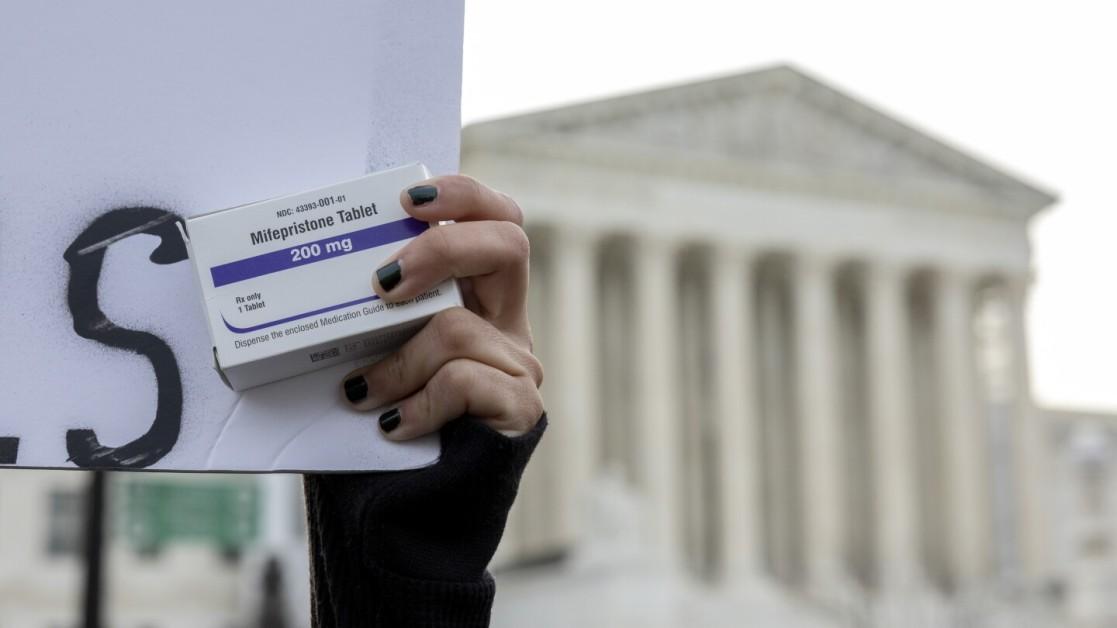
Texas has once again thrust itself into the center of America’s reproductive rights debate with the passage of a new measure allowing private citizens to sue providers and distributors of abortion pills. This legal milestone reflects a growing trend of restrictive abortion policies in the state, building on earlier legislation that empowered citizens to take legal action against those who facilitate abortions after six weeks of pregnancy. The move signals both a continuation of Texas’s hardline stance on abortion and a preview of how the post-Roe v. Wade era is shaping reproductive healthcare access across the nation.
The law’s core mechanism mirrors the controversial strategy deployed in Senate Bill 8, Texas’s so-called “heartbeat law,” which deputized private citizens to enforce abortion restrictions instead of relying on state officials. By extending this legal tool to medication abortion, Texas is effectively broadening its reach to target one of the most common methods of terminating early pregnancies. Abortion pills, including mifepristone and misoprostol, have become increasingly significant in the abortion landscape, especially after the Supreme Court overturned Roe in 2022. With more than half of abortions in the U.S. now occurring through medication rather than surgical procedures, Texas’s new law strikes directly at the heart of reproductive access.
The legislation comes at a time of heated national debate over abortion pills, with the U.S. Supreme Court already hearing challenges related to federal regulation of mifepristone. Supporters of the Texas law argue that it represents a necessary step to protect unborn life and prevent what they see as a dangerous proliferation of abortion drugs. They emphasize that these pills are often obtained through mail-order pharmacies and telehealth providers, raising questions about oversight and safety. Critics, however, contend that the law is another example of Texas overstepping into personal healthcare decisions, criminalizing providers, and fostering a culture of surveillance where neighbors and acquaintances can bring costly lawsuits.
For women in Texas, the practical consequences could be severe. Medication abortion has long been a critical option for those unable to access clinics, especially in rural areas where surgical providers are scarce. By targeting providers and distributors, the law could effectively push abortion pills underground, forcing women to seek unsafe alternatives or travel across state lines at significant expense. Healthcare professionals warn that such restrictions do not stop abortions from happening; instead, they make them riskier and more inequitable, disproportionately affecting low-income women and communities of color.
Beyond Texas, the ripple effects of this measure may be profound. Other conservative-led states are closely monitoring the outcome and may adopt similar strategies if the law withstands expected legal challenges. In this sense, Texas continues to serve as a testing ground for new anti-abortion policies, setting precedents that influence the broader national landscape. The state’s reliance on civil enforcement through private lawsuits also represents a strategic maneuver designed to circumvent traditional constitutional challenges, as courts have sometimes struggled to rule on laws that lack direct government enforcement.
The political dimension of this move is equally significant. Republican lawmakers in Texas view the legislation as a way to strengthen their credibility with pro-life constituents ahead of upcoming elections, while Democrats and reproductive rights advocates are mobilizing to highlight the human cost of such policies. Nationally, abortion remains a deeply polarizing issue, and measures like this sharpen the divide between states that expand access and those that restrict it. The Biden administration has already expressed concern about the growing patchwork of abortion laws, warning that inconsistent state policies could create confusion and undermine national healthcare standards.
Amid these legal and political battles, the voices of women directly affected are often drowned out. Advocacy groups have pointed to the chilling effect of citizen-enforced lawsuits, where even the suspicion of providing abortion pills could result in financial ruin. This environment fosters fear among patients and providers alike, discouraging open conversations about reproductive health. For many Texans, the law represents not just a restriction on abortion access, but also an erosion of privacy and trust in their communities.
In the months ahead, the law is likely to face significant judicial scrutiny, as opponents challenge its constitutionality and potential conflicts with federal regulations governing medication abortion. The outcome will be closely watched by activists, lawmakers, and courts nationwide, as it may determine whether this model of citizen enforcement becomes a dominant feature of abortion policy in the post-Roe era.
Ultimately, Texas’s decision to allow citizens to sue abortion-pill providers marks a new chapter in the state’s battle over reproductive rights. It underscores the evolving nature of abortion restrictions, shifting focus from clinics to pills, from doctors to distributors, and from government enforcement to private lawsuits. The law highlights the deep ideological divisions in American society and raises fundamental questions about the balance between individual rights, state power, and public health. Whether celebrated as a victory for the pro-life movement or condemned as an assault on women’s autonomy, the measure leaves no doubt that the fight over abortion in the United States is far from over.
 Related News
POST A COMMENT (0)
All Comments (0)
Replies (0)