





Modi Announces Next-Generation GST Reforms,
Tax Relief for Essentials and MSMEs
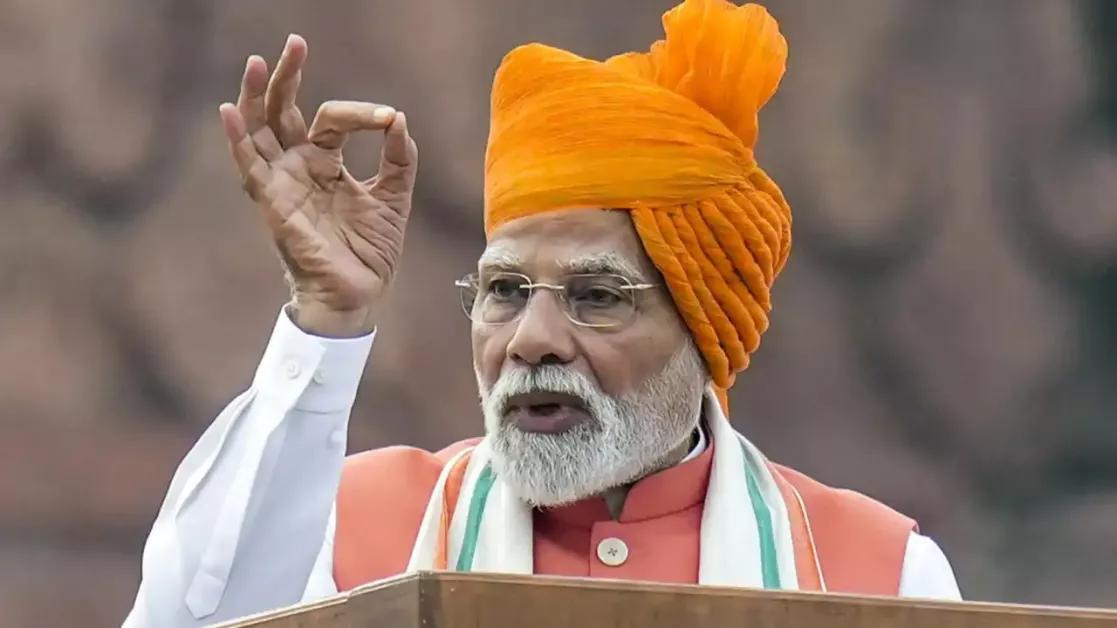
Prime Minister Narendra Modi has unveiled a sweeping plan for next-generation Goods and Services Tax (GST) reforms, aimed at delivering substantial relief to households and small businesses. The announcement, made during a public address, was framed as a “Diwali gift” to citizens, reflecting the government’s intent to address inflationary pressures and stimulate economic activity ahead of the festive season.
Focus on Everyday Essentials
A key highlight of the reform package is the slashing of GST rates on essential commodities, including staple food items, household necessities, and select healthcare products. Officials noted that these adjustments are designed to ease the cost-of-living burden for millions of families.
Products likely to see reduced GST rates include:
-
Basic food grains and edible oils
-
Packaged milk and dairy products
-
Hygiene and sanitary items
-
Medicines for chronic ailments
By lowering taxes on these essentials, the government aims to boost consumer purchasing power while keeping inflation under control.
Boost for MSMEs
Micro, Small, and Medium Enterprises (MSMEs) stand to gain significantly under the new reforms. Modi announced measures that will:
-
Raise the GST registration threshold, reducing compliance requirements for smaller firms.
-
Introduce simplified quarterly return filings for eligible businesses.
-
Provide instant GST refunds for exporters to enhance liquidity.
The government hopes these moves will encourage MSME growth, drive job creation, and increase competitiveness in both domestic and global markets.
Structural GST Changes
The “next-generation” aspect of the reforms will involve structural changes to the GST framework, including:
-
Consolidation of tax slabs to make the system simpler and more predictable.
-
A new digital compliance portal aimed at reducing paperwork and improving transparency.
-
Expansion of the GST Council’s consultative process with industry stakeholders.
Finance Ministry sources revealed that an inter-ministerial task force is already at work to finalize the revised GST architecture, which could be rolled out in phases starting early 2026.
Economic and Political Context
The reforms come at a time when India’s economy is showing resilience but grappling with inflationary pressures in food and energy. With national elections on the horizon, the GST relief measures are widely seen as part of a broader politico-economic strategy to win voter confidence.
Industry leaders have welcomed the move, with several trade associations calling it a long-overdue recalibration of India’s indirect tax system. Economists, however, cautioned that the revenue impact on state governments will need to be addressed through compensatory mechanisms to prevent fiscal stress.
Implementation Timeline
According to government officials, the first phase—covering GST rate cuts on essentials—could take effect within the next two months, while MSME-friendly compliance reforms are expected by the end of the fiscal year. The structural tax slab consolidation may require longer parliamentary deliberation and GST Council approval.
Public Reception
Social media reactions have been largely positive, with citizens praising the move as “timely” and “festive season-friendly”. However, some critics questioned whether the reforms go far enough to address systemic GST issues, such as inverted duty structures and cross-state compliance complexities.
If fully implemented as outlined, the reforms could reshape India’s tax landscape, making it more business-friendly and consumer-oriented—while giving the ruling government a powerful talking point during the upcoming election campaign.
 Related News
POST A COMMENT (0)
All Comments (0)
Replies (0)