





Introduction
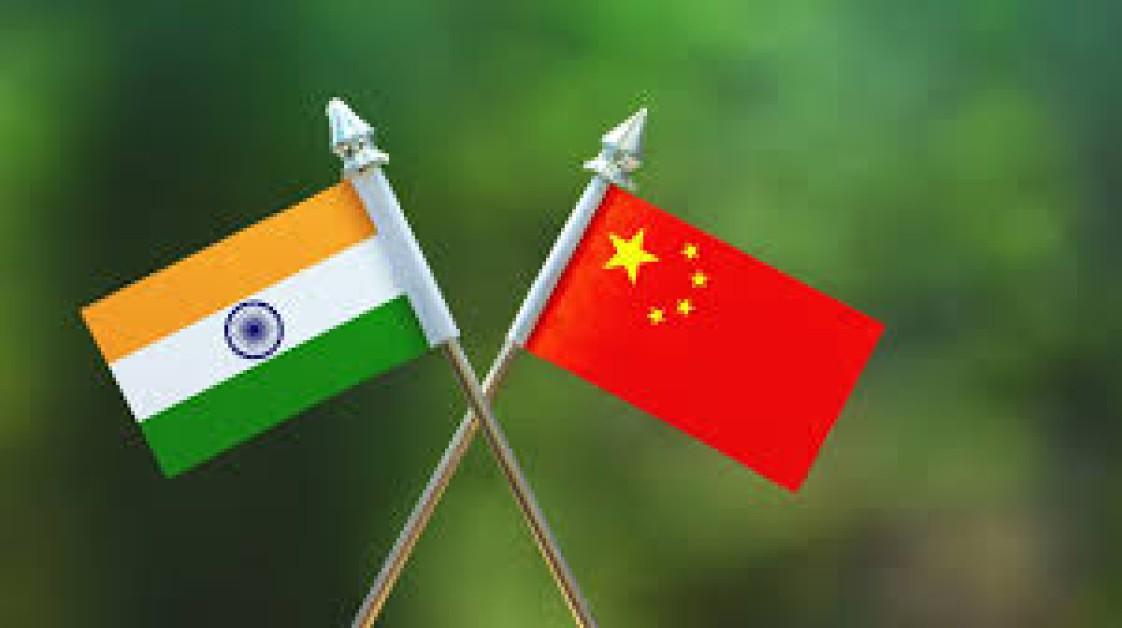
India and China, the two largest nations in Asia with rich cultural histories and robust economies, have shared a complex relationship marked by both cooperation and conflict. While their economies are deeply interconnected in global trade, their bilateral relationship has faced serious challenges in recent years due to border disputes, strategic competition, and geopolitical rivalries. Now, in a significant diplomatic development, both nations are in active talks to revive cross-border trade that has been suspended for over five years.
This prospective reopening of trade routes is not merely an economic gesture—it holds symbolic and strategic importance. It signals a possible thaw in relations after years of heightened tensions following the Galwan Valley clash in 2020, and offers opportunities for regional economic integration. If successful, it could restore commerce that once benefited border communities, promoted cultural exchange, and strengthened mutual economic interests.
Historical Background of India–China Border Trade
Trade between India and China along their shared borders is not a new phenomenon—it dates back centuries. Historically, traders from Tibet, Ladakh, and other Himalayan regions exchanged goods such as wool, salt, tea, spices, medicinal herbs, and handicrafts. The famous Silk Route and various Himalayan passes facilitated these exchanges, making border trade a vital part of local economies.
In the modern era, formal agreements between the two countries institutionalized cross-border trade through specific routes such as:
-
Nathu La Pass in Sikkim, which re-opened in 2006 after being closed for decades following the 1962 India–China war.
-
Shipki La Pass in Himachal Pradesh, which served as another important commercial gateway.
-
Lipulekh Pass in Uttarakhand, historically used for trade with Tibet.
These routes were not just commercial arteries—they also helped maintain people-to-people contact and cultural ties between communities living along the borders.
The 2019 Suspension and its Causes
Despite the potential benefits of border trade, geopolitical tensions have repeatedly disrupted it. The most recent suspension occurred over five years ago, in 2019. Several factors contributed to this halt:
-
Heightened Security Concerns – The Indian government cited concerns over the movement of goods and people across sensitive border areas.
-
Border Disputes and Military Standoffs – The relationship deteriorated sharply after a series of military confrontations, culminating in the Galwan Valley incident in June 2020, which left 20 Indian soldiers and an undisclosed number of Chinese soldiers dead.
-
Trade Imbalance Concerns – Indian industries were increasingly vocal about the rising trade deficit with China, which was reflected even in cross-border trade figures.
-
COVID-19 Pandemic – The outbreak of COVID-19 in early 2020 led to strict border closures and further delayed any revival of trade.
Significance of Resuming Border Trade
If the current talks succeed, the revival of cross-border trade would carry multiple benefits for both nations:
-
Economic Growth for Border Regions – The reopening of trade routes could bring fresh economic opportunities to remote Himalayan towns and villages.
-
Symbolic Thaw in Relations – Trade can serve as a confidence-building measure, signaling that both countries are willing to manage disputes while cooperating economically.
-
Diversification of Trade Channels – With global supply chains under stress, regional trade partnerships are becoming increasingly important.
-
Boost to Small Businesses – Many local traders, artisans, and transport workers stand to benefit directly from increased commercial activity.
Key Discussion Points in the Negotiations
The ongoing India–China talks are focusing on several critical issues:
-
Trade Route Selection – Authorities are reviewing which specific border passes can be reopened for commerce while ensuring security.
-
Customs and Security Protocols – Both sides are working on enhanced inspection measures to prevent smuggling and illegal trade.
-
Product Lists – Negotiations include deciding which goods will be allowed for export and import, with a focus on domestic products from both countries.
-
Trade Volume Limits – To maintain balance, caps on trade volume and specific quotas for certain products may be introduced.
-
Conflict Resolution Mechanisms – Establishing clear channels for resolving disputes arising from border trade operations.
Challenges to the Revival of Border Trade
While the talks signal optimism, there are significant challenges:
-
Lingering Political Tensions – Diplomatic relations remain fragile, and renewed border incidents could derail progress.
-
Trade Imbalance Risks – India remains cautious about the possibility of cheap Chinese goods flooding its markets.
-
Infrastructure Limitations – Many border trade routes lack modern facilities, making large-scale commerce difficult.
-
Security Concerns – Border areas remain sensitive, and authorities must ensure trade does not compromise national security.
Impact on Bilateral Relations
The resumption of border trade could improve diplomatic engagement between India and China, creating opportunities for cooperation in other sectors such as tourism, cultural exchange, and infrastructure development. However, experts caution that economic engagement alone may not resolve deep-rooted political differences.
Perspectives from Experts and Analysts
Economic analysts see this move as part of a broader pragmatic diplomacy approach, where both nations set aside certain disputes to advance mutual economic interests. Trade experts argue that resuming border commerce can serve as a stabilizing factor, much like India’s approach with other neighbors. Strategic experts, however, warn that without addressing underlying military tensions, trade could be disrupted again.
Potential Economic Gains
Estimates suggest that resuming even limited cross-border trade could generate millions of dollars in revenue annually, benefiting local economies directly. Goods such as agricultural produce, handicrafts, garments, and processed foods could find new markets, while China could export items like electronics, household goods, and industrial equipment.
Global Context
This development is taking place at a time when global geopolitics is undergoing a significant shift. Countries are rethinking their trade dependencies, regional partnerships, and supply chain strategies. India’s willingness to explore renewed trade with China reflects a balancing act between economic pragmatism and strategic caution.
Future Outlook
If successful, this initiative could pave the way for broader economic collaboration, including joint infrastructure projects, tourism exchange programs, and expanded market access for specific goods. The talks will likely continue over the coming months, with phased reopening of trade routes being the most probable approach.
Conclusion
The potential revival of India–China border trade after a five-year hiatus is a notable step toward rebuilding economic engagement between two of Asia’s largest powers. While the path ahead is fraught with challenges, the willingness to engage in dialogue itself marks a shift from confrontation to cautious cooperation. For border communities, traders, and small businesses, this could mean renewed livelihoods and stronger cultural ties. For policymakers, it represents an opportunity to demonstrate that diplomacy and commerce can coexist even amid strategic rivalries.
 Related News
POST A COMMENT (0)
All Comments (0)
Replies (0)