





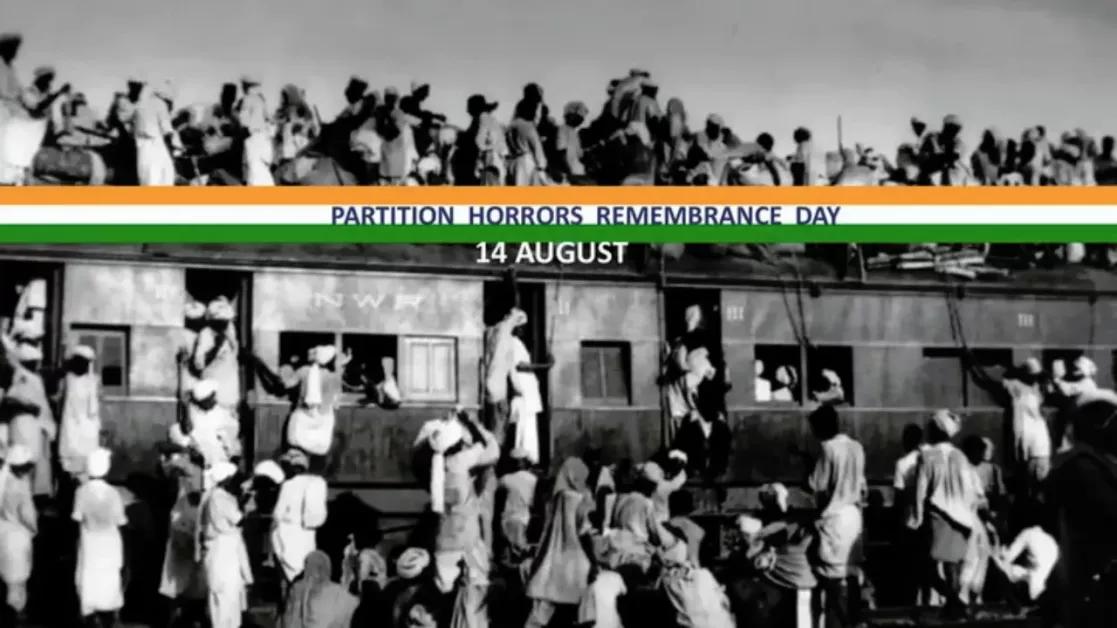
Maharashtra Declares August 14 as Partition
Horrors Remembrance Day
The Government of Maharashtra has officially designated August 14 as Partition Horrors Remembrance Day, a solemn occasion to honour the victims of the traumatic Partition of India in 1947. This decision not only reflects the state’s acknowledgment of the historical pain and resilience of its people but also aligns with the nationwide effort to preserve the memory of one of the most defining and tragic events in India’s history. Educational institutions across Maharashtra have been directed to organize special sessions during the “zero period” on this day, aiming to instill the values of unity, compassion, and national harmony among the youth.
This move by Maharashtra holds deep symbolic and cultural significance, as it seeks to ensure that the lessons of the past are never forgotten. The observance is also intended to act as a unifying force, bridging generations and reminding citizens of the cost of division and the power of reconciliation.
Introduction: A Date Etched in History
August 14, 1947, marked the eve of India’s independence from British colonial rule, but it also carried the pain of division—the Partition that led to the creation of Pakistan. It was a turning point that came at the cost of immense human suffering. Families were uprooted, millions were displaced, and communal violence claimed countless lives. The scars of Partition remain embedded in the subcontinent’s history.
By declaring August 14 as Partition Horrors Remembrance Day, Maharashtra aims to provide a platform for reflection, empathy, and learning. This decision is part of a broader national framework, with the Union Government having earlier recognized this day to keep alive the memories of those who suffered and to prevent such tragedies from occurring in the future.
Early Historical Context of the Partition
To understand the importance of Maharashtra’s decision, one must revisit the events that led to Partition. The political climate in the early 1940s was marked by growing communal tensions between Hindus and Muslims, fueled by years of colonial policies that emphasized differences rather than unity. The demand for a separate Muslim homeland gained momentum under the leadership of Muhammad Ali Jinnah and the Muslim League, eventually leading to the acceptance of Partition as a political solution.
On the midnight of August 14–15, 1947, India was declared independent, and Pakistan was born. The division was accompanied by unprecedented mass migration, with Hindus and Sikhs moving from Pakistan to India, and Muslims moving from India to Pakistan. It was the largest migration in human history, with an estimated 10 to 15 million people displaced.
The Partition’s Impact on Maharashtra
While the geographical division occurred in the north, its impact rippled across the country, including Maharashtra. The state, especially Mumbai (then Bombay), became a hub for refugees who had fled violence and persecution in the Punjab and Sindh regions. Communities were reshaped as refugees integrated into the local culture, contributing to the city’s cosmopolitan identity.
The economic and cultural fabric of Maharashtra was influenced by these migrants, many of whom brought with them skills, traditions, and entrepreneurial spirit. At the same time, the emotional trauma of leaving behind homes, lands, and loved ones left a permanent mark on the survivors and their descendants.
Government Decision and Implementation
The Maharashtra government’s decision to designate August 14 as Partition Horrors Remembrance Day follows the central government’s earlier initiative. The official circular issued by the state directs educational institutions to observe the day by conducting lectures, exhibitions, and interactive sessions during the “zero period.” The aim is to ensure that younger generations, many of whom may not have a direct connection to the events of 1947, understand the magnitude of the Partition’s human cost.
The day will also see cultural programs, remembrance ceremonies, and public messages from leaders emphasizing national unity. This decision is part of a broader narrative that seeks to highlight historical truth while fostering reconciliation.
Educational Institutions’ Role
Education plays a vital role in shaping the collective memory of a society. The Maharashtra government has made it clear that schools and colleges are central to the observance of Partition Horrors Remembrance Day. During the “zero period,” institutions are expected to:
-
Conduct special assemblies focusing on Partition history.
-
Invite survivors or descendants to share firsthand or inherited experiences.
-
Showcase documentaries and films that depict the reality of 1947.
-
Organize essay-writing and art competitions on the theme of unity and harmony.
-
Facilitate discussions that connect historical events to modern-day challenges in maintaining peace.
By incorporating these activities into the observance, the government hopes to ensure that the lessons of Partition become a living part of students’ moral and civic education.
National Context and Alignment
Prime Minister Narendra Modi had earlier declared August 14 as Partition Horrors Remembrance Day at the national level in 2021. The aim was to remind the nation of the pain of Partition and to inspire unity among citizens. Maharashtra’s decision to adopt and institutionalize this observance shows a commitment to reinforcing the national narrative while adapting it to the state’s unique historical and cultural context.
The day is not just about mourning; it is also about acknowledging resilience. Despite the tragedy, millions rebuilt their lives, contributed to India’s growth, and preserved their cultural heritage.
The Human Stories Behind the History
While statistics and political decisions dominate historical accounts, the true essence of the Partition lies in personal stories. Families torn apart, children lost, friendships severed—all reflect the human cost of political decisions. In Maharashtra, there are countless tales of migrants who arrived with nothing but determination, eventually becoming integral to the state’s social and economic fabric.
Documenting these stories is an important part of the remembrance initiative. Oral histories, memoirs, and recorded interviews can give future generations a deeper, more personal understanding of what happened in 1947.
The Cultural Significance of the Day
Maharashtra’s recognition of this day also opens up opportunities for cultural remembrance through:
-
Art and Literature: Encouraging creative expressions that capture the emotions of displacement, loss, and hope.
-
Theatre Performances: Showcasing plays that depict Partition stories, both tragic and inspiring.
-
Film Screenings: Highlighting cinema that portrays the human side of Partition.
-
Exhibitions: Displaying photographs, letters, and belongings of refugees.
These cultural activities can deepen public engagement and make the history more accessible, especially to younger audiences.
Partition and the Modern Relevance
While Partition is a historical event, its relevance today cannot be overstated. Communal harmony, refugee rights, border disputes, and national unity are all contemporary issues with roots in the past. Observing Partition Horrors Remembrance Day is a reminder that division and hatred lead to destruction, while dialogue and empathy pave the way for peace.
In an increasingly interconnected but polarized world, Maharashtra’s initiative stands as a call for unity and mutual respect among communities.
Criticism and Challenges
Despite the noble intentions, such observances can also attract criticism. Some fear that revisiting Partition could reopen old wounds or be misused for political agendas. There are also challenges in ensuring that the day is observed in a balanced, inclusive manner, focusing on unity rather than blame.
To address these concerns, the Maharashtra government has emphasized educational and cultural engagement rather than political rhetoric. The aim is to promote healing and awareness, not division.
Legacy and Long-Term Impact
If observed consistently and meaningfully, Partition Horrors Remembrance Day could become a fixture in Maharashtra’s civic calendar. It has the potential to:
-
Foster historical literacy among the youth.
-
Encourage empathy and cross-cultural understanding.
-
Preserve survivor stories for future generations.
-
Promote unity in diversity as a core societal value.
Lessons to Carry Forward
The most important takeaway from observing such a day is the lesson that peace and coexistence are fragile and must be actively nurtured. The Partition serves as a cautionary tale of how political differences, if left unchecked, can spiral into human tragedy.
Conclusion
Maharashtra’s decision to designate August 14 as Partition Horrors Remembrance Day is more than a symbolic gesture—it is an educational and moral commitment. By aligning with the national observance and tailoring activities to the state’s context, the government seeks to ensure that the pain and lessons of 1947 are never forgotten.
Through schools, cultural programs, and community engagement, the state hopes to pass on a legacy of unity, resilience, and empathy. As generations move further away from the events of Partition, such commemorations are crucial in keeping the memory alive—not as a source of division, but as a beacon guiding the path toward a more harmonious future.
 Related News
POST A COMMENT (0)
All Comments (0)
Replies (0)