





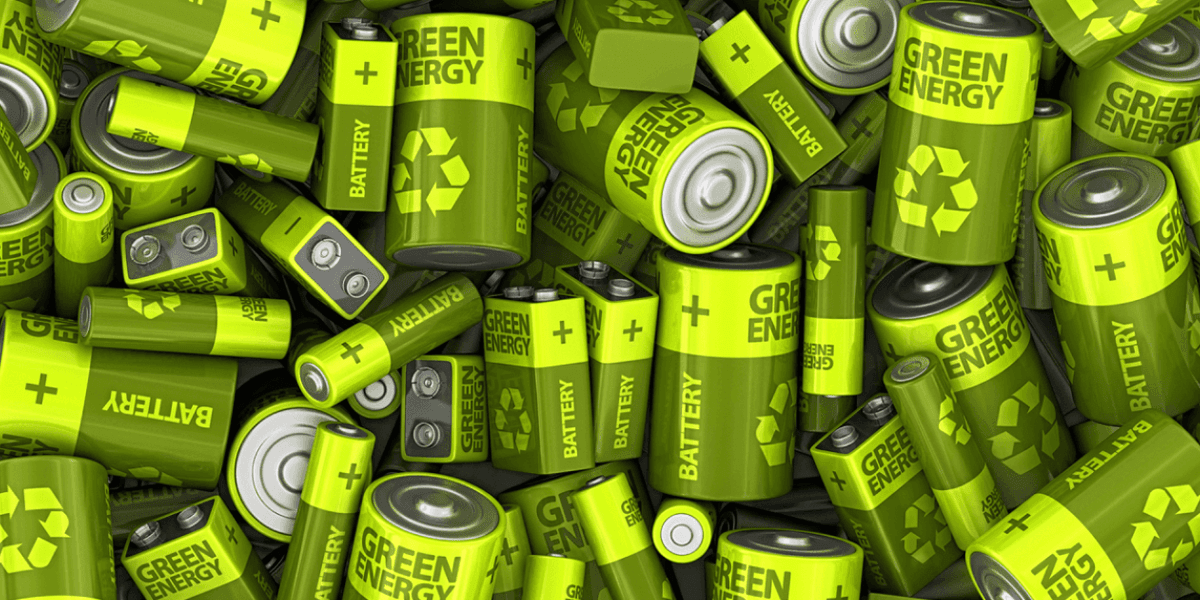
India has announced a new EV battery recycling policy designed to significantly strengthen the nation’s circular green economy while supporting the rapid rise of electric mobility. With EV sales crossing major milestones and battery waste expected to surge, the policy focuses on responsible collection, recycling and reuse of lithium-ion batteries to minimise environmental damage and reduce raw material dependency.
The new policy mandates that EV manufacturers, importers and battery producers take full responsibility for the lifecycle of batteries under Extended Producer Responsibility. This includes compulsory take-back systems, recycling targets and transparent reporting of recovered materials. Such measures align India with global sustainability standards and ensure that hazardous battery waste does not end up in landfills.
A major highlight of the policy is the push for advanced recycling technologies. The government aims to promote high-efficiency processes that recover valuable materials such as lithium, cobalt, nickel and manganese. These recovered materials can be reintroduced into the manufacturing chain, lowering the cost of new batteries and reducing dependence on imported minerals. This supports India’s strategy of building a self-reliant EV ecosystem.
The policy also introduces guidelines for “second-life applications,” allowing partially degraded EV batteries to be repurposed for energy storage systems, solar backup units, and small-scale power solutions. By extending battery lifespan, India aims to reduce waste generation and make renewable-power systems more affordable.
Environmental safeguards form a crucial pillar of the framework. Recycling facilities will adhere to strict pollution-control norms, ensuring that chemical handling and waste discharge are properly monitored. The policy also includes compliance audits, mandatory certification for recyclers and penalties for improper disposal practices.
Experts believe the new EV battery recycling policy will reshape India’s energy and mobility landscape by creating new industries, generating green jobs and attracting investment in battery-recycling infrastructure. It supports the government’s vision for a fully circular economy where resources are reused efficiently and environmental harm is minimized.
By formalizing recycling standards, strengthening enforcement and promoting technological innovation, the policy marks a major step toward building a sustainable EV ecosystem and reinforces India’s commitment to clean and responsible energy growth.
 Related News
POST A COMMENT (0)
All Comments (0)
Replies (0)