





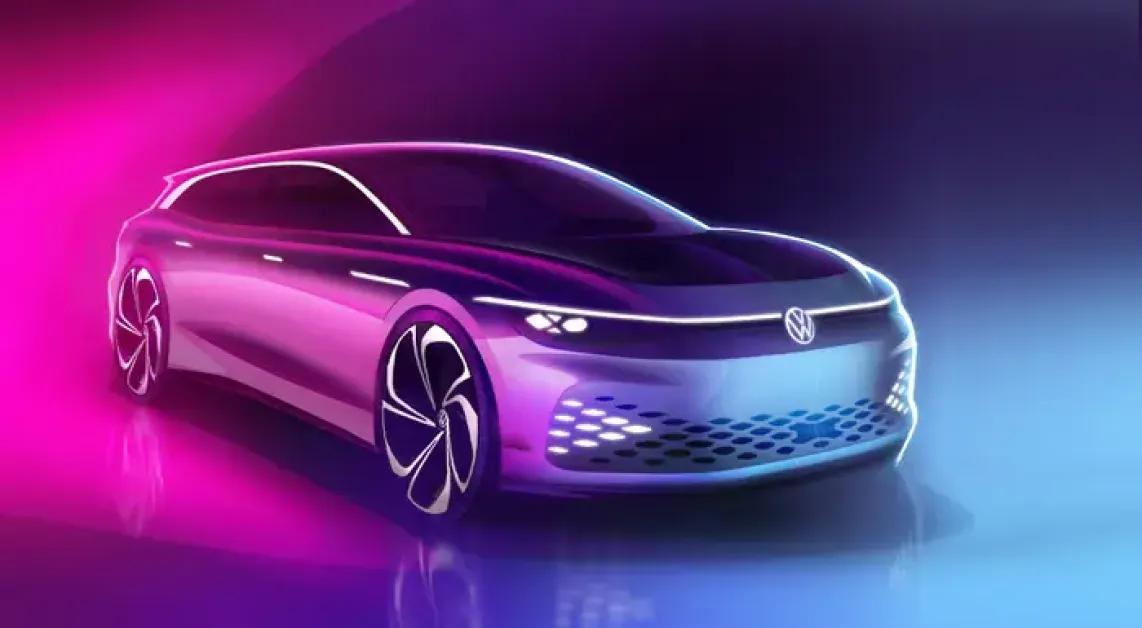
The roads are buzzing with change. With e-scooters zipping past petrol pumps and electric cars slowly claiming urban streets, India is stepping into the electric vehicle (EV) age. But beneath the surface excitement lies a crucial question—are we truly ready for this revolution?
Let’s plug into the heart of India’s EV movement and examine the reality.
The Electric Surge: Why EVs Matter in India
India is the third-largest emitter of carbon dioxide, and nearly 40% of urban air pollution comes from vehicle emissions. EVs offer a cleaner, quieter, and cheaper alternative that could transform urban mobility, reduce oil imports, and cut greenhouse gases.
The government aims for 30% EV adoption by 2030. Ambitious? Yes. Impossible? No—but it comes with speed bumps.
Key Drivers of the EV Push
-
Government Initiatives
-
FAME II (Faster Adoption and Manufacturing of Electric Vehicles): Subsidies for EVs and charging infrastructure.
-
PLI Scheme (Production Linked Incentives): Encouraging local battery manufacturing.
-
State EV Policies: Maharashtra, Delhi, Tamil Nadu, and others offering road tax exemption, subsidies, and charging station incentives.
-
-
Rising Fuel Costs
Skyrocketing petrol and diesel prices are pushing consumers to consider EVs as a long-term cost-saving move. -
Climate Commitments
India’s COP26 pledge to achieve net-zero by 2070 makes EVs a central pillar in its decarbonization strategy. -
Growing Startup Ecosystem
Indian startups like Ather Energy, Ola Electric, and Bounce are not just innovating—they’re revolutionizing affordable EV mobility.
But Are We Really Ready?
Despite the push, several critical challenges remain:
1. Charging Infrastructure: Still a Work in Progress
India has around 12,000 public charging stations—a fraction of what’s needed for mass EV adoption. Long charging times and “range anxiety” are major deterrents for buyers.
2. High Upfront Costs
EVs still cost more than ICE (internal combustion engine) vehicles, despite subsidies. Battery prices, though dropping, remain high, making EVs less accessible for middle-income families.
3. Power Grid Load and Clean Electricity
Increased EV use will strain India’s electricity grid. Worse, 60% of India’s electricity still comes from coal—which raises the question: how “green” are EVs, really?
4. Limited Options in Budget Segment
There are very few affordable electric cars under ₹10 lakhs. While e-scooters are booming, mass-market EV cars are still emerging slowly.
5. Lack of Consumer Awareness
Many Indians are still skeptical about EV performance, battery life, and resale value. Education and real-world success stories are critical for mass acceptance.
Teen Takeover: Why Gen Z and Millennials Are Key
India’s youth—especially in cities—are leading the charge. Teenagers and young professionals prefer electric scooters and bikes for daily commutes. They’re tech-savvy, climate-conscious, and drawn to the sleekness of EV brands like Ather, Revolt, and Simple Energy.
In Tier 1 cities, over 45% of e-scooter sales are to consumers under 30.
Future of EVs in India: What Needs to Happen
-
Massive charging station expansion
-
Battery swapping networks, especially for 2-wheelers
-
Local battery manufacturing to cut import costs
-
EV financing solutions to lower upfront costs
-
Mandates for EV adoption in public transport and delivery fleets
If these are addressed quickly, India could leapfrog into a global EV manufacturing and adoption hub.
Conclusion: We're on the Right Track—But Not There Yet
The EV revolution is real, and India is no longer just a spectator. However, the dream of clean, electric streets needs more than just innovation—it needs infrastructure, awareness, affordability, and urgency.
We’re not fully ready yet—but we’re getting there. With the right push, the electric revolution in India could go from spark to supercharge in just a few years.
 Related News
POST A COMMENT (0)
All Comments (0)
Replies (0)