





What is ‘Teflon Flu’ and How Does Traditional Indian Cookware Offer a Safe, Non-Stick Solution?
For decades, non-stick cookware has been a kitchen staple, praised for its convenience and ease of use. However, growing concerns about the toxins released from Teflon-coated pans have raised serious health alarms. One of the lesser-known dangers is ‘Teflon Flu’, a condition caused by inhaling fumes from overheated non-stick cookware.
What is ‘Teflon Flu’?
‘Teflon Flu,’ also known as polymer fume fever, occurs when Teflon (polytetrafluoroethylene or PTFE) cookware is heated beyond 260°C (500°F), releasing toxic fumes. These fumes contain perfluorooctanoic acid (PFOA) and per- and polyfluoroalkyl substances (PFAS), which have been linked to serious health concerns.
Symptoms of Teflon Flu:
-
Headache and dizziness
-
Fever and chills
-
Nausea and chest tightness
-
Respiratory discomfort
-
Flu-like body aches
While mild cases subside within a few days, prolonged exposure to these chemicals has been associated with thyroid disorders, liver damage, and even cancer.
The Safe Alternative: Traditional Indian Cookware
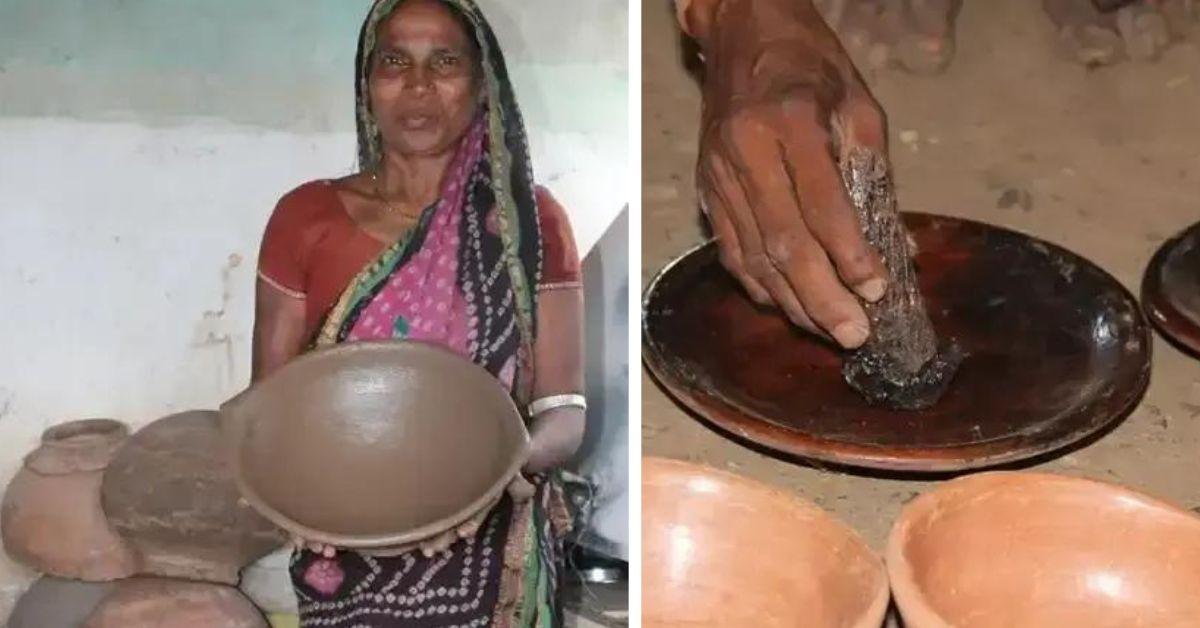
Long before modern non-stick pans, Indian households relied on naturally non-stick, chemical-free cookware made from cast iron, clay, brass, and stone. These traditional materials offer safe and effective alternatives without the risk of toxic fumes.
1. Cast Iron: The Original Non-Stick Pan
-
Forms a natural non-stick surface with regular seasoning.
-
Retains and distributes heat evenly, reducing the need for excessive oil.
-
Adds small amounts of iron to food, improving nutritional value.
-
Durable and long-lasting, unlike synthetic non-stick coatings that wear off.
2. Clay Pots: The Eco-Friendly Choice
-
Naturally porous, allowing food to cook evenly while retaining moisture.
-
Free from synthetic chemicals, ensuring toxin-free cooking.
-
Enhances flavor, giving food a rich, earthy taste.
3. Brass and Bronze Cookware: Antibacterial Benefits
-
Known for their antimicrobial properties, keeping food safe.
-
Retain heat efficiently, ensuring slow and uniform cooking.
-
Require tin lining (kalai) to prevent reaction with acidic foods.
4. Soapstone and Stoneware: The Ancient Slow Cooking Secret
-
Maintains the natural minerals in food.
-
Retains heat for long durations, reducing fuel consumption.
-
Best suited for slow cooking and making traditional dishes like dal and curries.
Why Switch to Traditional Cookware?
| Feature | Teflon Cookware | Traditional Indian Cookware |
|---|---|---|
| Toxicity Risk | Releases harmful fumes | 100% natural and chemical-free |
| Non-Stick Ability | Coating wears off over time | Improves with use and seasoning |
| Health Impact | Linked to respiratory and organ damage | Enhances food’s nutritional value |
| Durability | Wears out within a few years | Lasts for generations |
Final Thoughts
While Teflon-coated pans may seem convenient, their health risks outweigh the benefits. Traditional Indian cookware offers a safe, sustainable, and healthier alternative without compromising on non-stick efficiency.
By embracing age-old cooking methods, we can protect both our health and the environment—one meal at a time.
 Related News
POST A COMMENT (0)
All Comments (0)
Replies (0)