





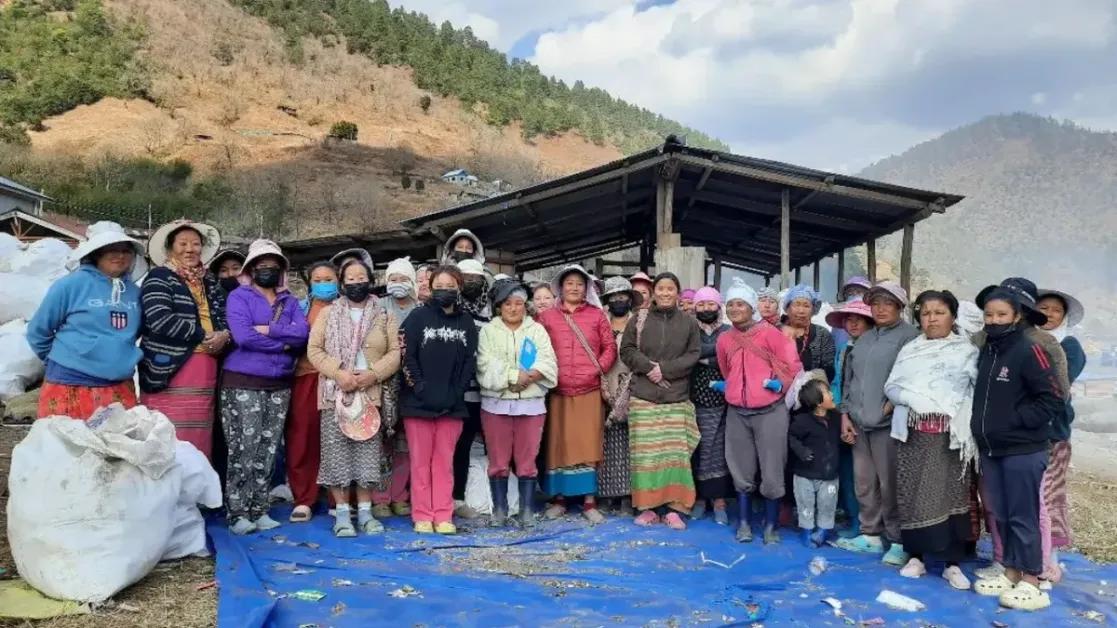
Tucked away in the breathtaking valleys of Arunachal Pradesh, the village of Sangti is a hidden gem known for its lush green landscapes, crystal-clear rivers, and vibrant biodiversity. Yet, this pristine paradise has been battling a growing threat—plastic pollution and improper waste disposal.
While many rural areas struggle with waste management, Sangti is undergoing a remarkable transformation, all thanks to one woman’s vision to turn it into a zero-waste village.
Meet Ananya Sharma: The Driving Force Behind the Change
Ananya Sharma, an environmentalist and social entrepreneur, has taken it upon herself to redefine sustainability in the Eastern Himalayas. Originally from Assam, she first visited Sangti while working on an eco-tourism research project. What she saw shocked her—plastic bottles clogging the serene streams, snack wrappers littering trekking trails, and toxic fumes from burning waste.
Determined to make a difference, she launched the Sangti Zero-Waste Initiative, a movement aimed at educating, engaging, and empowering locals to adopt sustainable waste management practices.
Changing Mindsets: The Power of Education
One of the biggest hurdles Ananya faced was changing deep-rooted habits. Many villagers were unaware of the long-term environmental consequences of waste mismanagement. To tackle this, she introduced:
✅ Awareness Workshops: Conducting sessions in schools and community centers about the dangers of plastic pollution.
✅ Reusable Alternatives: Distributing cloth bags and bamboo utensils to replace plastic items.
✅ Composting Programs: Teaching farmers how to turn food waste into organic fertilizer for their fields.
✅ Plastic Buy-Back Initiative: Encouraging households to exchange plastic waste for everyday essentials.
Her approach focused not just on waste disposal but on waste prevention, encouraging villagers to rethink their consumption habits.
Building a Sustainable Waste Management System
Beyond education, Ananya spearheaded the development of Sangti’s first waste segregation and recycling facility. With the support of local volunteers and NGOs, the initiative introduced a three-tier waste management model:
1️⃣ Waste Segregation at Source: Households were taught to separate biodegradable and non-biodegradable waste.
2️⃣ Community Recycling Center: Non-biodegradable waste was collected and repurposed into eco-friendly products, such as handcrafted souvenirs for tourists.
3️⃣ Eco-Tourism Guidelines: Visitors were required to follow a strict zero-waste policy, ensuring they left no plastic waste behind.
Overcoming Challenges on the Road to Sustainability
The transformation of Sangti into a zero-waste village was not without its challenges. Geographical remoteness, limited infrastructure, and initial resistance from the community were major hurdles. Funding was also a concern, as setting up waste management systems required resources and long-term planning.
Despite these obstacles, Ananya remained relentless. She secured crowdfunding support, collaborated with government sustainability programs, and built partnerships with eco-conscious brands to provide sustainable alternatives to single-use plastics.
A Model for the Future
Today, Sangti stands as a beacon of sustainability. Plastic litter has drastically reduced, waste segregation is now a common practice, and tourists actively contribute to the village’s conservation efforts. Nearby villages have taken inspiration from Sangti, setting off a chain reaction of eco-conscious change across the region.
Ananya’s dream is to expand the zero-waste model to other Himalayan villages, ensuring that these fragile ecosystems remain untouched for future generations.
Conclusion
The story of Sangti’s zero-waste transformation proves that one person’s determination can ignite a movement. Thanks to Ananya Sharma’s efforts, the village is preserving its natural beauty while setting an example for communities worldwide.
Would you visit Sangti and support its sustainability mission? Let us know in the comments!
 Related News
POST A COMMENT (0)
All Comments (0)
Replies (0)