





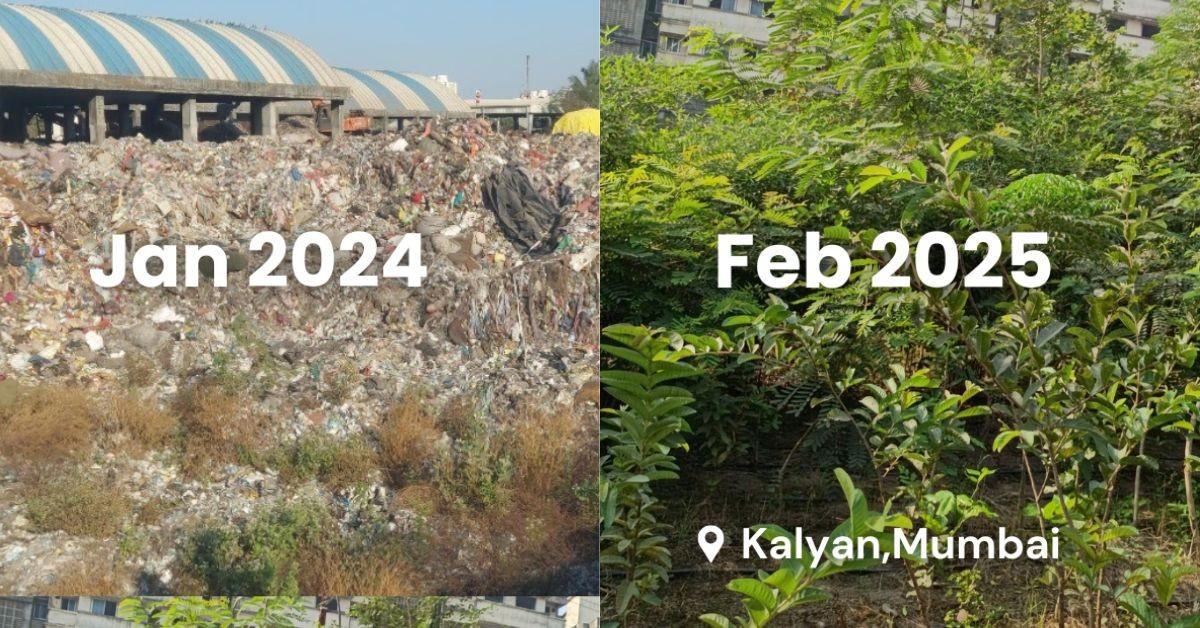
India’s cities are heating up. From choking pollution to searing temperatures, urban areas are becoming increasingly unliveable. The culprit? Vanishing green cover, endless construction, and unchecked development. But one grassroots initiative is proving that it doesn’t take government mandates or massive funds to reverse this trend—it just takes a community and a commitment. The CATCH Foundation has already established over 100 urban forests across India, breathing life into concrete jungles and helping cities fight back against climate change.
Urban heat islands—areas significantly hotter than their surroundings—have become common across Indian metros. Replacing trees with roads and rooftops has driven up temperatures and health risks. In response, the CATCH Foundation employs the Miyawaki technique to plant dense, fast-growing mini-forests. These forests don’t need large land parcels. Even small unused spaces—school yards, road sides, community corners—can become forests teeming with native trees and biodiversity.
Each urban forest plays a powerful ecological and social role. It cools the environment by up to 5°C, improves air quality, stores carbon, and prevents soil erosion. It also becomes a hub of life—birds, butterflies, insects return, and so does a sense of connection between people and their environment. The forests also recharge groundwater, making them vital to sustainable urban water management.
Unlike top-down campaigns, this model thrives on local ownership. CATCH involves everyone—school students, senior citizens, housing societies, and volunteers—in the process of planting and nurturing. From Hyderabad and Pune to Delhi and Chennai, these forests are growing beside highways, slums, and even industrial belts. Each is tailored to local conditions using native plant species, making them more resilient and self-sustaining.
Since 2014, the foundation has proven that meaningful climate action doesn’t need to be complex. The vision is simple: build thousands of pocket forests in every city. By combining ecology with community action, they are transforming India's urban future. As the country prepares for more smart cities, CATCH reminds us that being truly ‘smart’ means being green first.
These forests are more than greenery—they're survival strategies. As India grapples with rising heat and pollution, the work of the CATCH Foundation shows us a hopeful path. One sapling, one space, and one city at a time.
 Related News
POST A COMMENT (0)
All Comments (0)
Replies (0)