





The 1948 Accession of Kalat to Pakistan: A Turning Point in Balochistan’s Struggle
In the annals of South Asian political history, few episodes are as disputed and emotionally charged as the 1948 accession of the Khanate of Kalat to Pakistan. While this act formally brought Balochistan under the control of the newly formed Pakistani state, it also triggered a long-standing nationalist movement that continues to influence the region’s political climate to this day.
The Independence of Kalat
When British India was partitioned in August 1947, princely states were given the option to join either India or Pakistan, or remain independent. The Khanate of Kalat, which had been a semi-autonomous state under British suzerainty, declared its independence on August 15, 1947, the same day Pakistan was formed.
The Khan of Kalat, Mir Ahmad Yar Khan, based his decision on previous treaties with the British that recognized Kalat as an independent state with historical sovereignty. For several months, Kalat operated independently, maintaining its own flag, currency, and diplomatic discussions, even negotiating with Pakistan on equal footing.
The Pressures of Accession
However, the strategic importance of Balochistan—bordering Iran, Afghanistan, and the Arabian Sea—made it crucial to Pakistan’s national interests. Pakistani leaders, particularly Mohammad Ali Jinnah, who had earlier served as the legal adviser to the Khanate of Kalat, insisted that Kalat accede to Pakistan.
Despite initial resistance, on March 27, 1948, the Khan of Kalat signed the Instrument of Accession, merging his state with Pakistan. This decision came under immense political pressure, and the circumstances surrounding it remain controversial. The Pakistani government treated the matter as resolved, but for many in Balochistan, it marked the beginning of subjugation rather than integration.
Nationalist Backlash and Armed Resistance
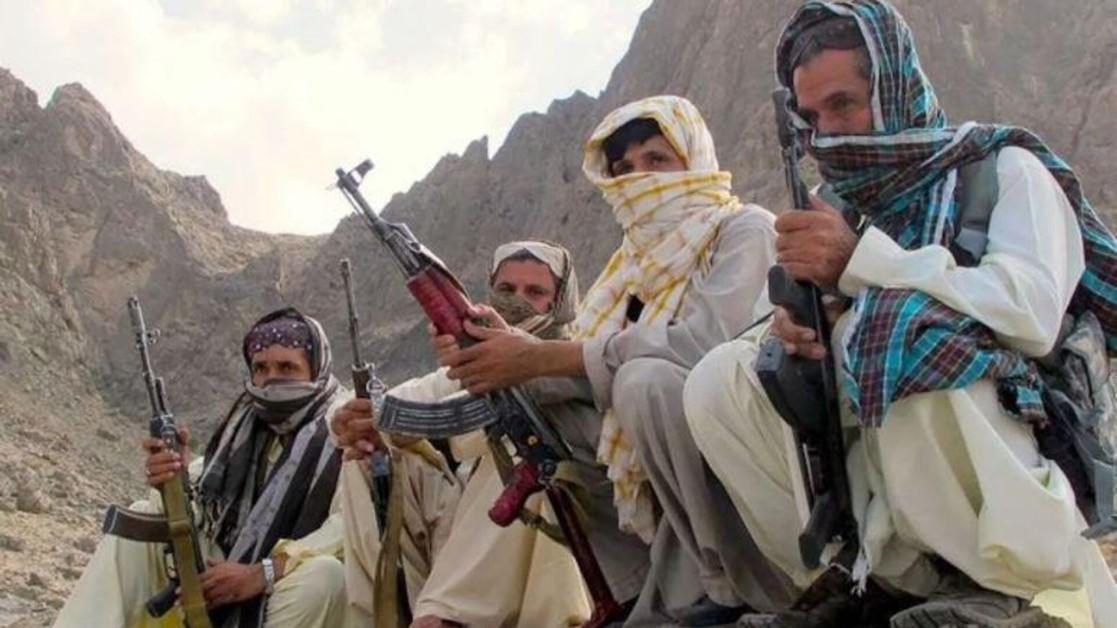
The accession ignited widespread resentment among Baloch nationalists. The Khan’s younger brother, Prince Abdul Karim, led the first armed rebellion against Pakistan in 1948, taking refuge in Afghanistan and declaring the accession illegal. Though this rebellion was eventually subdued, it laid the groundwork for decades of resistance and calls for autonomy or independence.
Subsequent insurgencies in 1958, 1962, 1973, and after 2000 were fueled by the same core grievances: lack of political autonomy, underdevelopment, and the exploitation of Balochistan’s rich natural resources without adequate local benefit.
The Legal and Moral Debate
Many Baloch nationalists argue that the accession was done under duress, lacked popular consent, and violated Kalat’s right to self-determination. Pakistan maintains that the accession was legal and final. However, international observers and human rights organizations have pointed out the opaque nature of the process, noting that it lacked a referendum or democratic consultation with the Baloch people.
The debate has taken on symbolic importance: for nationalists, the 1948 accession represents the loss of Baloch sovereignty, while for the Pakistani state, it is a settled matter of national integration.
Present-Day Repercussions
Today, the legacy of the 1948 accession remains a wound in Balochistan’s political memory. Nationalist leaders often refer to this event as the “forced merger”, and it continues to inspire protests, literature, and armed struggle in some parts of the province. The Pakistani government, meanwhile, has attempted to address Baloch grievances through developmental programs and political reforms, but deep-rooted mistrust persists.
Conclusion: A Moment That Still Echoes
The accession of the Khanate of Kalat to Pakistan in 1948 was not just a political maneuver—it was a moment that altered the identity, aspirations, and trajectory of Balochistan. What could have been a model for negotiated autonomy became a blueprint for mistrust and rebellion. The road to reconciliation in Balochistan may well depend on acknowledging this history and addressing the enduring questions of identity, autonomy, and justice.
Disclaimer: This article is based on public sources and reports. Our aim is not to hurt the sovereignty of any nation but to present information under the values of free and fair journalism.
 Related News
POST A COMMENT (0)
All Comments (0)
Replies (0)