





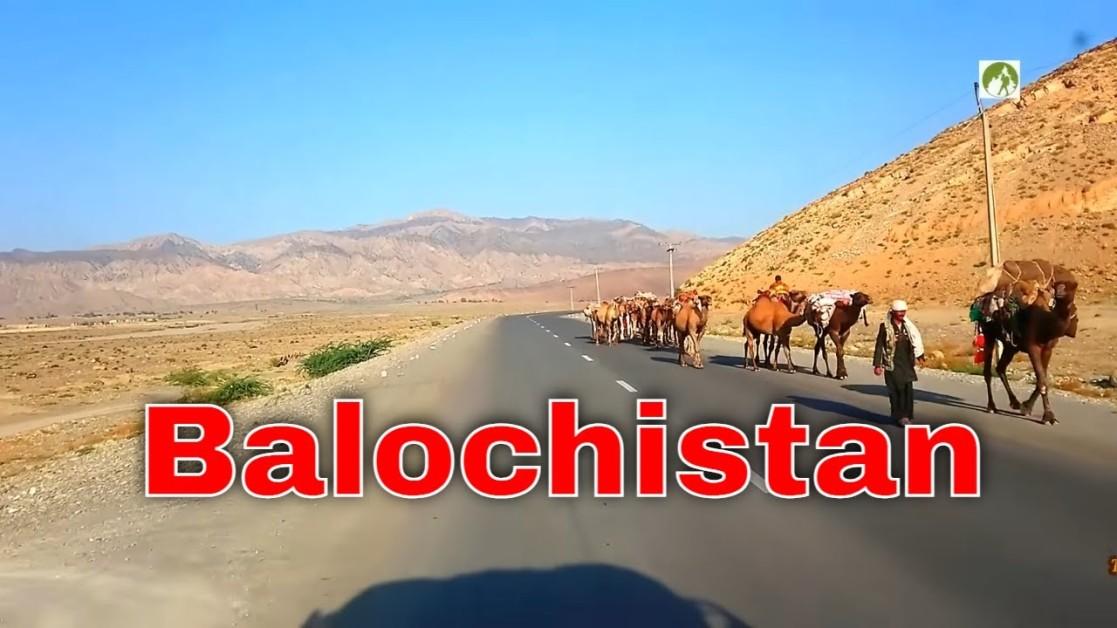
What Is Balochistan? A Deep Dive into the Forgotten Land of Riches and Resistance
Balochistan is one of the most strategically and economically significant yet politically overlooked regions in South and Central Asia. Spanning across southwestern Pakistan, southeastern Iran, and southern Afghanistan, this vast, arid land is home to the Baloch people—a fiercely independent ethnic group with its own language, customs, and centuries-old heritage. Despite being rich in natural resources such as natural gas, coal, gold, and various minerals, Balochistan remains underdeveloped and politically sensitive, particularly in Pakistan where it forms the largest province by landmass.
Geographic Scope and Significance
In Pakistan, Balochistan occupies nearly 44% of the country's land area, yet it accounts for less than 6% of the population. The region’s geographic position is highly strategic, bordering Iran and Afghanistan and offering access to the Arabian Sea through the Gwadar Port—a focal point of the China-Pakistan Economic Corridor (CPEC). The Iranian and Afghan portions of Balochistan, while smaller, share similar ethnic and cultural traits with their Pakistani counterpart.
Historical and Cultural Roots
The Baloch people are believed to have migrated from regions around the Caspian Sea centuries ago, settling across the harsh terrains of Balochistan. With a strong tribal identity and a history of resisting external control, the Baloch have long asserted their cultural and political autonomy. Over the decades, this resistance has manifested in multiple uprisings and insurgencies, particularly in Pakistan where demands for greater autonomy—or even independence—have sparked conflict with the central government.
Resource Wealth vs. Development
One of the most paradoxical aspects of Balochistan is its natural wealth contrasted with widespread poverty. The province holds an estimated 19 trillion cubic feet of natural gas, substantial coal reserves, and untapped gold and copper deposits like those in Reko Diq—one of the largest undeveloped gold mines in the world. Yet, the local population often lacks access to basic services such as healthcare, clean water, and education.
Critics argue that the benefits of resource extraction have been disproportionately channeled to other parts of Pakistan, especially Punjab and Sindh, leaving Balochistan’s infrastructure and human development in dire straits. This economic disparity continues to fuel political dissatisfaction and resentment among Baloch nationalists.
Security and Insurgency
Since Pakistan’s independence in 1947, Balochistan has witnessed several insurgencies, the most prominent of which began in the early 2000s. Armed separatist groups have demanded greater autonomy or complete secession, accusing the federal government of exploiting the province’s resources while ignoring the needs of its people. The state’s response has largely been militarized, leading to allegations of human rights abuses, enforced disappearances, and suppression of dissent.
International human rights organizations have raised concerns about the treatment of civilians in conflict zones, while journalists and activists working in Balochistan often face restrictions, threats, or worse.
Cross-Border Dynamics
The issue of Baloch nationalism does not stop at Pakistan’s borders. Iran’s Sistan and Baluchestan province has also seen unrest, with the Iranian government accusing Sunni Baloch militants of carrying out attacks. In Afghanistan, Baloch communities live under vastly different socio-political conditions, but they, too, are affected by the broader regional instability.
Future Outlook
With mega-projects like CPEC and the Gwadar Port promising economic transformation, the stakes in Balochistan are higher than ever. However, without inclusive development, meaningful political dialogue, and respect for local rights, the region’s deep-seated grievances are unlikely to fade. The story of Balochistan is not just one of untapped potential—it is a mirror reflecting the challenges of governance, equity, and federalism in multi-ethnic nations.
Disclaimer: This article is based on public sources and reports. Our aim is not to hurt the sovereignty of any nation but to present information under the values of free and fair journalism.
 Related News
POST A COMMENT (0)
All Comments (0)
Replies (0)