





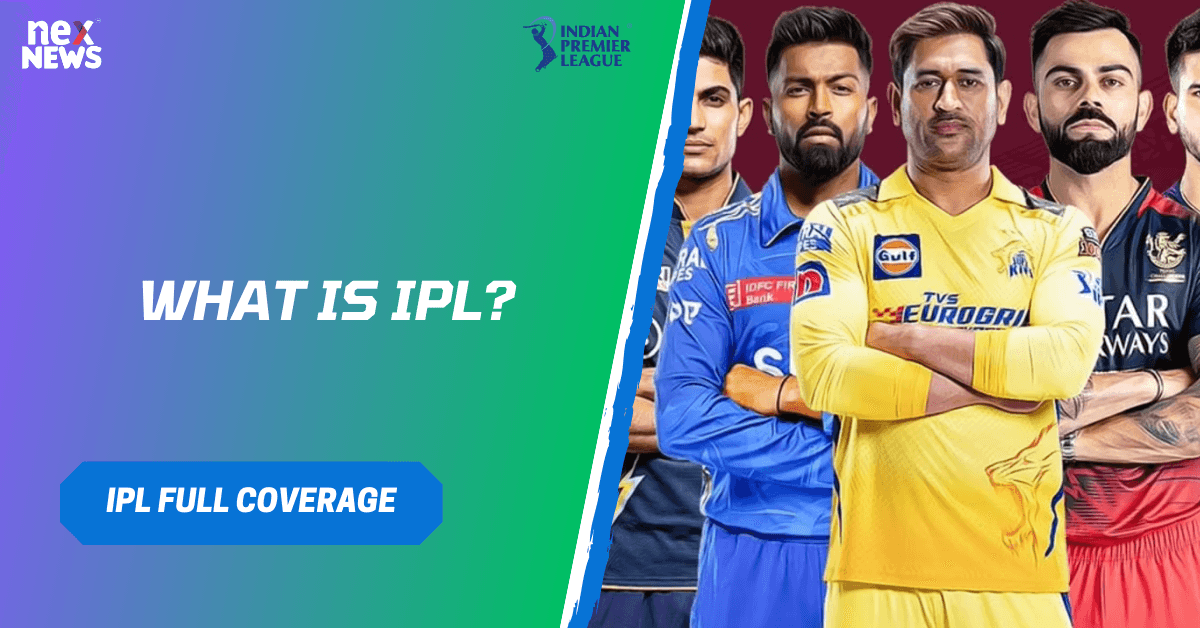
History of IPL
The Indian Premier League, commonly known as IPL, is a professional Twenty20 cricket league in India. The history of IPL dates back to 2007 when it was first conceptualized by the Board of Control for Cricket in India (BCCI). The league was established with the aim of revolutionizing the format of cricket by introducing a shorter and more exciting version of the game.
The inaugural season of IPL took place in 2008 and it marked the beginning of a new era in cricket. The league gained immense popularity among the fans and attracted some of the best cricketers from around the world. Over the years, IPL has evolved into a global phenomenon, captivating audiences with its high-intensity matches, star-studded teams, and electrifying atmosphere. The league has not only transformed the way cricket is played but also brought a new level of glamour and entertainment to the sport.
Origin and Evolution of IPL
The Indian Premier League (IPL) sprang into existence in 2008, thanks to the vision of the Board of Control for Cricket in India (BCCI). With the goal of revolutionizing the sport and bringing entertainment to cricket fans across the nation, the IPL introduced a new format that combined sportsmanship with glamour. As the brainchild of then-BCCI Vice President, Lalit Modi, the tournament was inspired by various Twenty20 leagues around the world, such as the Australian Big Bash League and the English County Twenty20. The first season of the IPL featured eight teams representing different cities in India and marked the beginning of a cricketing phenomenon.
Over the years, the IPL has evolved and transformed into a global brand, captivating audiences worldwide. The league attracted significant attention due to its amalgamation of cricket and entertainment, with well-known Bollywood stars and international players gracing the field. The introduction of cheerleaders, pulsating music, and extravagant opening ceremonies added another layer of glitz and glamour to the tournament. With each passing season, the IPL garnered more fans, increasing its reach and popularity not only within India but also in international markets. The league's sustained success and evolving nature have set the stage for further growth and innovation in the years to come.
IPL Teams and Franchises
The Indian Premier League (IPL) is a cricket tournament that brings together players from all around the world to represent various teams and franchises. The league is comprised of eight teams, each representing different cities in India. These teams are owned by various franchises, including prominent business tycoons, Bollywood celebrities, and even cricket legends themselves.
Each franchise is responsible for managing and operating their respective IPL team. They are responsible for team selection, training, and overall strategy for the season. The franchises also play a crucial role in promoting their teams and attracting sponsors and fans. It is through their marketing efforts and financial investments that the IPL has grown into one of the most lucrative and popular cricket leagues in the world.
With top-notch players, strategic team management, and immense fan support, IPL teams and franchises have become the backbone of this extraordinary cricket extravaganza. These teams embody the spirit of competition and provide a platform for both established and upcoming players to showcase their skills. While the ultimate goal for each franchise is to clinch the coveted IPL trophy, the journey leading up to the finals is filled with nail-biting matches, record-breaking performances, and unforgettable cricketing moments.
IPL Format and Rules
In its current format, the Indian Premier League (IPL) follows a round-robin and knockout format. The tournament consists of eight teams, each representing different cities in India. During the round-robin stage, each team plays against each other twice, once at home and once away, resulting in a total of 14 matches per team in the league phase. This ensures that each team gets a fair chance to showcase their skills and compete against other strong opponents.
The top four teams with the most points at the end of the league phase qualify for the playoffs. The playoffs consist of an Eliminator, two Qualifiers, and the Final. The Eliminator is played between the teams that finish third and fourth in the league phase, where the winner proceeds to the second Qualifier. The first Qualifier is between the teams that finish first and second, with the winner advancing directly to the Final. The loser of the first Qualifier gets another chance in the second Qualifier, where they face the winner of the Eliminator. The winner of the second Qualifier then goes on to face the team that won the first Qualifier in the grand Final.
To maintain fairness and balance, the IPL has implemented certain rules and regulations. For instance, each team can field a maximum of four foreign players in their playing XI. This rule ensures that Indian domestic players get plenty of opportunities to showcase their talent and develop their skills on a big stage. Additionally, to prevent teams from becoming top-heavy with star players, the IPL has enforced a salary cap, limiting the amount each franchise can spend on player salaries.
The IPL format and rules have played a crucial role in shaping the tournament's competitiveness and entertainment value. With each passing season, the league organizers strive to strike the right balance between providing a fair playing field for all teams while maintaining the excitement and unpredictability that has made IPL one of the most-watched cricket tournaments worldwide.
IPL Auction and Player Recruitment
The IPL Auction and player recruitment process is a crucial aspect of the Indian Premier League. Each season, teams have the opportunity to strengthen their squads by acquiring new talent through a bidding process. The auction is a high-octane event where franchises compete against each other to secure the services of the best players from around the world.
In the IPL Auction, players are categorized into different price brackets based on their skills, reputation, and past performances. Franchises strategize and bid for players that they believe will enhance the strength of their team. The bidding war often intensifies as teams aim to outdo each other in order to secure the services of top-notch players. The auction process not only provides an opportunity for players to showcase their worth but also allows teams to form a well-balanced and competitive squad for the upcoming season.
IPL Records and Milestones
In its illustrious history, the Indian Premier League (IPL) has witnessed several astonishing records and milestones achieved by the players. From gigantic sixes to blistering centuries, the IPL has provided fans with countless memorable moments. Let's take a look at some of the remarkable records that have been achieved in this exhilarating tournament.
The highest individual score in IPL history belongs to Chris Gayle, who scored a breathtaking 175 not out off just 66 balls for the Royal Challengers Bangalore against the Pune Warriors in 2013. Gayle's knock was an exhibition of pure power and dominance, as he smashed a record 17 sixes and 13 boundaries in his innings. Another significant record is held by Lasith Malinga, who has taken the most number of wickets in the tournament's history. With his unplayable yorkers and remarkable variations, Malinga has scalped a staggering 170 wickets in the IPL, making him an indispensable asset for the Mumbai Indians. These records are a testament to the exceptional talent and skill exhibited by the players in the IPL, leaving fans in awe and forging lasting memories.
IPL Fanbase and Popularity
The IPL has gained a massive fan following since its inception in 2008. The tournament's popularity can be attributed to various factors. Firstly, the IPL offers high-quality cricket with some of the world's best players showcasing their skills. The fast-paced format of the game, with matches often going down to the wire, keeps fans on the edge of their seats.
Secondly, the IPL's unique team structure, with players from different countries coming together to represent various franchises, has created a sense of global appeal. Fans not only support their favorite domestic players but also back international stars who are part of the league. This multicultural aspect adds an exciting flavor to the tournament and widens its fanbase.
The IPL has also made cricket more accessible to a wider audience, thanks to its extensive media coverage and broadcasting rights. The tournament is broadcasted in various countries, allowing fans from different parts of the world to tune in and cheer for their favorite teams and players. Additionally, the advent of social media platforms has further boosted the IPL's popularity, as fans engage in discussions, debates, and share their excitement and emotions about the matches.
The immense fanbase and popularity of the IPL have not only benefitted the tournament but have also had a significant impact on Indian cricket as a whole. The IPL has unearthed many talented young players, providing them with a platform to showcase their skills and earn recognition. It has revolutionized the financial aspect of the game, with players earning substantial sums of money through contracts and endorsements.
Furthermore, the IPL has led to the development of modern infrastructure and facilities, with state-of-the-art stadiums being built across the country. The tournament has created numerous job opportunities, both directly and indirectly, benefiting not only players but also support staff, broadcasters, hospitality services, and local businesses.
On the international cricket front, the IPL has had mixed effects. While it has enhanced the careers of several international players, allowing them to gain exposure and sharpen their skills, it has also raised concerns about the workload on them due to the crowded IPL schedule. International cricket boards have often had to manage player availability and scheduling conflicts, leading to strained relations with the BCCI, the governing body of the IPL.
The future of the IPL seems promising but also comes with potential challenges. With the ever-increasing popularity and financial rewards, maintaining a competitive balance among the teams could be a test. Additionally, the tournament faces the constant challenge of tackling corruption and match-fixing allegations, which can dent its reputation.
Despite these challenges, there is no denying that the IPL has become a cultural phenomenon, deeply ingrained in the hearts of cricket fans. The tournament has given a new dimension to the sport, blending entertainment, competitiveness, and passion. As cricket continues to evolve, the IPL will undoubtedly play a vital role in shaping its future.
Impact of IPL on Indian Cricket
The Indian Premier League (IPL) has had a profound impact on Indian cricket since its inception in 2008. One of the key contributions of IPL has been the emergence of young talent from across the country. The league provides a platform for aspiring cricketers to showcase their skills and gain exposure to international standards of cricket. Many young players who have performed well in the IPL have gone on to represent the Indian national team, adding depth and diversity to the talent pool.
Furthermore, the IPL has played a significant role in the financial growth of Indian cricket. The league's success has attracted unprecedented investment, both from domestic and international sources. This influx of money has led to the development and improvement of cricket infrastructure in the country, including state-of-the-art stadiums, training facilities, and coaching programs. This, in turn, has helped in nurturing and honing the skills of young cricketers, providing them with better resources and opportunities to excel in the sport. The financial stability provided by the IPL has also allowed the Board of Control for Cricket in India (BCCI) to invest more in grassroots development and the promotion of the game at the grassroots level.
IPL and International Cricket Relations
The Indian Premier League (IPL) has not only transformed domestic cricket in India but also revolutionized the way international cricket is perceived. With its star-studded line-up, innovative formats, and massive global viewership, the IPL has attracted the attention of cricket boards and players from around the world. International players now see the IPL as a platform to showcase their talent, gain exposure, and enhance their skills. This has led to stronger ties between IPL and international cricket, with players forming bonds and sharing experiences that transcend national boundaries.
Moreover, the IPL has also had a significant impact on international cricket relations in terms of player development and performance. IPL's fast-paced and high-pressure environment offers international players the opportunity to compete against the best in the world. The exposure to different playing styles, strategies, and conditions helps players acquire valuable insights and skills that they can bring back to their national teams. This exchange of knowledge and experience has led to greater competitiveness in international cricket, as players constantly strive to raise their game to match the high standards set in the IPL.
Future of IPL and Potential Challenges
With its immense popularity and success over the years, the future of the Indian Premier League (IPL) shines bright. As it continues to grow, the IPL has the potential to be the most lucrative cricket league in the world, attracting top players from various countries. The IPL's auction system, which allows teams to rebuild their squads every year, ensures that the competition remains fresh and captivating for fans across the globe. Additionally, the league's format, combining cricketing excellence with entertainment, appeals to a wide range of audiences, ensuring that the IPL continues to be a vibrant spectacle on cricket calendars for years to come.
However, alongside the promising future of the IPL, there are potential challenges that the league may face. One significant challenge is the ever-increasing competition from other T20 leagues around the world. The emergence of leagues in different countries, offering similar opportunities and hefty paychecks, could tempt players to prioritize other leagues over the IPL. Additionally, maintaining the integrity of the tournament amidst concerns of match-fixing and corruption is a constant battle for the organizers. To ensure the continuation of the IPL's success, the league must adapt and innovate to tackle these challenges, keeping the focus on fair competition and the thrill of the game.
 Related News
POST A COMMENT (0)
All Comments (0)
Replies (0)