





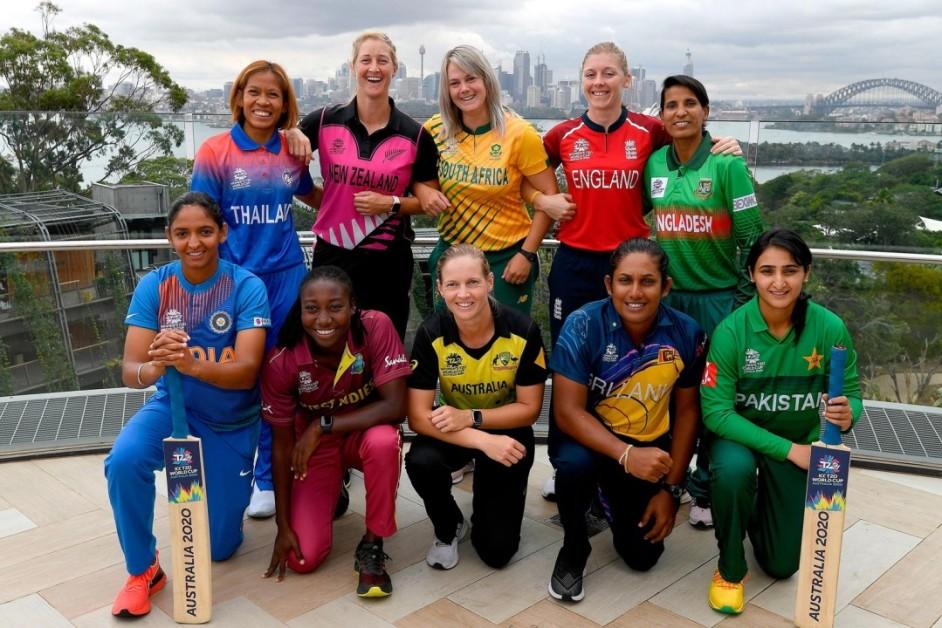
Women’s cricket has undergone a remarkable transformation over the last century—from humble beginnings and limited recognition to becoming a global force that commands packed stadiums, billion-dollar viewerships, and fiercely competitive tournaments. This evolution is not just a story of sports but of resilience, equity, and ambition.
Early Origins and Struggles
The first recorded women’s cricket match dates back to 1745 in England, yet for centuries, the sport remained largely under the radar. In the 20th century, women in cricket often played on uncovered pitches, with minimal support, sparse media attention, and little to no financial backing. It wasn’t until the formation of the Women’s Cricket Association (WCA) in England in 1926 and the inaugural Women’s World Cup in 1973—two years before the men’s version—that momentum began to build.
Australia, England, and New Zealand were early trailblazers, regularly hosting bilateral and triangular series. However, these matches rarely made headlines, and players often had to fund their own tours, juggle jobs, or play without proper facilities.
Turning Points in the 21st Century
The 2000s marked a turning point in the trajectory of women’s cricket:
-
The International Cricket Council (ICC) took over the administration of women’s cricket in 2005, leading to better integration with the men’s game.
-
The Women’s T20 World Cup, launched in 2009, revolutionized the format with its dynamic pace and broadcast appeal.
-
Star players like Mithali Raj, Charlotte Edwards, Ellyse Perry, and Meg Lanning became household names and role models.
-
Nations like India, South Africa, Pakistan, and Bangladesh began investing in female talent development, coaching infrastructure, and domestic leagues.
The Rise of Domestic Leagues
One of the biggest accelerators for global visibility was the rise of domestic franchise leagues:
-
The Women’s Big Bash League (WBBL) in Australia set the tone for professionalism and entertainment value.
-
India’s Women’s Premier League (WPL), launched in 2023, broke records in player salaries and viewership, elevating the game’s commercial profile.
-
The UK’s The Hundred and Charlotte Edwards Cup have also nurtured emerging stars.
These leagues have not only bridged the pay gap but provided a platform for young talent across nations like Thailand, Ireland, and the UAE to showcase their skills on the world stage.
Teenage Stars Redefining the Game
Teenage prodigies are now driving the sport into a new era. Players like Shafali Verma (India), Alice Capsey (England), and Darcie Brown (Australia) debuted in their teens and have already won global accolades. Their fearless style, combined with media savviness, has attracted millions of young fans.
In countries where women's participation in sports was once taboo, these teenagers are breaking barriers, encouraging school-level participation, and changing parental mindsets.
Global Milestones and Tournaments
-
The 2020 Women’s T20 World Cup Final at the Melbourne Cricket Ground drew over 86,000 fans, a record for women’s cricket.
-
The inclusion of women’s cricket in the 2022 Commonwealth Games and 2028 Olympics (planned) further legitimizes its global importance.
-
The ICC’s investment in broadcasting, prize money, and international calendar parity is accelerating gender equity.
Challenges Ahead
Despite progress, women’s cricket still faces hurdles:
-
Unequal pay persists in many boards outside elite nations.
-
Infrastructure, sponsorship, and media exposure lag in developing cricket nations.
-
Cultural resistance continues in certain regions, limiting female participation at grassroots levels.
The Future is Bright
Yet the trajectory remains upward. The next decade will likely see:
-
Expansion of domestic leagues in countries like South Africa, West Indies, and Sri Lanka.
-
Greater corporate sponsorships.
-
Full-time contracts for more players across associate nations.
-
Broader integration of technology, analytics, and fan engagement.
Conclusion
The evolution of women’s cricket globally is a powerful narrative of progress, passion, and perseverance. From fighting for legitimacy to filling stadiums, women cricketers have rewritten the rulebook. As the world watches with increasing admiration, one thing is clear—the future of cricket is not just male. It is magnificently, fiercely, and proudly female too.
 Related News
POST A COMMENT (0)
All Comments (0)
Replies (0)