





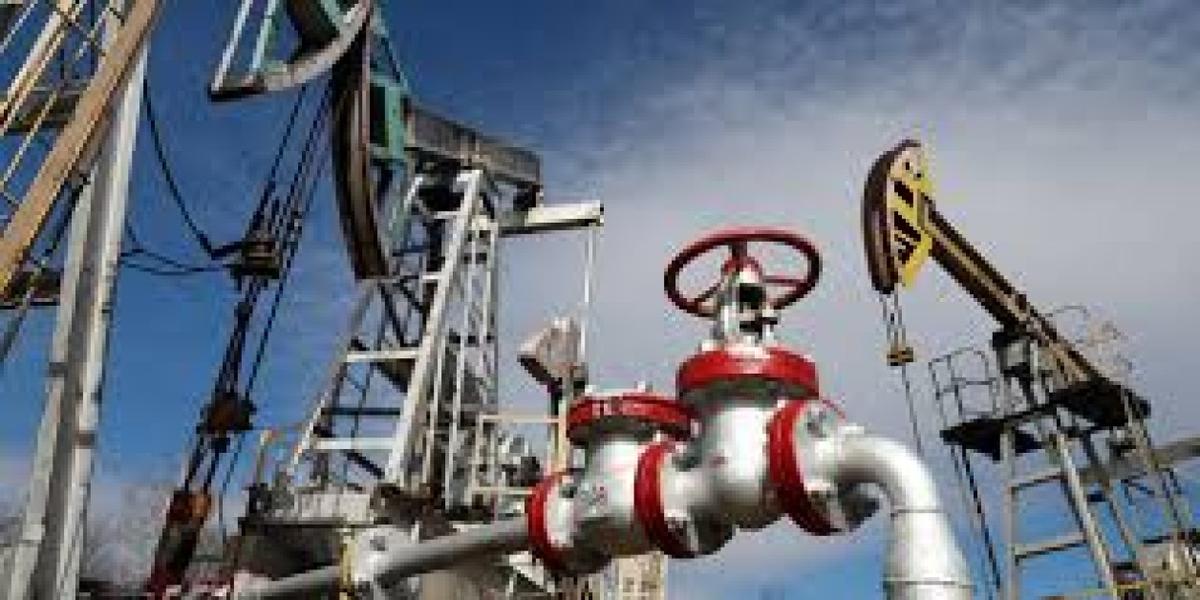
U.S. Sanctions on Russian Oil Spark Global Shockwaves
The global energy landscape has been jolted by the U.S. announcement of sweeping sanctions on Russia’s major oil firms. Designed to cripple Moscow’s revenue streams from its energy sector, these measures mark one of the most significant economic confrontations in recent years. Russian President Vladimir Putin condemned the move as an “unfriendly act,” while global markets reacted immediately, with oil prices surging and uncertainty rippling through international trade networks.
The sanctions target Russia’s largest oil producers, restricting access to U.S. financial institutions, advanced technology, and critical export channels. The strategy is part of Washington’s broader effort to pressure Moscow amidst ongoing geopolitical tensions in Eastern Europe. Analysts suggest that this approach aims to weaken Russia’s economic base, thereby constraining its military and political ambitions, particularly in Ukraine. The sanctions are expected to have both immediate and long-term consequences for global energy supply and demand.
Oil prices reacted sharply following the announcement, with Brent crude climbing to levels not seen in months. Energy markets worldwide experienced heightened volatility, reflecting fears of supply disruptions. For nations heavily reliant on Russian crude, including India and China, the sudden spike presents both economic and strategic dilemmas. Buyers must now navigate a landscape where securing energy resources has become more expensive and politically fraught.
India, one of Russia’s largest oil importers, faces a particularly complex situation. Russian oil has traditionally been purchased at discounted rates, allowing New Delhi to manage its energy costs amid domestic inflation pressures. The sanctions threaten to disrupt these arrangements, potentially forcing India to seek alternative suppliers at higher prices or confront domestic fuel price volatility. The government is reportedly assessing contingency measures, including strategic reserves and diplomatic engagements, to mitigate the impact on consumers and industries.
China, another major buyer of Russian crude, has similarly found itself in a delicate position. Beijing’s energy strategy balances the need for affordable oil with its geopolitical interests, especially in managing relations with both Moscow and Washington. The U.S. sanctions introduce new risks for Chinese importers, who may face pressure from U.S. financial institutions and multinational oil companies reluctant to breach the sanctions. Analysts suggest that China could accelerate purchases before restrictions fully tighten or diversify sources to safeguard its energy security.
The sanctions also carry broader implications for the global energy market. European nations, already grappling with reduced Russian gas supplies, may face further complications in balancing energy imports. Shipping routes and insurance costs are expected to rise, as vessels transporting Russian crude must navigate a complex legal and financial environment. These developments could accelerate shifts toward alternative energy sources, including liquefied natural gas (LNG), renewable energy, and strategic stockpiling by vulnerable nations.
Moscow’s response has been assertive, signaling both economic resilience and political defiance. President Putin described the sanctions as “unfriendly” and vowed that Russia would find ways to circumvent restrictions, including redirecting supplies to willing buyers outside the U.S.-led sphere of influence. Russian officials have hinted at long-term strategies involving barter deals, regional partnerships, and bolstering domestic refining capabilities. While these measures may alleviate immediate pressure, they are unlikely to completely offset the economic strain imposed by the sanctions.
Market analysts highlight that the timing of the sanctions coincides with seasonal fluctuations in global demand. Winter heating requirements in Europe and Asia are expected to push energy consumption higher, amplifying the pressure on supply chains. Consequently, short-term volatility in oil and gas prices may persist, affecting everything from manufacturing costs to transportation fuel rates. Countries with limited alternative sources of energy may be particularly vulnerable to price shocks.
Financial institutions and multinational corporations are also recalibrating risk strategies in response to the sanctions. Companies with exposure to Russian energy assets face potential asset freezes, restricted financing, and reputational risks. Banks are assessing compliance measures, while trading firms are adjusting hedging strategies to account for higher volatility and geopolitical uncertainty. This cascading effect underscores how a single policy decision can ripple across interconnected global markets, influencing not only energy pricing but broader economic stability.
In addition to economic consequences, the sanctions carry significant geopolitical weight. Washington’s move signals a readiness to escalate economic pressure as a tool of foreign policy, reinforcing alliances while challenging adversaries. Countries in Asia and Europe are watching closely, weighing their own strategic responses. For nations like India and China, the challenge lies in balancing economic pragmatism with diplomatic positioning, ensuring energy security without antagonizing either Russia or the U.S.
The sanctions may also accelerate discussions on energy independence and diversification. Countries reliant on external oil supplies are increasingly exploring alternative sources, from regional pipelines to domestic production enhancements. Investment in renewable energy technologies, energy storage, and infrastructure upgrades is likely to gain urgency as governments seek to buffer against future geopolitical shocks. Analysts suggest that this moment could mark a turning point in the global energy transition, even as fossil fuels remain central to immediate economic needs.
In conclusion, the U.S. sanctions on Russian oil are more than an isolated policy decision—they are a seismic event reshaping energy, economics, and geopolitics simultaneously. While Russia seeks to mitigate the impact, global markets are responding with volatility, leaving major buyers like India and China navigating complex trade-offs. The coming months will reveal the depth of these sanctions’ effects on oil prices, international alliances, and long-term energy strategies. For now, the world watches as economic power, energy security, and geopolitical influence converge in a new, high-stakes chapter of global affairs.
 Related News
POST A COMMENT (0)
All Comments (0)
Replies (0)