





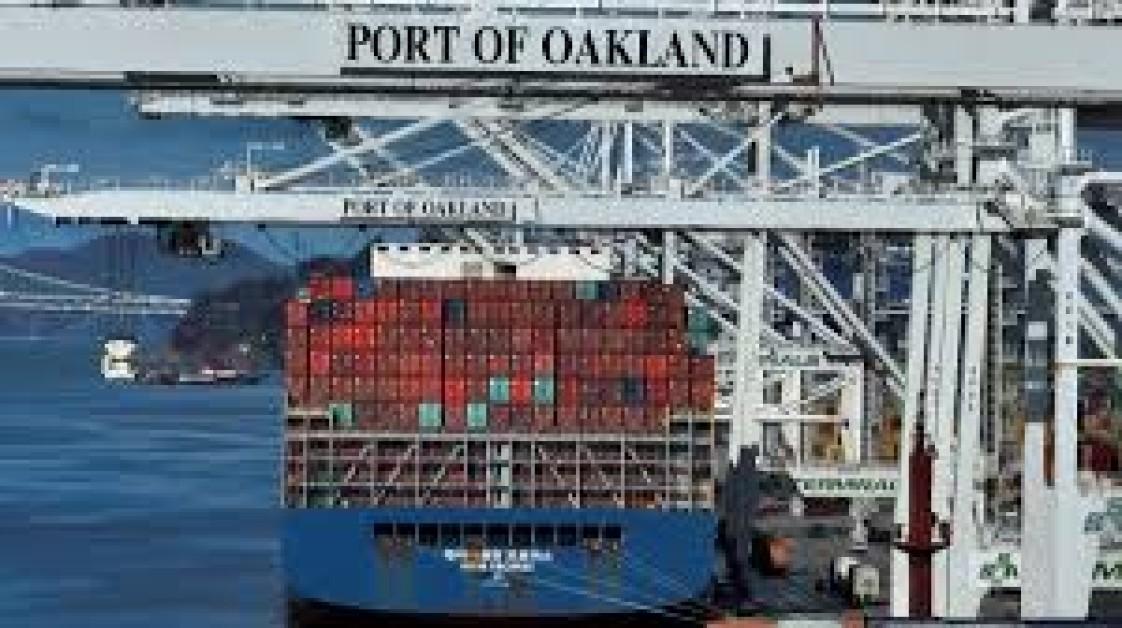
A contentious proposal at the United Nations’ International Maritime Organization (IMO) to impose a carbon emissions pricing scheme on global shipping has sparked a diplomatic clash between the United States and an EU-led coalition of nations. The disagreement centers on new rules that would charge large vessels emitting above certain thresholds, while offering rewards or credits to cleaner ships.
The plan is supported by a coalition including the European Union, the United Kingdom, China, and Japan. According to draft provisions, ships over 5,000 tons that exceed emissions limits would incur fees, and cleaner vessels would receive surplus credits. Revenues from penalties are expected to be funneled into a newly proposed IMO “Net-Zero Fund” beginning around 2028. Estimates suggest that this measure could generate between US$11-12 billion annually during the early years.
The United States has strongly opposed the measure, having exited negotiations earlier in the year. U.S. officials argue that the proposal amounts to a “European-led neocolonial export of global climate regulations.” They claim it unfairly burdens U.S. shipping interests and could amount to an undeclared global tax regime. Washington has threatened reciprocal measures, including port fees, visa sanctions, and other retaliatory steps against countries that adopt or support the IMO proposal.
Supporters of the deal contend that global cooperation is essential to address the climate impact of shipping, which contributes around 3 percent of global greenhouse gas emissions and carries most of the world’s trade. They argue that without a uniform regulatory framework, action taken by individual nations or blocs would lead to fragmented rules, unfair competition, and weaker environmental outcomes.
Critics, including industry groups and certain countries, caution that the proposed fees and rules may impose heavy economic costs, especially for developing states or for shipping firms operating under tight margins. They point out challenges such as estimating emissions accurately, ensuring clean fuel alternatives are available, and aligning global enforcement.
The IMO’s environmental committee meeting, scheduled for mid-October 2025, is expected to formally decide on whether to adopt the emissions pricing scheme. The outcome will likely have major implications for international shipping operations, trade relations, and the global effort to reduce emissions.
If adopted, the scheme would represent one of the most significant steps yet toward imposing climate regulation in the global maritime sector. It could shift costs, alter investment in shipping fleets and fuels, and set a precedent for how global climate policies intersect with trade, sovereignty, and regulatory jurisdiction.
In short, the proposed UN shipping emissions deal has become a flashpoint in U.S.–EU relations, exposing deeper tensions over how international climate rule-making should be conducted, who should bear the costs, and how to balance environmental goals with economic and political interests.
 Related News
POST A COMMENT (0)
All Comments (0)
Replies (0)