





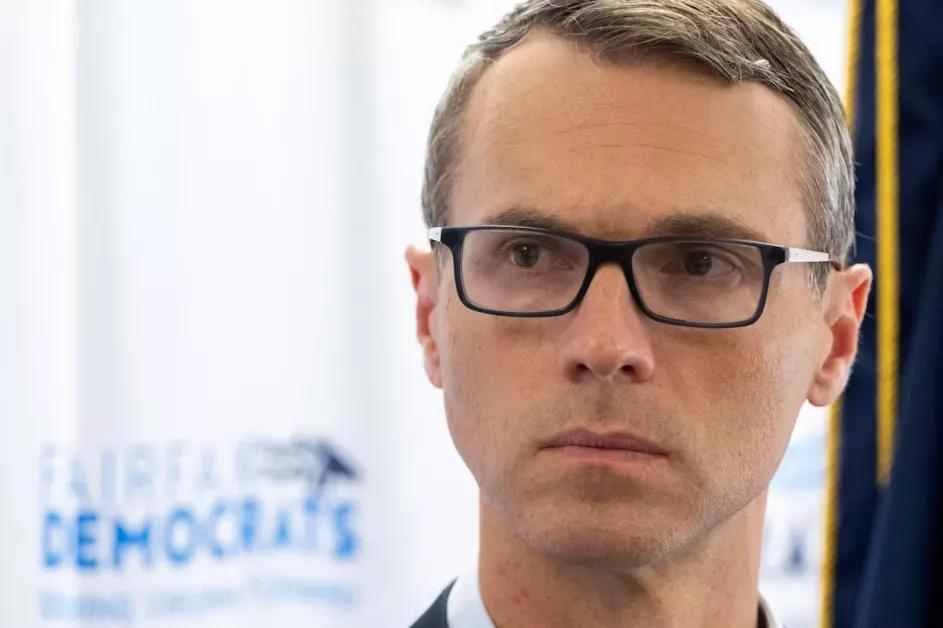
Special U.S. House Election in Fairfax, Virginia
Fairfax, Virginia has become the focus of political watchers across the nation as residents cast their ballots in a highly anticipated special U.S. House election. The vote will determine who will fill the congressional seat left vacant by the late Representative Gerry Connolly, a longtime Democratic leader known for his influence in Northern Virginia and his consistent defense of the federal workforce. His passing earlier this year left not only a personal void in the district but also a sudden political vacancy that now demands resolution.
The Legacy of Gerry Connolly
For decades, Gerry Connolly stood as a familiar figure in Virginia’s political landscape. Representing Fairfax and surrounding areas, he was recognized for his strong ties to the federal workforce, his advocacy for sustainable urban growth, and his efforts to secure funding for infrastructure projects. Connolly’s influence extended beyond his district, as he became a respected voice on Capitol Hill, especially on issues relating to federal employees and international affairs.
His unexpected death created a sudden shift in the political balance of Northern Virginia. Voters who had grown accustomed to his style of representation now face the challenge of selecting someone who can both honor Connolly’s legacy and provide a fresh vision for the future.
The Importance of the Special Election
Special elections in the United States are unique political events. Unlike general elections that follow predictable cycles, they are often marked by heightened urgency and lower voter turnout. Yet their impact can be profound. For Fairfax, the outcome of this race will not only decide who represents them in Congress but also signal the broader political mood in Virginia.
This particular election is especially significant because Northern Virginia has become a bellwether region for national politics. The area’s diverse demographics, high levels of education, and proximity to Washington, D.C., make it a critical district for both Democrats and Republicans.
The Candidates in the Spotlight
Several candidates have stepped forward to contest the seat. On the Democratic side, the focus has been on candidates who promise to continue Connolly’s work, particularly his defense of federal workers and advocacy for progressive policies. Democratic leaders are eager to maintain control of the district, which has leaned blue for years but remains politically competitive.
Republicans, meanwhile, see this special election as an opportunity to make inroads in Northern Virginia. Their candidate has centered the campaign on concerns about rising costs of living, crime, and immigration policies—issues they believe resonate with suburban voters who may feel disconnected from Washington’s gridlock.
Independent and third-party candidates have also entered the race, offering alternative visions for Fairfax. While they may not have the same organizational strength as the two major parties, their participation reflects the diverse perspectives of the community.
Key Issues Shaping the Campaign
Every election is defined by the issues that matter most to voters, and the Fairfax special election is no different. Several themes have dominated the debates, forums, and campaign advertisements leading up to election day.
-
Economic Concerns:
With inflation and the high cost of housing weighing heavily on residents, candidates have been pressed to explain how they will support working families. Northern Virginia is one of the most expensive regions in the country, and affordability is a major concern. -
Federal Workforce:
As the home to thousands of federal employees, Fairfax has long prioritized policies that protect federal jobs and benefits. Gerry Connolly’s advocacy on this issue made him a beloved figure, and his successor will be expected to continue this fight. -
Healthcare and Education:
Access to affordable healthcare and improvements in public education have been recurring points of discussion. Parents, in particular, have voiced concerns about school funding and curriculum debates, pushing candidates to outline concrete solutions. -
Transportation and Infrastructure:
Fairfax’s growing population has led to traffic congestion and strain on public infrastructure. Voters are eager to see who will secure federal funding for road improvements, metro expansion, and sustainable development. -
National Politics and Polarization:
While local issues dominate, the national climate cannot be ignored. The special election has become a proxy battle for larger political narratives, with both parties framing the race as critical to their momentum heading into the next general elections.
The Role of Voter Turnout
Special elections are often unpredictable because turnout tends to be lower compared to general elections. Campaigns in Fairfax have invested heavily in voter outreach, knocking on doors, sending mailers, and using social media to mobilize supporters. Both parties understand that energizing their base could make the difference in what may be a tight race.
Political experts have noted that suburban districts like Fairfax are often swayed by independent voters. These individuals may not align strictly with one party but are driven by specific issues or candidate qualities. As a result, outreach to moderates and undecided voters has been crucial in the final days of campaigning.
National Attention and Political Stakes
While Fairfax residents will cast the ballots, the entire nation is watching. For Democrats, a victory would reaffirm their hold on a key suburban district and show resilience despite challenges in Washington. For Republicans, a win could signal growing discontent with Democratic leadership and boost their momentum heading into upcoming national contests.
The outcome could also influence the balance of power in the House of Representatives, depending on how narrow the majority is at the time. With both parties often locked in fierce competition, even a single seat can tip legislative dynamics.
Community Response and Emotions
Beyond political strategy, the election has been deeply emotional for many in Fairfax. Gerry Connolly’s passing was a moment of grief, and his absence has been felt strongly among longtime constituents. Many residents have described this special election as a chance to both honor his service and set a new course.
Local civic groups, neighborhood associations, and faith-based organizations have played an active role in encouraging participation. Voter education efforts have highlighted the importance of showing up at the polls, reminding residents that even special elections shape the direction of governance.
Election Day Atmosphere
As polling stations opened across Fairfax, the atmosphere reflected both excitement and tension. Voters queued up in schools, community centers, and local halls, determined to make their voices heard. Some described the election as one of the most important local votes in years, while others admitted to being motivated simply by the chance to ensure representation continued uninterrupted.
Turnout reports suggest steady participation, though analysts caution that special elections are difficult to predict until ballots are fully counted. Campaign volunteers from both parties worked tirelessly at polling locations, offering last-minute literature and encouraging undecided voters to consider their candidates.
Looking Ahead
Once the results are announced, the newly elected representative will face the immediate challenge of stepping into a role with little preparation time. Unlike general elections, where months of transition may be possible, special election winners are often sworn in quickly to fill the vacancy.
This means that Fairfax’s next member of Congress will need to hit the ground running, balancing district concerns with the realities of Washington politics. They will also face the challenge of carving out their own identity while inevitably being compared to Gerry Connolly’s long-standing legacy.
Regardless of who wins, the Fairfax special election underscores the importance of local participation in the broader framework of American democracy. In moments of transition, communities like Fairfax remind the nation that representation is not abstract—it is a direct reflection of the people’s will, expressed through the ballot box.
 Related News
POST A COMMENT (0)
All Comments (0)
Replies (0)