





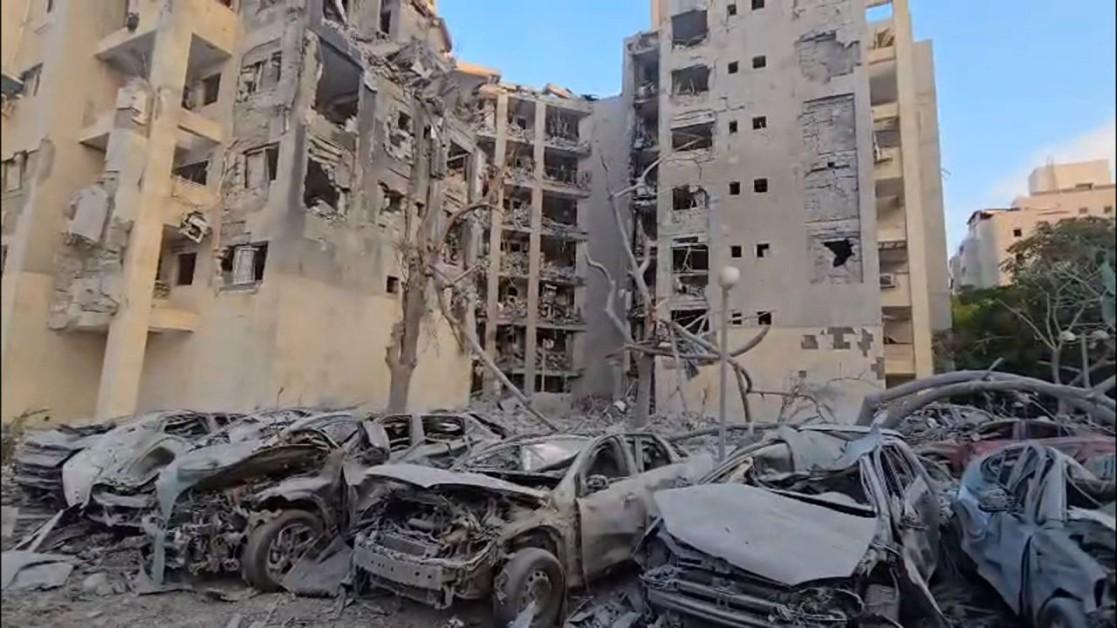
Ceasefire Negotiations Between Israel and Iran Collapse as Missile Strikes Escalate
The long-simmering conflict between Israel and Iran took a volatile turn this week as ceasefire negotiations, once seen as a glimmer of hope for peace in the region, rapidly disintegrated following a new exchange of missile strikes. While global powers urged restraint, both nations instead traded accusations and hardened their stances, raising fears of a wider regional conflict in the Middle East.
Tensions reached a boiling point when multiple missile launches were reported over Tel Aviv and the outskirts of Tehran within a 48-hour period. Iran claimed that its airspace had been violated by Israeli drones and that its retaliatory strikes were “defensive in nature.” Israel, meanwhile, alleged that Iran initiated unprovoked attacks on military installations and civilian targets, prompting a firm military response.
The latest developments come after weeks of behind-the-scenes negotiations facilitated by mediators from Turkey, Qatar, and Switzerland. Hopes were initially high, with reports suggesting both countries were open to a phased ceasefire agreement that would include restrictions on weapons testing, withdrawal of proxy forces, and humanitarian aid corridors.
However, insiders say the talks quickly deteriorated after a classified Israeli intelligence report was leaked, suggesting Tehran’s involvement in equipping Hezbollah with long-range missiles capable of striking central Israel. Iran called the report “fabricated war propaganda,” but the damage was already done. Talks stalled, and military posturing resumed.
International leaders, including UN Secretary-General António Guterres and US Secretary of State Antony Blinken, have called for immediate de-escalation. The United Nations Security Council convened an emergency meeting, where members expressed alarm over the potential humanitarian catastrophe should the situation spiral into full-scale war.
Amid the chaos, civilians on both sides bear the brunt. In southern Lebanon and northern Israel, border towns have been evacuated. Tehran imposed curfews in several provinces. Israeli emergency services reported over 100 missile-related incidents in 48 hours, while Iran’s Revolutionary Guards confirmed damage to several air defense installations.
Analysts say the conflict now extends beyond traditional battlefields. Cyberattacks have surged, disrupting communications, energy grids, and financial systems in both nations. “We are looking at a hybrid war scenario—missiles, drones, and cyberwarfare—unfolding in real time,” said Middle East expert Dr. Leila Haroun from the University of London.
Despite the worsening situation, backchannel diplomacy hasn’t completely ceased. Sources indicate that Omani and Russian diplomats are still engaging both sides in shuttle diplomacy. Yet, without trust or a neutral broker with real leverage, the prospect of a truce remains distant.
The breakdown of talks is also a blow to regional economic plans. The Abraham Accords-driven trade expansions, Middle East energy corridor projects, and Gulf tourism investments all stand threatened by the shadow of escalating violence between two of the region’s most powerful adversaries.
As Israel and Iran continue to exchange threats and firepower, the world watches with bated breath. The Middle East, already a powder keg of fragile alliances and volatile ideologies, teeters on the edge of another historic conflict. Whether diplomacy can pull it back from the brink remains uncertain—but the urgency to act has never been greater.
 Related News
POST A COMMENT (0)
All Comments (0)
Replies (0)