





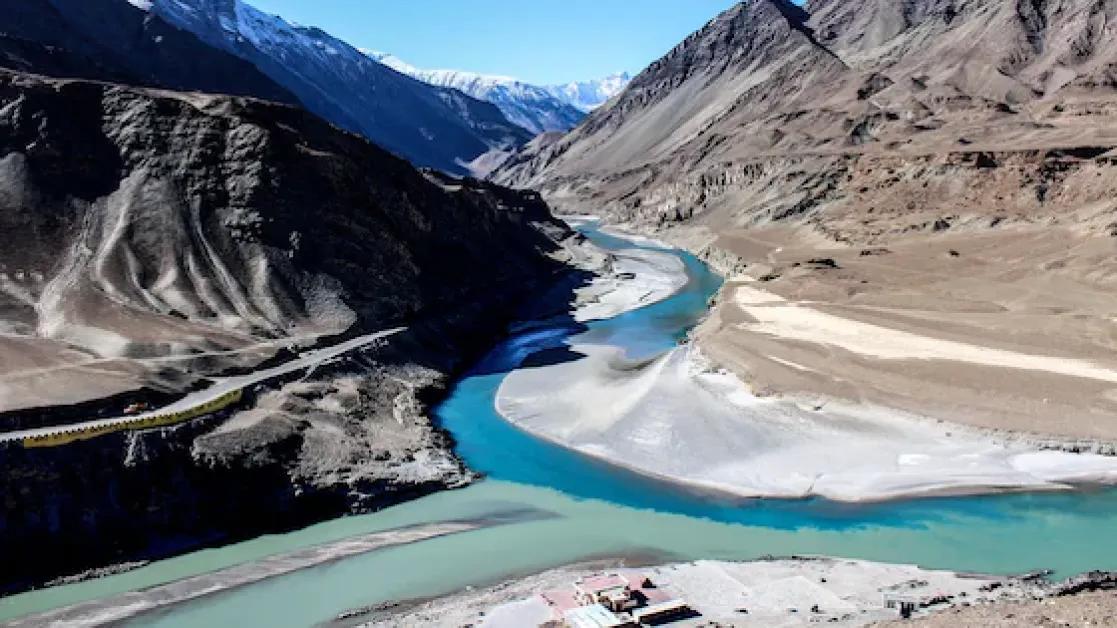
The Indus Waters Treaty (IWT) of 1960 has long been hailed as one of the world’s most successful examples of water diplomacy, enduring through multiple wars and crises between India and Pakistan. However, with rising political tensions, changing global dynamics, and increasing domestic pressures, questions are now surfacing: Is India planning to end the Indus Waters Treaty?
This speculation has triggered intense debate across diplomatic circles, agriculture sectors, and international institutions. Ending the treaty could redefine water security, agriculture, and political stability not just between India and Pakistan, but across the broader South Asian region.
A Brief Recap: What is the Indus Waters Treaty?
Signed on September 19, 1960, with the World Bank as a broker, the Indus Waters Treaty allocated the waters of the six rivers of the Indus system between India and Pakistan:
-
Eastern Rivers (Ravi, Beas, Sutlej): Full control was given to India.
-
Western Rivers (Indus, Jhelum, Chenab): Allocated primarily to Pakistan, with India allowed limited non-consumptive use such as hydropower and irrigation.
The treaty established the Permanent Indus Commission for dispute resolution and continuous cooperation. Despite several military conflicts and periods of extreme hostility, both countries adhered to the treaty’s provisions for over six decades — a rare example of stability in an otherwise volatile bilateral relationship.
Growing Frustrations: Why is India Reconsidering?
Several recent developments have fueled India’s frustration with the treaty:
-
Cross-border terrorism and attacks: Following high-profile terror attacks such as the Uri and Pulwama incidents, public opinion and political leadership in India have questioned why such a cooperative agreement should continue with a hostile neighbor.
-
Strategic leverage: Water, being a critical resource, is seen as a potential tool for exerting pressure. Suspending or renegotiating the treaty is viewed by some strategists as a way to gain diplomatic and strategic advantage over Pakistan.
-
Unfair restrictions: Indian policymakers argue that the treaty unfairly limits India’s ability to utilize its share of the western rivers. Projects like Kishanganga and Ratle hydropower plants have faced objections from Pakistan under treaty terms, even though they comply with the agreement.
-
Climate change and domestic water needs: Increasing water scarcity and the urgent need to secure water for India’s growing population and agricultural demands are placing additional pressure on the government to reconsider old arrangements.
What Would Ending the Indus Waters Treaty Mean?
Should India formally decide to withdraw or suspend the Indus Waters Treaty, several major consequences could follow:
For Pakistan
-
Severe water shortage: Around 90% of Pakistan’s agriculture relies on the Indus system. Disruption would devastate food production, risking economic collapse in agrarian regions.
-
Energy crisis: Pakistan’s hydropower generation would suffer, leading to blackouts and further economic strain.
-
Social unrest: Water scarcity could lead to mass protests, rural discontent, and even internal instability.
-
Appeal to international bodies: Pakistan could escalate the matter to the United Nations or the International Court of Justice, framing it as a humanitarian crisis.
For India
-
Diplomatic backlash: Scrapping a World Bank-brokered treaty could damage India’s international reputation as a responsible global power.
-
Risk of escalation: Water is an existential issue; Pakistan could react aggressively, increasing military tensions.
-
Implementation hurdles: Technically, blocking river flows would require massive new infrastructure and could take years.
For the Region
-
Increased militarization: Water disputes could add a new layer of instability in an already volatile region.
-
Humanitarian concerns: International organizations may be forced to intervene to prevent a full-blown crisis.
-
Ripple effects: Other regional water-sharing agreements (like those between India, Bangladesh, and Nepal) could also come under stress.
Is It Even Possible to End the Treaty?
Legally, the Indus Waters Treaty does not contain a withdrawal clause. That means India cannot unilaterally "exit" the treaty without serious diplomatic consequences. However, India could technically:
-
Reinterpret the treaty terms more assertively.
-
Maximize use of its allocated share from the western rivers without breaking the treaty.
-
Slow-walk cooperation and project clearances, subtly altering the status quo without officially terminating the treaty.
There is also the 1969 Vienna Convention on the Law of Treaties, which allows for withdrawal under certain conditions, like a "fundamental change of circumstances." However, this would be a legally and diplomatically messy route.
India’s Recent Moves
Since 2016, following the Uri attack, India has intensified its focus on fully utilizing its share of the eastern rivers and minimizing water flow into Pakistan. Projects like the Shahpur-Kandi Dam, Ujh multipurpose project, and plans to store eastern river waters are part of this broader strategy.
In early 2023, India issued a notice to Pakistan seeking modification of the treaty, citing Pakistan’s repeated objections and delays on Indian hydropower projects as "intransigence." This marks a major shift from previous decades of passive treaty compliance.
Conclusion: A Historic Turning Point?
The Indus Waters Treaty has long been a symbol of coexistence amid conflict. However, changing political, environmental, and strategic factors have pushed it to a critical juncture. Whether India truly moves to end or modify the treaty, or simply maximizes its legal rights under it, will have profound consequences — not just for India and Pakistan, but for global water diplomacy.
The world watches closely as South Asia stands at a potential water war threshold. Whether diplomacy can once again triumph over confrontation remains to be seen.
 Related News
POST A COMMENT (0)
All Comments (0)
Replies (0)