





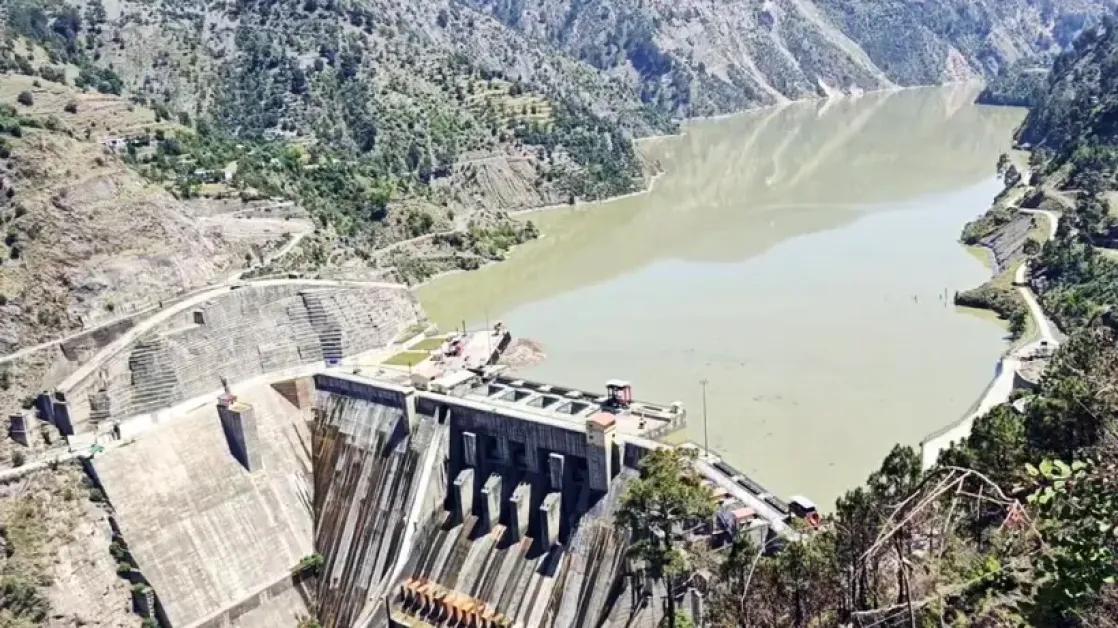
Pakistan's Vulnerability: What Happens if the Indus River System is Cut Off?
The Indus River system is the lifeline of Pakistan, providing essential water resources for agriculture, drinking, and industrial use. With approximately 90% of Pakistan’s agricultural output dependent on the waters from the Indus and its tributaries, any significant disruption in the river's flow would have disastrous consequences for the nation. This article explores the potential ramifications for Pakistan if the Indus Waters Treaty (IWT) is compromised and water from the Indus River system is cut off, leading to agricultural, economic, and geopolitical crises.
The Indus River System: A Lifeline for Pakistan
The Indus River and its five major tributaries—Jhelum, Chenab, Ravi, Sutlej, and Beas—form the backbone of Pakistan’s water resources. The river system supports the country’s agricultural sector, which is crucial to its economy and food security. For decades, the Indus Waters Treaty, signed between India and Pakistan in 1960, has governed the distribution of water from this river system, with India controlling the waters of the Ravi, Sutlej, and Beas rivers, and Pakistan having control over the Indus, Jhelum, and Chenab rivers.
This division has largely held despite political tensions, providing a rare example of cooperation between the two nuclear-armed nations. However, if India were to suspend or cut off the flow of water to Pakistan, the impacts would be catastrophic.
Agricultural Collapse: The Heart of Pakistan’s Crisis
Pakistan’s agriculture relies heavily on the Indus River system for irrigation. The Punjab region, often referred to as the "breadbasket" of Pakistan, produces a significant portion of the nation’s food crops, including wheat, rice, and cotton. These crops require a consistent and reliable water supply, particularly during the crucial growing seasons.
If the flow of water is reduced or completely cut off, Pakistan’s agricultural output would plummet. Irrigation systems dependent on the Indus River would dry up, leading to crop failures, devastating local economies, and triggering food shortages. Rice, which is a staple crop and one of Pakistan's key exports, would be particularly hard hit. The reduction in cotton production could also have far-reaching consequences for the textile industry, one of the largest sectors in Pakistan’s economy.
Furthermore, the wheat harvest, critical for both domestic consumption and export, could experience a severe decline. This would not only harm food security but also raise food prices, making it more difficult for millions of Pakistanis to access affordable nourishment.
Economic Decline and Resource Scarcity
Beyond agriculture, the Indus River plays a pivotal role in powering Pakistan’s industrial sector, particularly in hydropower generation. Several key hydroelectric dams, such as Mangla and Tarbela, depend on the waters of the Indus River to generate electricity. A disruption in the flow of water would significantly impact energy production, leading to electricity shortages and increased power costs. This would further strain Pakistan’s industrial and commercial sectors, which already face challenges due to energy deficits.
With agriculture and energy at risk, the broader Pakistani economy would enter a downward spiral. The loss of agricultural productivity would impact both domestic industries and international trade. The country's GDP growth would slow drastically, exacerbating poverty, unemployment, and social inequality.
Social Unrest and Political Instability
As agricultural and industrial sectors falter, social unrest could emerge. The Indus River is not just an economic resource; it is also a social and cultural symbol for Pakistan. Its disruption could lead to inter-provincial conflicts over water rights, particularly between the Punjab and Sindh regions, which are both heavily reliant on the river. Farmers, communities, and regional leaders could protest against the government’s failure to manage the crisis, leading to further political instability.
Moreover, the migration of people from rural areas facing water scarcity could add pressure to urban centers, leading to increased poverty and competition for resources in cities. The displacement of communities and tensions over water access could fuel ethnic and political conflicts, threatening the stability of Pakistan’s democratic institutions.
Humanitarian Crisis: Water for Drinking and Health
Beyond agriculture and industry, the loss of water would create a humanitarian disaster. With approximately 100 million people relying on the Indus for their daily drinking water needs, a disruption in its flow could lead to severe water shortages. Access to clean water is already a critical issue in Pakistan, with the country ranking among the most water-scarce nations in the world.
The lack of sufficient clean water would lead to a rise in waterborne diseases, further stressing Pakistan's healthcare system. A health crisis could be exacerbated by the inability to irrigate crops, leading to food insecurity, malnutrition, and an increased burden on already overburdened hospitals and clinics.
Geopolitical Consequences: A Regional Crisis
If India were to suspend water-sharing under the Indus Waters Treaty, it would mark a significant escalation in Indo-Pakistani tensions. Both countries would likely see a diplomatic standoff on the global stage, with Pakistan seeking to internationalize the issue, potentially involving the United Nations or World Bank for intervention. Pakistan could accuse India of violating the terms of the treaty, leading to international condemnation of India's actions.
The dispute could escalate into a broader geopolitical crisis in South Asia, with both countries possibly engaging in tit-for-tat measures or military actions in response. The region could witness further instability if international actors—especially those with interests in regional stability, such as the United States, China, and Russia—become involved in mediating the crisis.
Long-Term Environmental and Climate Change Implications
A disruption in the Indus River’s flow would also have environmental repercussions, not just for Pakistan, but for the entire Indus Basin. The entire ecosystem, which includes numerous wetlands, aquatic life, and wildlife habitats, would suffer from decreased water levels, leading to ecological imbalances. Additionally, such disruptions could accelerate glacial melt in the Himalayas, contributing to future water shortages and affecting regional water security.
Moreover, the environmental consequences could be exacerbated by climate change and poor water management, leading to long-term consequences that affect both India and Pakistan.
Conclusion: A Looming Crisis
The cutting off of the Indus River system would lead Pakistan into a state of crisis, with repercussions felt across its agriculture, economy, and society. The impact of such a disruption would go beyond economic losses, triggering social unrest, political instability, and a regional water conflict with profound humanitarian consequences.
The Indus Waters Treaty, despite its history of tension, has thus far served as a critical mechanism for maintaining peace between two nuclear-armed nations. However, any disruption in the water-sharing arrangement would expose Pakistan’s extreme vulnerability, showing just how dependent the country is on this lifeline.
The future of water diplomacy in South Asia will need to adapt to the challenges posed by these disputes, focusing on sustainable solutions that prioritize the welfare of millions of people dependent on the Indus River system.
 Related News
POST A COMMENT (0)
All Comments (0)
Replies (0)