





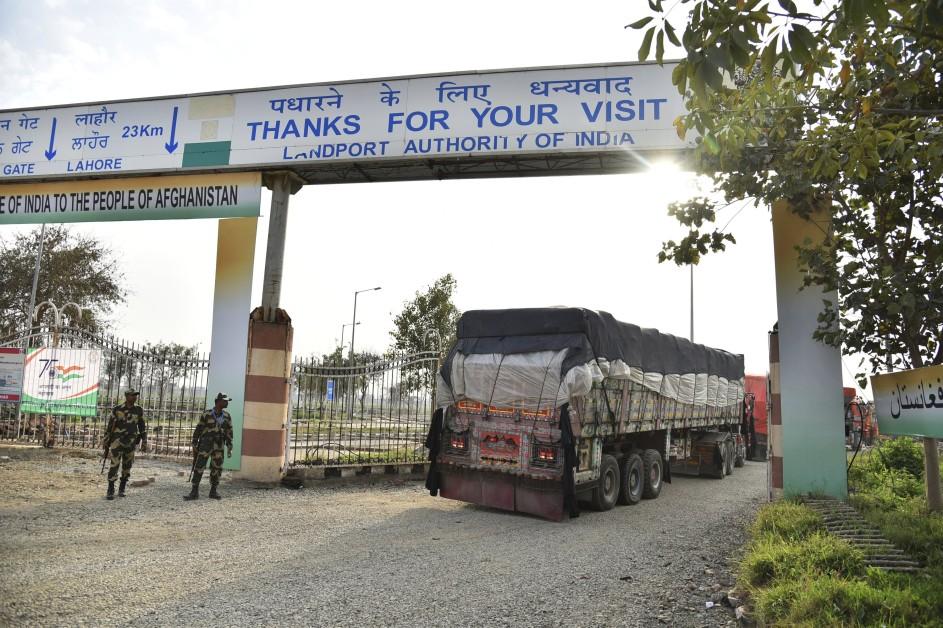
The Border Slams Shut: India Closes Main Crossing with Pakistan Amid Rising Tensions
In another staggering escalation of regional tensions, India has officially closed the primary land border crossing with Pakistan, bringing the flow of goods and people between the two nations to a screeching halt. The decision affects the Wagah-Attari border, a historically significant gateway and a lifeline for bilateral trade and civilian exchanges.
The Last Open Door – Now Shut
The Wagah-Attari crossing has long been a symbol of cautious engagement — a thin corridor through which diplomacy, trade, and hope have trickled despite the hostile history. Its closure signals the end of even limited cooperation, a move that turns a decades-old point of contact into a hard line of separation.
Why Was It Closed?
According to Indian officials, the decision was driven by heightened security threats, credible intelligence inputs regarding cross-border smuggling and infiltration attempts, and the ongoing deterioration in diplomatic ties. With rising hostilities, New Delhi determined that keeping the border open posed a national security risk.
Additionally, the recent visa cancellations, diplomatic downgrades, and military stand-offs all pointed toward a broader strategy of disengagement. This border shutdown is the latest domino to fall.
Economic Shockwaves on Both Sides
The closure is a crippling blow to border economies, particularly for local traders, truckers, farmers, and small manufacturers who relied on cross-border commerce. Key exports like Indian textiles, machinery, spices, and pharmaceuticals — and Pakistani cement, leather, fruits, and dry goods — have all been frozen in transit.
Trucks that once crossed daily now sit idle at depots. Supply chains disrupted, perishable goods rotting, contracts suspended — the economic fallout is immediate and sharp, particularly for border towns like Amritsar and Lahore.
Human Impact: Separated by Force, Not by Choice
The move also has deep human consequences. Families split across borders, pilgrims traveling for religious visits, students, and patients seeking cross-border medical treatment are now left stranded. For many, this route was a rare thread of connection in a region torn by decades of mistrust.
No Ceremonial Retreat
Even the daily Beating Retreat Ceremony at Wagah — a theatrical military ritual jointly performed by Indian and Pakistani forces — has been called off indefinitely. The symbolism is hard to miss: not just a halt in operations, but a pause in the spectacle of peace itself.
Regional and Global Ripples
Observers across the world see this as a major turning point in South Asian geopolitics. Global powers, particularly the UN and United States, are urging both nations to reopen channels of communication and avoid long-term economic and humanitarian damage. But for now, the gates remain locked.
Pakistan’s Response
Pakistan has condemned the closure as an act of economic aggression and political hostility, accusing India of violating the spirit of regional trade pacts. Islamabad is considering imposing countermeasures, including restrictions on airspace and reciprocal trade barriers.
Conclusion
The closure of the main India-Pakistan border crossing is not just a logistical decision — it is a geopolitical rupture. Trade is frozen, people are stranded, and diplomacy is on life support. In the space between two fences now lies silence — the silence of a door slammed shut on dialogue, commerce, and hope.
 Related News
POST A COMMENT (0)
All Comments (0)
Replies (0)