





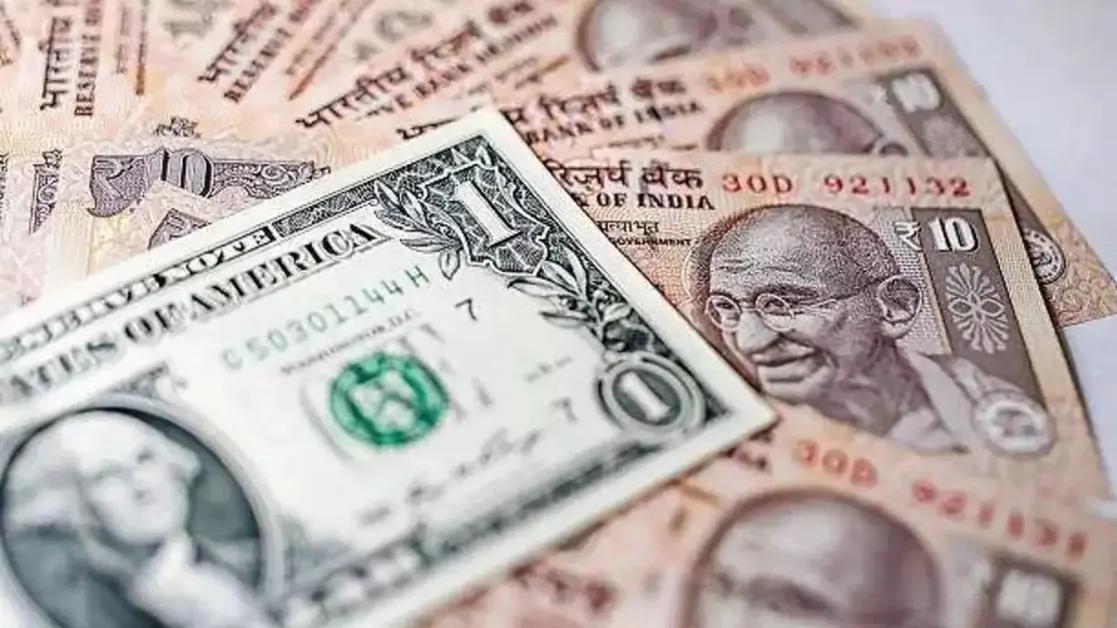
As of April 2025, the Indian rupee is trading at approximately ₹83.9 against the U.S. dollar. This depreciation has significant implications for consumers, businesses, and the overall economy.
Impact on Consumers
-
Imported Goods: A weaker rupee makes imported products more expensive. This includes electronics, luxury items, and certain food products, leading to higher retail prices for consumers.
-
Fuel Prices: India imports a substantial portion of its crude oil. A depreciated rupee increases the cost of oil imports, potentially leading to higher fuel prices domestically.
-
Travel and Education Abroad: For individuals planning to travel or study overseas, expenses in foreign currencies become costlier, impacting budgets and financial planning.
Economic Implications
-
Inflation: Increased import costs can contribute to overall inflation, affecting the purchasing power of consumers.
-
Trade Balance: While exports may become more competitive due to a weaker rupee, the benefit is often offset by the higher cost of imported raw materials and goods.
-
Foreign Investment: Currency volatility can influence foreign investment flows. A depreciating rupee might deter investors concerned about currency risk.
Factors Contributing to Rupee Depreciation
-
Global Economic Trends: Strengthening of the U.S. dollar, changes in interest rates, and global economic uncertainties can impact the rupee's value.
-
Geopolitical Events: Regional tensions and global conflicts can lead to market volatility, affecting investor confidence and currency stability.
-
Domestic Economic Indicators: Trade deficits, inflation rates, and economic growth figures play a role in currency valuation.
Government and RBI Measures
The Reserve Bank of India (RBI) monitors currency movements and may intervene in the foreign exchange market to stabilize the rupee. Such interventions can include selling or buying foreign currency reserves to manage volatility.
 Related News
POST A COMMENT (0)
All Comments (0)
Replies (0)