





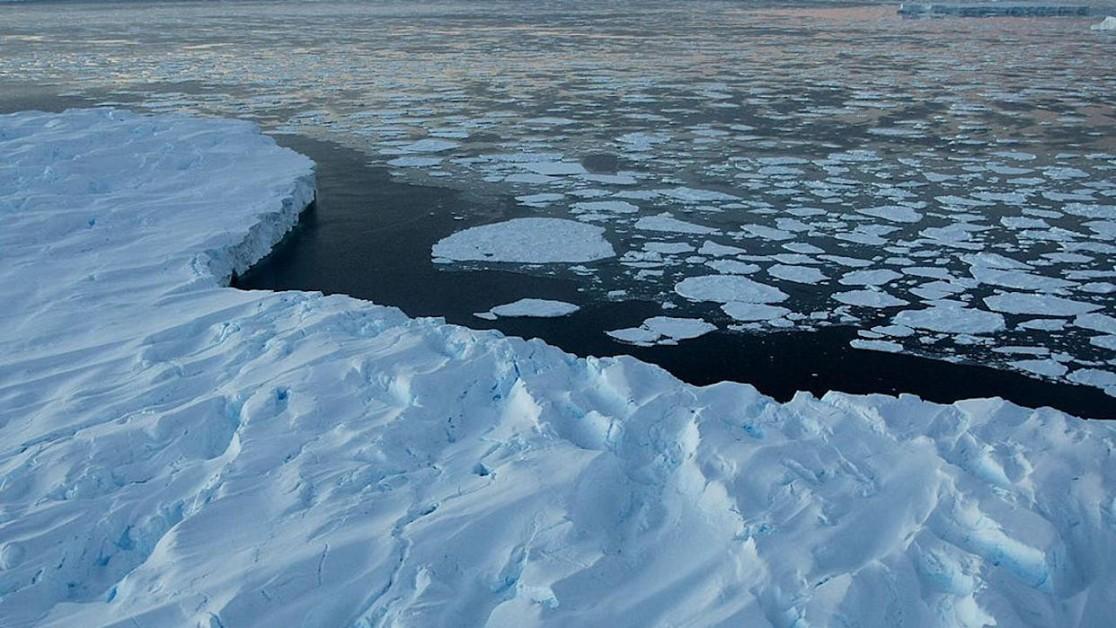
In a surprising and rare development, Antarctica has recorded a net gain in ice mass—the first such occurrence in decades, according to newly released satellite data from global climate monitoring agencies. The finding has caught the attention of scientists, policymakers, and environmental activists alike, as it defies the long-standing trend of polar ice decline.
For years, Antarctica has been a symbol of climate crisis, consistently losing ice at accelerating rates due to rising global temperatures. But this year, data from NASA and the European Space Agency shows a modest but measurable increase in overall ice coverage and thickness across parts of East Antarctica and the central plateau.
Experts caution that while the gain is noteworthy, it does not reverse the larger trend of polar melting, especially in West Antarctica, where glaciers continue to retreat rapidly. However, they agree that this anomaly offers a moment of hope—and a call for closer examination of Earth’s complex climate systems.
Meteorologists attribute the gain to a combination of rare atmospheric patterns, cooler ocean temperatures around the continent, and an increase in snowfall across the high-altitude interior. “This isn’t a sign that climate change is over,” said Dr. Erika Jensen, a polar climate expert. “But it is a reminder that climate behavior is not linear and can produce short-term surprises.”
The development has sparked heated discussion in climate circles. While some skeptics are using it to downplay global warming, scientists urge context. “A single year of ice gain doesn’t erase 40 years of loss,” said Dr. Luis Romero of the IPCC. “But it does remind us that we must continuously improve our models and data interpretations.”
Environmental groups welcomed the news but remained cautious. “It’s a breather, not a breakthrough,” said one Greenpeace climate lead. “We still need urgent action globally to limit warming and protect polar regions.”
This rare shift comes at a time when the world is preparing for the next round of international climate talks, and it’s likely this Antarctic surprise will become a key talking point—highlighting both the challenges and unpredictability of Earth’s evolving climate.
 Related News
POST A COMMENT (0)
All Comments (0)
Replies (0)