





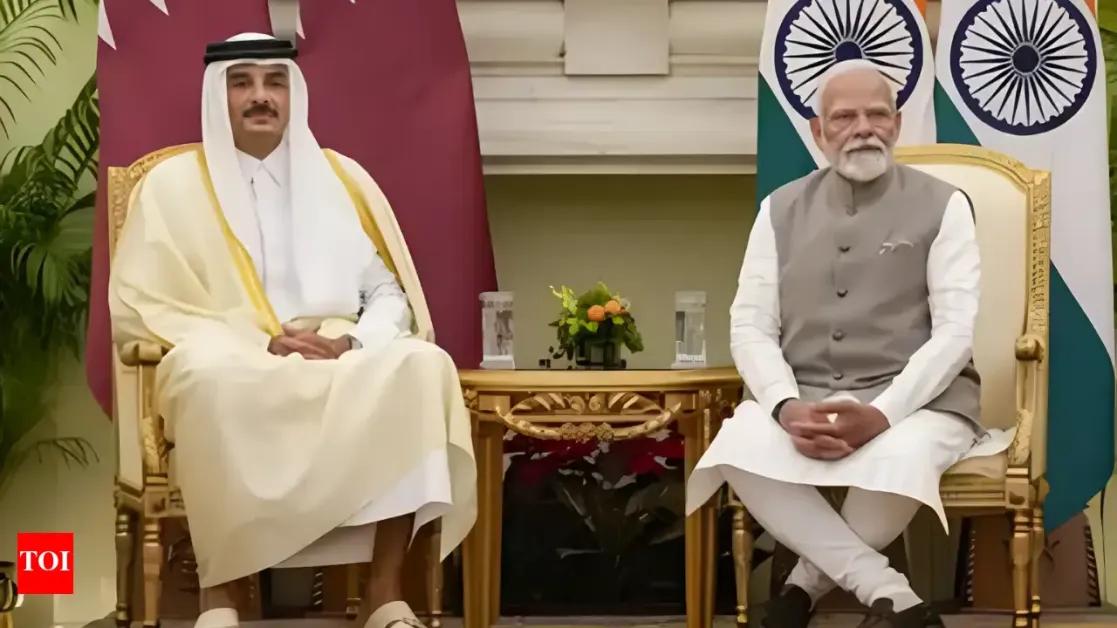
In a significant diplomatic development, the Amir of Qatar has personally called Indian Prime Minister Narendra Modi to convey Qatar’s full support in India’s ongoing fight against terrorism. The call, confirmed by the Ministry of External Affairs, comes at a time of heightened security concerns and follows recent counterterrorism actions by Indian forces in the region.
According to official statements, the Amir expressed solidarity with the Indian people and reaffirmed Qatar’s commitment to peace, stability, and global cooperation against terrorism. He is said to have praised India’s “measured but firm” approach in dealing with threats and extended Qatar’s willingness to enhance intelligence-sharing and joint strategic efforts.
This outreach is viewed by analysts as a notable moment in India-Middle East relations, particularly as Qatar has traditionally maintained a balanced diplomatic posture in South Asian affairs. The Gulf state’s public stance is being seen as an endorsement of India’s counterterrorism narrative on the international stage.
Diplomatic insiders reveal that the call also touched upon wider cooperation in energy security, investment, and regional peace, but the core emphasis remained on terrorism. India, which recently intensified its security operations following attacks believed to be orchestrated by cross-border extremist groups, is looking to fortify global partnerships in the war against radicalism.
Prime Minister Modi welcomed the Amir’s support, calling it a reflection of “shared values and a joint commitment to a safer world.” The statement from the PMO highlighted the “deepening friendship and mutual respect between the two nations.”
The timing of the call, as tensions rise across South Asia following high-profile counterstrike operations, sends a strong message to nations perceived to be tolerating or harboring extremist elements.
Observers believe this show of support from Qatar could pave the way for a broader Middle Eastern coalition with India on security matters—marking a subtle but powerful shift in the region’s geopolitical tone.
 Related News
POST A COMMENT (0)
All Comments (0)
Replies (0)