





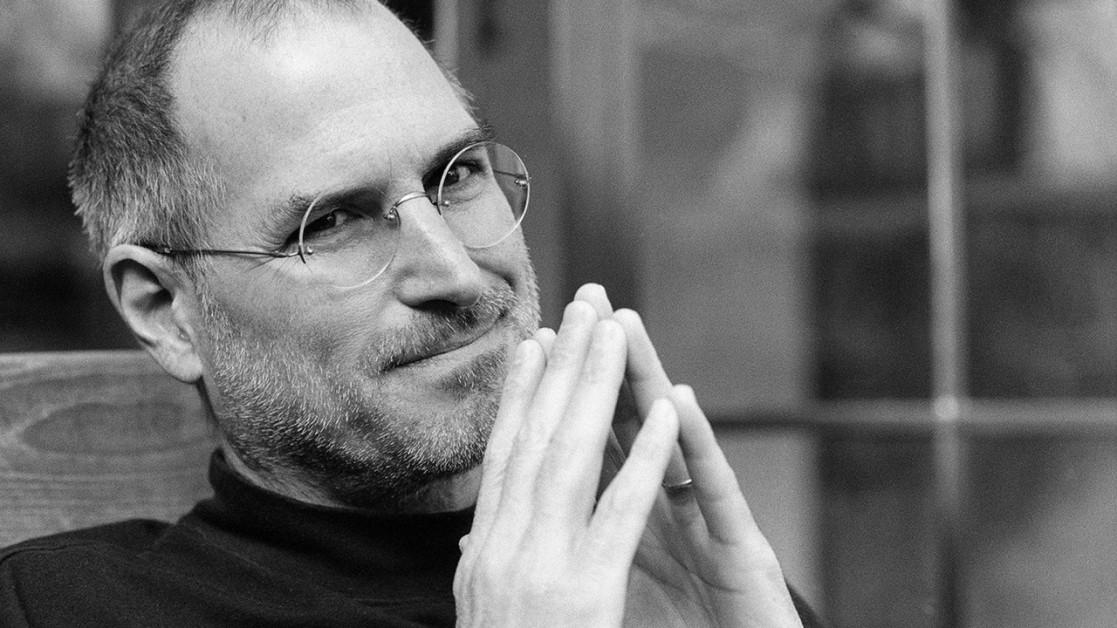
Steve Jobs: The Visionary Who Changed the World
Table of Contents
-
Introduction – The Man Who Thought Different
-
Early Life and Childhood (1955–1971)
-
Reed College and the Quest for Meaning (1972–1974)
-
Meeting Steve Wozniak and the Birth of Apple (1975–1976)
-
Apple I and Apple II – The First Breakthrough (1976–1979)
-
The Macintosh Revolution (1980–1985)
-
The Power Struggle and Ouster from Apple (1985)
-
NeXT and the Pursuit of Perfection (1985–1996)
-
Acquiring Pixar and Revolutionizing Animation (1986–1995)
-
Return to Apple and the iMac Era (1997–2000)
-
The Digital Hub Strategy and iTunes (2001)
-
iPod – Music in Your Pocket (2001–2006)
-
iPhone – Reinventing the Phone (2007)
-
App Store and the Mobile Ecosystem (2008–2010)
-
iPad and the Post-PC Vision (2010)
-
Design Philosophy – Simplicity, Elegance, and User Experience
-
Management Style – Inspiration and Controversy
-
Personal Life – Family, Relationships, and Beliefs
-
Battles with Illness (2003–2011)
-
Final Products and Farewell (2011)
-
Death and Global Legacy (October 5, 2011)
-
Impact on Technology, Business, and Culture
-
Criticism, Flaws, and Complex Personality
-
Quotes That Define Steve Jobs
-
Conclusion – Why the World Still Misses Him
1. Introduction – The Man Who Thought Different
Steve Jobs wasn’t just a businessman. He was a cultural icon, a storyteller, a perfectionist, and, in many ways, a rebel who reshaped multiple industries — personal computing, music, animation, mobile phones, and tablets — and left behind a legacy that continues to influence the way we live and work.
From a garage in Los Altos to the global stage, Jobs’ journey was filled with vision, risk, failure, and comeback. His mantra, “Stay hungry, stay foolish,” became a rallying cry for innovators worldwide.
2. Early Life and Childhood (1955–1971)
Steven Paul Jobs was born on February 24, 1955, in San Francisco, California. He was the biological son of Abdulfattah Jandali, a Syrian Muslim graduate student, and Joanne Schieble, an American Catholic. Due to their circumstances, Steve was adopted shortly after birth by Paul and Clara Jobs, a working-class couple in Mountain View, California.
Childhood Curiosity
-
Grew up in the Santa Clara Valley, later known as Silicon Valley.
-
Fascinated by electronics from a young age — his father taught him how to take apart and reassemble machines.
-
Had a rebellious streak, often resisting authority in school but excelling when interested.
3. Reed College and the Quest for Meaning (1972–1974)
After graduating from Homestead High School in 1972, Jobs enrolled at Reed College in Oregon. But he dropped out after just one semester, believing it was a waste of his adoptive parents’ money.
However, he continued auditing classes he was interested in, notably calligraphy, which would later influence Apple’s attention to typography.
During this period:
-
Lived a countercultural lifestyle.
-
Traveled to India in 1974 in search of spiritual enlightenment.
-
Experimented with diets, fasting, and meditation.
4. Meeting Steve Wozniak and the Birth of Apple (1975–1976)
Jobs reconnected with Steve Wozniak, a talented engineer he had met years earlier.
They started building a personal computer in Jobs’ family garage. The first product, Apple I, was a simple circuit board.
-
Founded Apple Computer Company on April 1, 1976.
-
Jobs’ role: visionary and marketer; Wozniak: technical genius.
-
Sold their first batch to Byte Shop for $500 each.
5. Apple I and Apple II – The First Breakthrough (1976–1979)
The Apple II, released in 1977, became one of the first mass-market personal computers.
It brought color graphics to mainstream computing and made Apple a household name.
By 1980:
-
Apple went public, making Jobs a multimillionaire at just 25.
-
Sales soared into the hundreds of millions.
6. The Macintosh Revolution (1980–1985)
Jobs spearheaded the Macintosh project, inspired by Xerox PARC’s GUI (graphical user interface).
Released in 1984, the Mac introduced the mouse-driven interface to the masses.
But:
-
The Macintosh was expensive and initially underperformed in sales.
-
Internal power struggles began between Jobs and then-CEO John Sculley.
7. The Power Struggle and Ouster from Apple (1985)
In 1985, after a failed boardroom coup, Jobs was forced out of Apple, the very company he founded.
His reaction:
“I was publicly out. It was devastating, but it turned out to be the best thing that ever happened to me.”
8. NeXT and the Pursuit of Perfection (1985–1996)
Jobs founded NeXT Inc., a company that made high-end workstations for education and business.
Although NeXT computers were admired for their design, they were commercially unsuccessful.
9. Acquiring Pixar and Revolutionizing Animation (1986–1995)
In 1986, Jobs bought The Graphics Group from Lucasfilm for $10 million, renaming it Pixar.
Pixar went on to produce Toy Story (1995), the first fully computer-animated feature film, sparking a new era in animation.
10. Return to Apple and the iMac Era (1997–2000)
Apple bought NeXT in 1996, bringing Jobs back. By 1997, he became interim CEO and revived the company:
-
Launched the colorful iMac G3 (1998).
-
Simplified Apple’s product line.
-
Revamped marketing with the iconic “Think Different” campaign.
11–15. The Golden Era: iPod, iTunes, iPhone, App Store, iPad
Jobs transformed Apple into the center of digital lifestyle products:
-
2001: iPod + iTunes Store changed music.
-
2007: iPhone redefined mobile communication.
-
2008: App Store created a new app economy.
-
2010: iPad pioneered the tablet market.
16–18. Philosophy, Leadership, and Personal Life
-
Obsessed with simplicity and design.
-
Known for demanding perfection from teams.
-
Had a complex personality: inspirational yet sometimes abrasive.
-
Married Laurene Powell in 1991; three children together, plus a daughter from an earlier relationship.
19–21. Illness, Final Years, and Death
Diagnosed with a rare form of pancreatic cancer in 2003.
Fought illness for years while continuing to lead Apple.
Resigned as CEO in August 2011.
Died on October 5, 2011, at age 56.
22–25. Legacy, Impact, and Conclusion
Jobs’ innovations revolutionized:
-
Computing (Mac)
-
Music (iPod, iTunes)
-
Telecom (iPhone)
-
Media (Pixar)
-
Retail (Apple Store)
 Related News
POST A COMMENT (0)
All Comments (0)
Replies (0)