





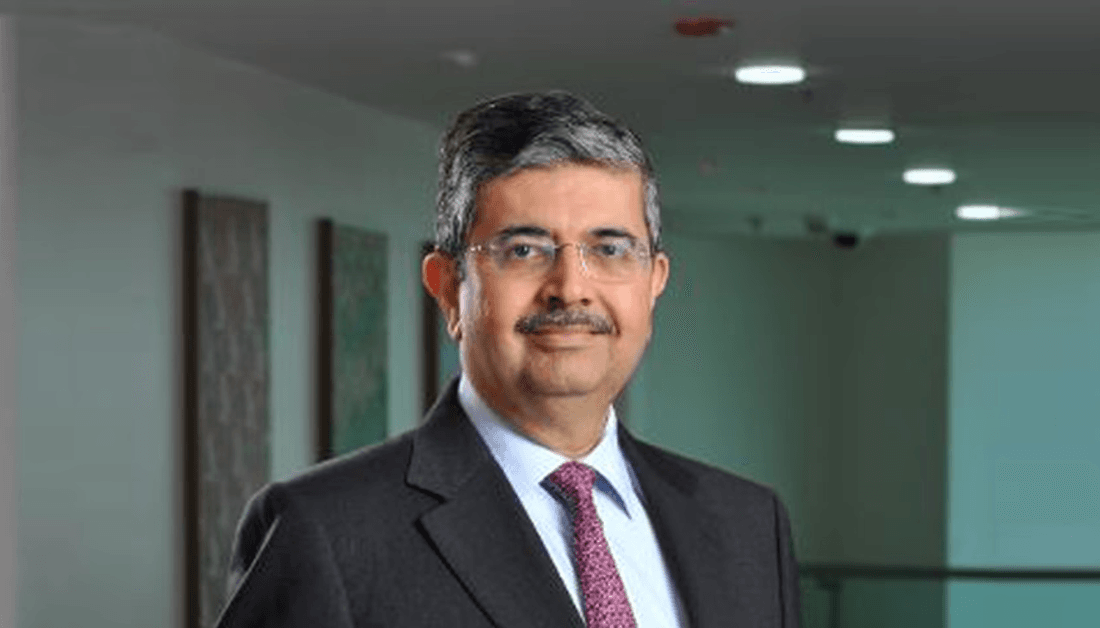
Uday Kotak – The Banker Who Reimagined India’s Financial Landscape
Uday Kotak is one of India’s most influential entrepreneurs, a pioneer who redefined modern banking through strategic foresight, innovation, and integrity. As the founder and former CEO of Kotak Mahindra Bank, he stands as a symbol of self-made success in India’s financial sector. His journey—from a middle-class background in Mumbai to building one of the country’s most valuable private banks—reflects persistence, prudence, and visionary thinking.
Early Life and Education
Uday Kotak was born on May 15, 1959, into a conservative Gujarati family in Mumbai. His family was engaged in the cotton trading business, and like many Indian households at the time, they valued education, discipline, and financial prudence. Growing up in a joint family, Uday learned early lessons about money management, trust, and entrepreneurship.
As a teenager, he was deeply interested in mathematics, cricket, and music. In fact, he was an accomplished sitar player during his school days and considered a career in cricket before shifting focus to academics. These teenage years instilled in him both creativity and a sense of competition—traits that later defined his business approach.
He graduated with a Bachelor’s degree in Commerce from Sydenham College, Mumbai, and later earned his MBA from Jamnalal Bajaj Institute of Management Studies. During his MBA years, India’s economy was still largely controlled by state-owned enterprises, and private finance was in its infancy. Uday saw opportunity where others saw limitation—a mindset that would set him apart in the years to come.
The Birth of Kotak Mahindra – A Modest Start
After completing his MBA in 1982, Uday Kotak declined several lucrative job offers from multinational corporations. Instead, he decided to start his own venture, believing that India needed financial institutions built on trust and innovation.
With a small seed capital of Rs. 30,000, borrowed from family and friends, he launched Kotak Capital Management Finance Ltd.—a company initially focused on bill discounting and trade finance. His sharp financial acumen and risk management skills quickly made him a reliable name in corporate circles.
By the late 1980s, his company had diversified into leasing and hire purchase, providing flexible financial solutions to Indian businesses. Uday Kotak’s philosophy was simple yet profound—grow conservatively, maintain transparency, and prioritize the customer.
His first major break came in 1986 when Mahindra & Mahindra, one of India’s leading industrial groups, took a significant stake in his company. This partnership led to the rebranding of the firm as Kotak Mahindra Finance Ltd., marking the beginning of a long and successful journey.
Transformation into a Banking Giant
Throughout the 1990s, as India liberalized its economy, Uday Kotak recognized that the future lay in full-scale banking. He steadily expanded into investment banking, car finance, stockbroking, and mutual funds. Each move was calculated, aligning with India’s economic reforms and the growing appetite for financial services.
In 2003, Kotak Mahindra Finance made history by becoming India’s first non-banking finance company (NBFC) to receive a banking license from the Reserve Bank of India. This transformation into Kotak Mahindra Bank marked a watershed moment in Indian financial history.
Uday Kotak’s focus on ethical banking, customer trust, and strong governance helped the bank earn credibility rapidly. Within a decade, Kotak Mahindra Bank emerged as one of India’s most profitable and respected private banks.
Leadership and Vision
Uday Kotak’s leadership philosophy rests on prudence, long-term vision, and conservative growth. Unlike many aggressive bankers who chased quick profits, Kotak built his empire brick by brick, ensuring that risk never outpaced opportunity.
He is known for saying, “Return of capital is more important than return on capital,” emphasizing financial discipline over reckless expansion. Under his leadership, Kotak Mahindra Bank expanded into retail banking, insurance, wealth management, and investment advisory—all under a unified brand known for integrity.
Kotak’s approach to leadership is deeply rooted in meritocracy. He believes in empowering young professionals and encouraging innovative thinking while maintaining accountability. His steady hand guided the bank through major financial crises, including the 2008 global recession and the 2020 pandemic, without compromising stability or reputation.
The Merger with ING Vysya – A Bold Strategic Move
In 2015, Uday Kotak executed one of the most significant mergers in Indian banking history by acquiring ING Vysya Bank. This strategic move expanded Kotak Mahindra Bank’s reach across southern India, broadened its customer base, and positioned it among the top five private sector banks in the country.
This merger showcased Uday Kotak’s ability to blend vision with execution—creating synergies without losing the personalized banking ethos that defined Kotak Mahindra.
Philanthropy and Nation Building
Beyond banking, Uday Kotak has been a strong advocate for nation-building through responsible capitalism. He has contributed extensively to education, healthcare, and social welfare through the Kotak Education Foundation, which focuses on empowering underprivileged youth through scholarships and skill development.
During the COVID-19 pandemic, Kotak and his bank donated significant funds to healthcare initiatives and relief measures, reinforcing his belief that businesses must serve society, not just shareholders.
He also served as President of the Confederation of Indian Industry (CII) and played an advisory role in several government panels focused on financial inclusion, corporate governance, and economic reform.
Awards and Recognition
Uday Kotak’s contributions to Indian banking have earned him numerous awards and accolades, including:
-
Ernst & Young World Entrepreneur of the Year (2014) – First Indian banker to win the honor.
-
Business Leader of the Year by The Economic Times.
-
Recognition among Forbes’ Billionaires List, consistently ranked among India’s richest and most respected business leaders.
His net worth, while substantial, is not what defines him—his reputation for ethics, prudence, and long-term vision sets him apart in an industry often marred by volatility.
Personal Life and Values
Uday Kotak is married to Pallavi Kotak, and they have two sons. Despite his billionaire status, he leads a modest and disciplined life. A cricket enthusiast and music lover, he often draws parallels between sportsmanship and leadership—emphasizing teamwork, strategy, and calm under pressure.
He is known for maintaining a low public profile and letting his work speak for itself. His humility, clarity of thought, and deep understanding of India’s financial fabric make him one of the most respected voices in corporate India.
Legacy and Impact
Uday Kotak’s legacy extends far beyond the balance sheets of Kotak Mahindra Bank. He symbolizes the rise of ethical entrepreneurship in a transforming India—a leader who proved that trust and transparency can coexist with profitability.
He has set new benchmarks for corporate governance and sustainable growth, inspiring a generation of entrepreneurs to dream big while staying grounded. From a small finance firm in the 1980s to a global financial powerhouse, his journey is a masterclass in vision, perseverance, and leadership.
As he gradually steps back from executive roles to focus on broader economic contributions, Uday Kotak leaves behind a blueprint for modern banking rooted in human values. His story is not just about building a bank—it’s about building faith in the Indian financial system itself.
 Related News
POST A COMMENT (0)
All Comments (0)
Replies (0)