





Startup Makes Nanocarbon for Batteries From Coconut Shells, Boosts Efficiency by 125%
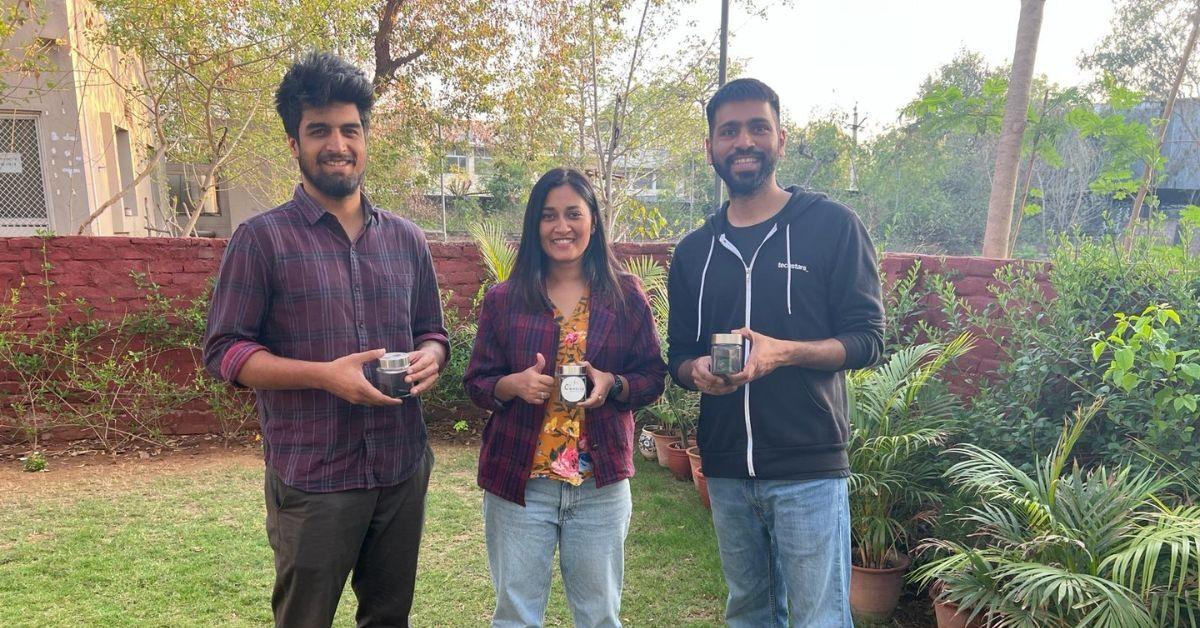
What if your next smartphone or EV battery could be powered more efficiently—thanks to a humble coconut shell? That’s the eco-revolution Jaipur-based startup Cancrie is leading. Co-founded by Akshay Jain and Mahi Singh, Cancrie has developed a patented technology that transforms discarded coconut shells into nanocarbon, significantly enhancing battery performance and longevity.
The spark behind Cancrie came from a single question: Can waste be turned into high-performance energy material? With backgrounds in chemical engineering and material science, the duo began experimenting with agricultural by-products. After years of research, they found that carbon-rich coconut shells, when processed correctly, could yield nanocarbon capable of boosting battery efficiency by 125%.
Their nanocarbon is currently being used to improve lithium-ion batteries, supercapacitors, and even energy storage systems for electric vehicles and grid infrastructure. Unlike conventional materials that require mining and complex chemical processing, Cancrie’s product is renewable, cost-effective, and environmentally safe.
One of their major wins has been creating a scalable, clean production process that emits minimal waste and carbon. Their facility in Jaipur now processes tons of coconut shells every month, sourced from local vendors and food waste suppliers. The resulting nanocarbon material is porous, highly conductive, and can easily integrate into current battery manufacturing systems.
What makes Cancrie’s story powerful is not just the tech—it’s the sustainability at its core. In a world rapidly moving toward electrification, the demand for batteries is exploding. But this demand often comes at the cost of the planet. Cancrie shows that green innovation can meet industrial-grade efficiency without sacrificing ecological responsibility.
Their work has already caught the attention of battery manufacturers, tech firms, and even government energy bodies. They’re now collaborating with international partners to scale the technology and bring their sustainable battery components to global markets.
By converting agricultural waste into energy gold, Akshay and Mahi aren’t just running a business—they’re redesigning the blueprint for future energy.
 Related News
POST A COMMENT (0)
All Comments (0)
Replies (0)