





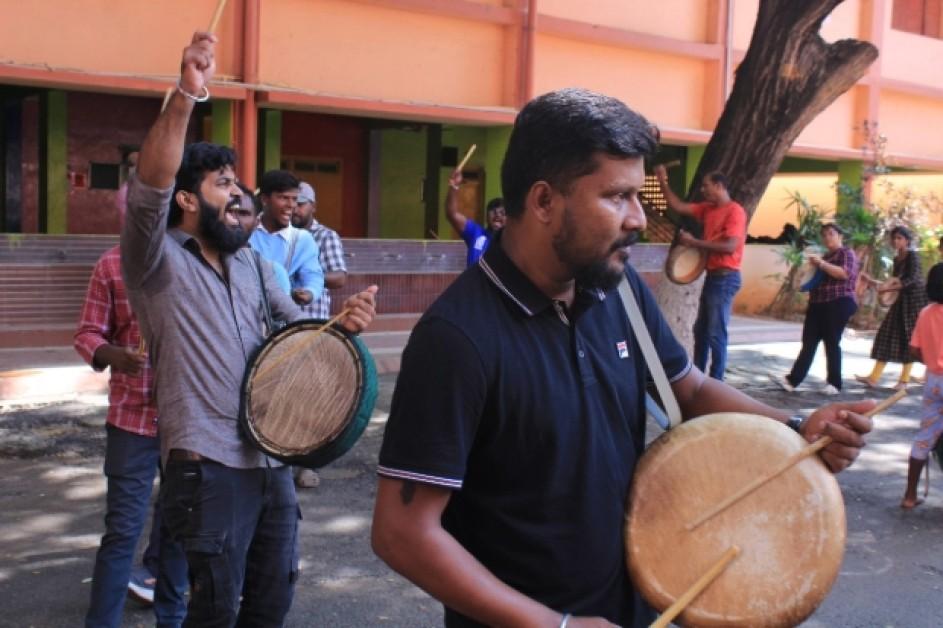
Music has long been a powerful force for social change. In India, where caste divisions have shaped society for centuries, one traditional instrument is emerging as a symbol of resistance, equality, and empowerment. By embracing this instrument, marginalized communities are not just creating music—they are challenging discrimination and reclaiming their identity.
1. The Instrument That Became a Tool for Change
The instrument in focus has deep folk and spiritual roots, once associated with lower-caste communities who were denied access to mainstream classical music. Despite its rich cultural legacy, it was historically dismissed by the elite.
However, in recent years, musicians, activists, and social reformers have started reviving and promoting it, using its sound to unite people across caste lines.
2. How It’s Breaking Barriers
-
From Exclusion to Recognition: What was once considered an instrument of the "oppressed" is now being played on global stages, earning respect across social classes.
-
Music as Protest: Artists are using it to voice struggles, spread awareness, and challenge caste-based discrimination.
-
Bridging Communities: It is now played by musicians from all backgrounds, proving that art knows no caste.
-
Economic Upliftment: Its rising popularity is creating livelihoods for traditional instrument makers, many of whom belong to marginalized communities.
3. The Road Ahead: Keeping the Movement Alive
While this transformation is promising, challenges remain. Efforts are being made to:
-
Incorporate the instrument into mainstream music and education.
-
Ensure fair opportunities for artists from marginalized backgrounds.
-
Create awareness about the cultural significance of traditional folk instruments.
Conclusion
This instrument’s journey from exclusion to empowerment proves that music has the power to dismantle barriers. As more people embrace it, the sound of change, unity, and equality grows louder—reminding us that true harmony is found in inclusion, not division.
 Related News
POST A COMMENT (0)
All Comments (0)
Replies (0)