





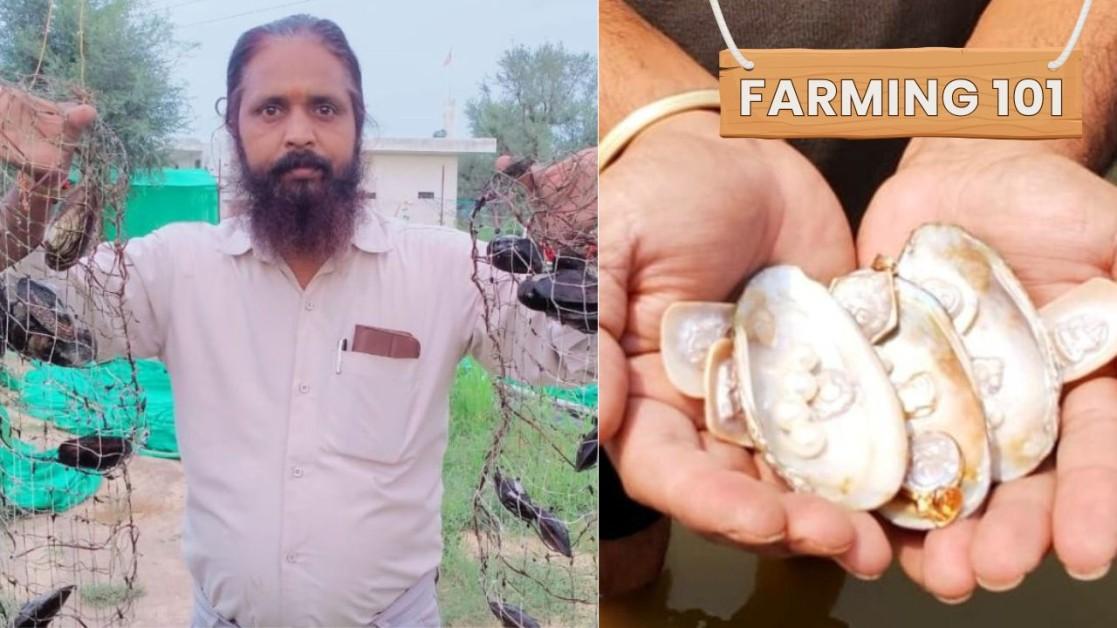
Pearl farming is quickly becoming a popular and profitable agricultural venture, with farmers earning lakhs of rupees per batch through careful planning, dedication, and the right techniques. The potential to earn up to Rs 20 lakh per batch from just a small investment has attracted many to the pearl farming business.
However, like any agricultural venture, success in pearl farming requires more than just luck. It’s about understanding the intricacies of the process and managing the environmental factors that contribute to a high-quality yield.
Here are 7 tips that experienced pearl farmers swear by, which can help you start a successful pearl farming venture and achieve impressive returns.
1. Choose the Right Location
The success of pearl farming heavily depends on the location of your farm. Since pearls are cultivated in oysters, the water quality plays a crucial role. Ideally, pearl farms should be located in calm, clean, and nutrient-rich waters. The water temperature should range from 25°C to 30°C, and the salinity levels should be between 10 and 30 parts per thousand (ppt). Coastal areas, lagoons, and protected bays are ideal for pearl farming.
Key Tip: Choose a location with clear, unpolluted water that ensures the health of the oysters. Do thorough research on local environmental conditions and consult with experts before setting up your farm.
2. Select Quality Oysters for Cultivation
The quality of oysters used in pearl farming directly impacts the quality and value of the pearls produced. Oysters should be of good size and health, as only healthy oysters can produce high-quality pearls. The two most commonly farmed species for pearls are Pinctada margaritifera (black-lipped oyster) and Pinctada fucata (white-lipped oyster).
Key Tip: Source your oysters from reputed suppliers or hatcheries, ensuring they are free from diseases and of good genetic quality to produce superior pearls.
3. Understand the Nucleation Process
Nucleation is the process where a tiny bead is implanted into the oyster to stimulate pearl formation. The timing, technique, and tools used during this process are critical. The bead, typically made of polished shell, is placed into the oyster along with a small piece of tissue. This initiates the formation of the pearl over time.
Key Tip: Invest in skilled technicians for the nucleation process, as improper implantation can lead to misshaped or non-viable pearls. Practice and precision are key for high success rates.
4. Monitor Water Quality Regularly
The health of your pearls depends on the environment in which they grow. Regularly monitor the water temperature, salinity, and cleanliness to ensure the oysters remain healthy. Maintaining optimal conditions is critical for the oysters to thrive and produce pearls.
Key Tip: Invest in water testing kits or equipment that help you keep a constant check on the water's pH, temperature, and oxygen levels. Regular water quality testing will prevent many potential issues, ensuring the oysters’ growth is not hindered.
5. Provide Proper Care and Maintenance
Just like any other form of farming, pearl farming requires ongoing care and attention. This includes maintaining the right depth for the oysters, ensuring they are properly secured in the water, and regularly cleaning the farm setup. Oysters need space to grow and develop, so overcrowding can cause stress, affecting the quality of the pearls.
Key Tip: Regularly clean the oysters, remove algae growth, and check for any damage or signs of disease. Keeping the oysters in a healthy, stress-free environment is essential for optimal pearl production.
6. Harvest at the Right Time
Pearls take time to form, typically 12-24 months depending on the type and size of the pearls. Harvesting at the right time is crucial because premature harvesting can lead to poor quality pearls, while delayed harvesting can result in the pearls becoming overgrown or misshapen.
Key Tip: Harvest pearls at the optimal growth stage. Typically, the best quality pearls are harvested between 18 to 24 months, depending on their size and the species of oyster.
7. Invest in Proper Packaging and Marketing
After harvesting the pearls, proper packaging is essential to prevent damage during storage and shipping. Furthermore, marketing your pearls in the right way will help you get the best possible price. Build relationships with jewelry manufacturers, designers, or wholesalers to market your pearls. Additionally, consider direct sales or even offering your pearls as luxury items to individual buyers.
Key Tip: Market your pearls based on their quality, uniqueness, and size. Use platforms like social media and online marketplaces to attract buyers. Also, consider developing a brand for your pearls to increase their value in the market.
Conclusion: Start Your Pearl Farming Journey Today
Pearl farming offers a highly profitable venture for those willing to dedicate time, effort, and resources. By following the tips mentioned above, you can start your journey toward a successful pearl farming business. With the right location, careful planning, and attention to detail, you can potentially earn lakhs of rupees with each batch of pearls you produce.
Remember, consistency is key. Pearl farming is not a quick-return business; it requires patience, expertise, and proper management. But with the right techniques, it can become a long-term, highly rewarding agricultural venture.
So, if you're considering entering the world of pearl farming, take these 7 essential tips into account and start your journey toward a successful, sustainable, and profitable farming business today!
 Related News
POST A COMMENT (0)
All Comments (0)
Replies (0)