





By Naina, 19th June 2026
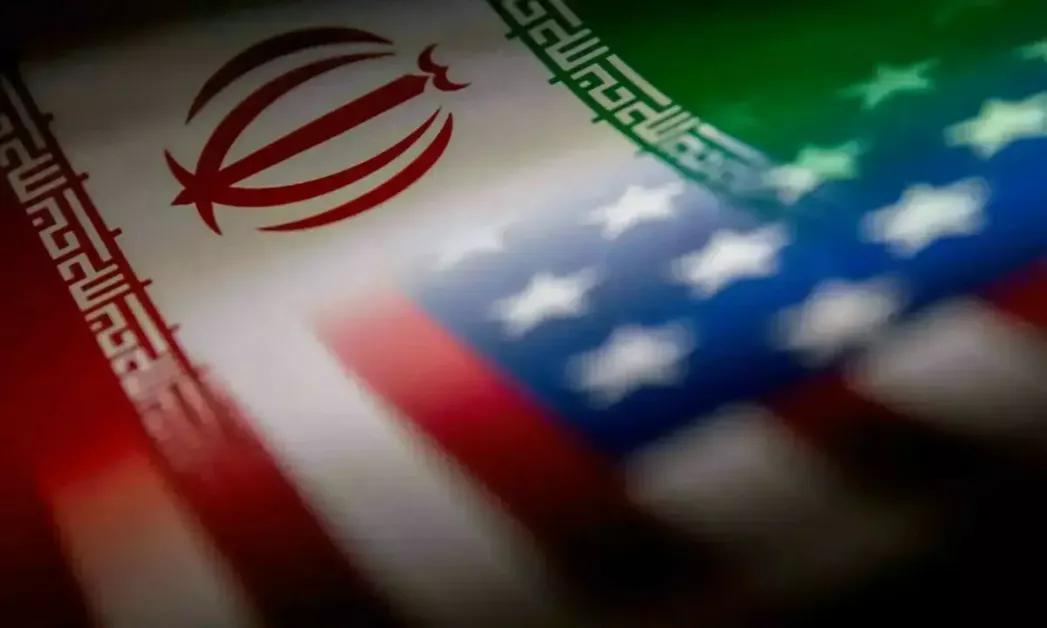
The United States and Iran have reached an interim peace agreement after nearly three and a half months of military confrontation, economic disruption and rising geopolitical uncertainty, marking one of the most consequential diplomatic developments of 2026 and bringing two long-time adversaries back to the negotiating table at a moment when the global economy has been struggling with energy volatility, supply-chain pressures and inflationary concerns. The conflict between Washington and Tehran had rapidly escalated into a broader regional crisis, creating uncertainty across financial markets and raising fears of a prolonged disruption to global oil supplies. Brent crude had surged to approximately 115 US dollars per barrel during the peak of the conflict, while US 10-Year Treasury yields rose approximately 0.5 percentage points and the Indian rupee tested historic lows around 96.96 against the US dollar in May 2026. The Middle East, which remains central to the world's energy security architecture, witnessed heightened tensions as military operations, sanctions and strategic confrontations impacted shipping routes, energy infrastructure and investor confidence. For businesses and governments around the world, the conflict was not merely a regional issue — it became a global economic challenge. The newly announced agreement seeks to reverse that trend by reopening diplomatic channels, restoring portions of Iran's access to global energy markets and creating a framework for future nuclear negotiations.
What sits beneath this diplomatic breakthrough is a deeper transformation in how the global economic order including India progressively engages with Middle East stability. The combination of the comprehensive US-Iran agreement framework, the broader integration of multiple consequential geopolitical considerations, the rising significance of the agreement in shaping global energy positioning, the cumulative impact of multiple converging developments on the broader global energy ecosystem including India and the broader strategic significance of the agreement in addressing global energy security needs has produced a diplomatic moment that earlier phases of the conflict could not have anticipated. The decisions reflected in the broader agreement framework will continue to shape the trajectory of global energy markets and Indian macroeconomic outcomes for the next generation. This analysis surveys the US-Iran peace deal reshaping global energy markets and opening new economic opportunities for India and the world in 2026.
The Diplomatic Architecture of the Interim Agreement
The diplomatic architecture of the interim agreement has emerged as one of the most consequential dimensions of contemporary global diplomatic activity. The agreement marks one of the most consequential diplomatic developments of 2026, bringing two long-time adversaries back to the negotiating table after nearly three and a half months of military confrontation. The combination of this diplomatic breakthrough, the broader integration of diplomatic engagement into the broader US-Iran framework and the cumulative impact on global geopolitical positioning has positioned the agreement as one of the most consequential diplomatic developments of contemporary global activity.
The strategic significance of the agreement extends beyond the immediate institutional considerations. The combination of the broader integration of the agreement into global economic activity, the rising significance of the agreement in shaping global energy positioning and the cumulative impact on global economic outcomes has reinforced the broader strategic significance. The continued evolution of the agreement will continue to shape the broader global economic landscape including the broader Indian economic landscape.
The interim nature dimension has been particularly consequential. The agreement is currently an interim arrangement rather than a permanent settlement. The combination of these interim arrangement considerations, the broader integration of interim arrangement considerations into the agreement framework and the cumulative impact on global economic positioning has reflected the broader interim arrangement framework.
The Strait of Hormuz Reopening
The Strait of Hormuz reopening has emerged as one of the most consequential dimensions of the broader US-Iran agreement framework. The Strait of Hormuz is one of the world's most strategically important maritime corridors. A substantial portion of global crude oil exports passes through this narrow waterway, making any disruption a direct threat to international energy security. The combination of these Strait of Hormuz reopening considerations, the broader integration of Strait of Hormuz into global energy activity and the cumulative impact on global energy positioning has positioned the Strait of Hormuz reopening as one of the most consequential dimensions of contemporary global energy activity.
The strategic significance of the Strait of Hormuz extends beyond the immediate institutional considerations. The combination of the broader integration of the Strait of Hormuz into global energy activity, the rising significance of the Strait of Hormuz in shaping global energy positioning and the cumulative impact on global energy outcomes has reinforced the broader strategic significance.
The Iran Economic Recovery Trajectory
The Iran economic recovery trajectory has emerged as one of the most consequential dimensions of contemporary global economic activity. Among all stakeholders involved, Iran appears poised to receive the most immediate economic benefits from the agreement. The temporary suspension of restrictions affecting Iranian oil exports provides Tehran with a critical opportunity to reconnect with international energy markets and improve government revenues. The combination of these Iran economic recovery considerations, the broader integration of Iran economic recovery into the agreement framework and the cumulative impact on global energy positioning has positioned Iran as one of the most consequential beneficiaries of the broader agreement framework.
The Iran oil revenue dimension has been particularly consequential. Oil remains the foundation of Iran's economy. While sanctions had forced the country to rely heavily on limited buyers and alternative trading mechanisms, the agreement opens the possibility of broader market access and improved pricing power. Increased oil exports could generate billions of dollars in additional revenue, helping Tehran address economic challenges that have intensified during years of sanctions and recent conflict. The combination of these Iran oil revenue considerations, the broader integration of Iran oil revenue into the agreement framework and the cumulative impact on Iran economic positioning has reflected the broader Iran oil revenue framework.
The Iran sanctions relief framework dimension has been equally consequential. Beyond oil sales, the agreement also creates the possibility of future sanctions relief, access to frozen assets and participation in reconstruction initiatives. If negotiations continue successfully, Iran could witness a gradual revival of foreign investment interest, particularly in sectors such as energy, infrastructure, manufacturing, logistics and transportation. The combination of these Iran sanctions relief considerations, the broader integration of Iran sanctions relief into the agreement framework and the cumulative impact on Iran economic positioning has reflected the broader Iran sanctions relief framework.
The Strategic Gains for the United States
The strategic gains for the United States have emerged as one of the most consequential dimensions of contemporary global geopolitical activity. While Iran may secure immediate economic relief, the United States also achieves important strategic objectives through the agreement. One of Washington's primary concerns has long been Iran's nuclear program. The deal establishes a framework under which international oversight and future negotiations regarding nuclear activities can continue. The combination of these strategic gain considerations, the broader integration of strategic gains into the agreement framework and the cumulative impact on US global positioning has reflected the broader strategic gain framework.
The diplomatic leadership dimension has been particularly consequential. For the United States, the return of diplomatic engagement reduces the likelihood of a prolonged military commitment while simultaneously helping stabilize global energy markets. Lower oil prices, improved investor confidence and reduced geopolitical risk are all outcomes that support broader economic objectives. The agreement also allows Washington to demonstrate diplomatic leadership after months of conflict. The combination of these diplomatic leadership considerations, the broader integration of diplomatic leadership into the agreement framework and the cumulative impact on US global positioning has reflected the broader diplomatic leadership framework.
The Global Oil Price Stabilisation
The global oil price stabilisation has emerged as one of the most consequential dimensions of contemporary global economic activity. Perhaps the most immediate impact of the agreement will be felt in global energy markets. The combination of increased Iranian oil exports and the reopening of key shipping routes has the potential to improve supply conditions significantly. The combination of these oil price stabilisation considerations, the broader integration of oil price stabilisation into the agreement framework and the cumulative impact on global energy positioning has reflected the broader oil price stabilisation framework.
The strategic significance of oil price stabilisation extends beyond the immediate institutional considerations. Energy analysts have long argued that geopolitical stability in the Middle East is one of the most important factors influencing oil price volatility. When supply concerns dominate market sentiment, crude prices tend to rise sharply. Conversely, when major producers return to the market and shipping routes remain secure, prices often stabilize. The combination of the broader integration of oil price stabilisation into global energy activity, the rising significance of oil price stabilisation in shaping global energy positioning and the cumulative impact on global energy outcomes has reinforced the broader strategic significance.
The India Crude Oil Import Bill Relief
The India crude oil import bill relief has emerged as one of the most consequential dimensions of contemporary Indian economic activity arising from the broader agreement framework. Although India is not a direct participant in the agreement, it may emerge as one of its largest economic beneficiaries. As one of the world's largest importers of crude oil, India remains highly sensitive to developments in global energy markets. A stable Middle East and improved oil supply environment could help reduce India's import bill, support inflation management and strengthen macroeconomic stability. The combination of these India crude oil import bill relief considerations, the broader integration of import bill relief into Indian economic activity and the cumulative impact on Indian economic positioning has positioned the import bill relief as one of the most consequential dimensions of contemporary Indian economic activity arising from the agreement.
The strategic significance of the India crude oil import bill relief extends beyond the immediate institutional considerations. The combination of the broader integration of the India crude oil import bill relief into Indian economic activity, the rising significance of import bill relief in shaping Indian economic positioning and the cumulative impact on Indian economic outcomes has reinforced the broader strategic significance.
The India Manufacturing Sector Implications
The India manufacturing sector implications have emerged as one of the most consequential dimensions of contemporary Indian economic activity arising from the broader agreement framework. India's manufacturing sector stands to gain significantly. Industries that depend heavily on fuel, transportation, chemicals and energy-intensive production processes could experience meaningful cost reductions. Lower input costs would improve profitability while enhancing export competitiveness in international markets. The combination of these India manufacturing sector considerations, the broader integration of manufacturing implications into Indian economic activity and the cumulative impact on Indian manufacturing positioning has reflected the broader India manufacturing sector framework.
The India Logistics and Aviation Implications
The India logistics and aviation implications have emerged as one of the most consequential dimensions of contemporary Indian economic activity arising from the broader agreement framework. The Indian logistics sector could benefit through reduced freight and transportation expenses. Aviation companies, which face substantial fuel-related costs, may experience margin improvements if crude prices remain stable. The combination of these India logistics and aviation considerations, the broader integration of logistics and aviation implications into Indian economic activity and the cumulative impact on Indian logistics and aviation positioning has reflected the broader India logistics and aviation framework.
The Indian infrastructure dimension has been particularly consequential. Indian infrastructure developers and construction companies could benefit indirectly through lower commodity and energy-related expenses. The combination of these Indian infrastructure considerations, the broader integration of Indian infrastructure into Indian economic activity and the cumulative impact on Indian infrastructure positioning has reflected the broader Indian infrastructure framework.
The India Inflation and Macroeconomic Implications
The India inflation and macroeconomic implications have emerged as one of the most consequential dimensions of contemporary Indian economic activity arising from the broader agreement framework. Lower energy costs would benefit both consumers and businesses while improving competitiveness across several sectors of the economy. For consumers, the broader agreement framework could eventually translate into lower fuel prices. For businesses, it could improve margins and create greater certainty for long-term planning. The combination of these India inflation and macroeconomic considerations, the broader integration of inflation and macroeconomic implications into Indian economic activity and the cumulative impact on Indian economic positioning has reflected the broader India inflation and macroeconomic framework.
The India energy security dimension has been particularly consequential. In addition to economic gains, the agreement enhances India's energy security by reducing uncertainty in one of its most important energy supply regions. The combination of these India energy security considerations, the broader integration of energy security into Indian economic activity and the cumulative impact on Indian energy positioning has reinforced the broader strategic significance.
The Petrochemical and Fertiliser Sector Implications
The petrochemical and fertiliser sector implications have emerged as one of the most consequential dimensions of contemporary Indian economic activity arising from the broader agreement framework. The petrochemical industry could see improved access to feedstocks and more predictable pricing structures. Fertilizer producers, whose economics are closely tied to energy costs, may also benefit from a more stable operating environment. The combination of these petrochemical and fertiliser sector considerations, the broader integration of petrochemical and fertiliser implications into Indian economic activity and the cumulative impact on Indian petrochemical and fertiliser positioning has reflected the broader petrochemical and fertiliser sector framework.
The Global Financial Market Reactions
The global financial market reactions have emerged as one of the most consequential dimensions of contemporary global financial activity arising from the broader agreement framework. Financial markets could respond positively to reduced geopolitical risk. Equity investors generally favor stability and the agreement could encourage renewed interest in sectors that were negatively affected by conflict-driven uncertainty. The combination of these global financial market considerations, the broader integration of financial market implications into global financial activity and the cumulative impact on global financial positioning has reflected the broader global financial market framework.
The Indian capital markets dimension has been particularly consequential. The Indian capital markets could respond positively to the broader agreement framework. With Brent crude potentially stabilising below 90 US dollars per barrel, the Indian rupee could recover from historic lows around 96.96 against the US dollar, US Treasury yields could moderate from elevated levels and Indian FII flows could reverse the outflows of approximately ₹1.92 lakh crore seen during the war. The combination of these Indian capital markets considerations, the broader integration of capital markets implications into Indian financial activity and the cumulative impact on Indian financial positioning has reflected the broader Indian capital markets framework.
The Export-Oriented Industries Implications
The export-oriented industries implications have emerged as one of the most consequential dimensions of contemporary Indian economic activity arising from the broader agreement framework. Export-oriented industries may also gain as lower energy costs help improve competitiveness and support global trade activity. The combination of these export-oriented industries considerations, the broader integration of export-oriented industries implications into Indian economic activity and the cumulative impact on Indian export positioning has reflected the broader export-oriented industries framework.
The Business Opportunities Across Key Industries
The business opportunities across key industries have emerged as one of the most consequential dimensions of contemporary global economic activity arising from the broader agreement framework. The agreement creates potential opportunities across multiple sectors globally. Energy companies may benefit from increased production and investment activity, while shipping and logistics firms could experience stronger trade volumes as regional stability improves. The combination of these business opportunity considerations, the broader integration of business opportunities into global economic activity and the cumulative impact on global business positioning has reflected the broader business opportunities framework.
The Diplomatic Trajectory and Future Negotiations
The diplomatic trajectory and future negotiations have emerged as one of the most consequential dimensions of contemporary global geopolitical activity arising from the broader agreement framework. Several complex issues continue to require negotiation, including the future of Iran's nuclear program, regional security concerns and broader geopolitical tensions. Questions surrounding missile capabilities, regional alliances and proxy conflicts remain sensitive topics that could influence future negotiations. The combination of these diplomatic trajectory considerations, the broader integration of diplomatic trajectory into the agreement framework and the cumulative impact on global geopolitical positioning has reflected the broader diplomatic trajectory framework.
The Regional Stakeholder Considerations
The regional stakeholder considerations have emerged as one of the most consequential dimensions of contemporary global geopolitical activity arising from the broader agreement framework. Regional stakeholders have differing views regarding the long-term implications of the agreement. Balancing these interests will be critical to ensuring that the current diplomatic momentum evolves into a sustainable framework for stability. The combination of these regional stakeholder considerations, the broader integration of regional stakeholder considerations into the agreement framework and the cumulative impact on global geopolitical positioning has reflected the broader regional stakeholder framework.
The Risks and the Frictions
Several risks warrant clear recognition. The first is the diplomatic reversal dimension. The risk that any deterioration in diplomatic relations could quickly reverse current gains and reintroduce uncertainty into global markets has been a significant consideration. The continued cultivation of diplomatic engagement will be central to addressing this risk.
The second risk is the nuclear program dimension. The risk that the future of Iran's nuclear program remains unresolved has been a significant consideration. The continued cultivation of nuclear program negotiations will be central to addressing this risk.
The third risk is the regional security dimension. The risk that regional security concerns including missile capabilities, regional alliances and proxy conflicts may affect the broader agreement framework has been a significant consideration.
The fourth risk is the interim nature dimension. The continued risk that the agreement is currently an interim arrangement rather than a permanent settlement has been a significant consideration affecting long-term agreement outcomes.
The Direction of Travel
The US-Iran peace deal — reshaping global energy markets and opening new economic opportunities for India and the world — represents one of the most consequential diplomatic developments of contemporary global activity. The combination of the diplomatic architecture of the interim agreement, the Strait of Hormuz reopening, the Iran economic recovery trajectory, the strategic gains for the United States, the global oil price stabilisation, the India crude oil import bill relief, the India manufacturing sector implications, the India logistics and aviation implications, the India inflation and macroeconomic implications, the petrochemical and fertiliser sector implications, the global financial market reactions, the export-oriented industries implications, the business opportunities across key industries, the diplomatic trajectory and future negotiations, the regional stakeholder considerations and the broader range of additional dimensions has produced a US-Iran agreement framework that has progressively built the broader institutional architecture supporting global energy stability. The implications run through every dimension of global economic activity, of the broader Indian economic landscape and of the cumulative architecture of contemporary global economic activity.
For India specifically, the US-Iran peace deal carries significant implications. The combination of the comprehensive agreement framework available, the broader integration of multiple supporting global energy considerations, the rising significance of global energy stability in shaping Indian economic outcomes and the cumulative impact on long-term Indian economic outcomes has produced economic conditions that earlier phases of the conflict could not have anticipated. The continued evolution of the agreement framework will continue to shape the long-term economic outcomes of the contemporary generation of Indian economic activity.
The longer-term implications extend beyond the immediate energy considerations. The US-Iran peace deal has fundamentally reshaped the architecture of global energy activity. The traditional global energy environment, anchored on the broader range of geopolitical considerations affecting Middle East stability, has been progressively complemented by the comprehensive US-Iran agreement framework that has fundamentally positioned the agreement as one of the most consequential diplomatic developments of contemporary global activity. The implications for Indian economic competitiveness, for the broader Indian economic activity and for the cumulative architecture of Indian economic development have been substantial.
The agreement represents more than a ceasefire or temporary diplomatic breakthrough. It reflects the interconnected nature of geopolitics, energy security and global economic growth. In an increasingly integrated world economy, conflicts involving major energy producers can have consequences that extend far beyond regional borders. For investors, policymakers and business leaders, the agreement serves as a reminder that geopolitical developments remain a key driver of market outcomes. While challenges remain, the return of diplomacy offers an opportunity to reduce uncertainty and support broader economic recovery.
The decisions reflected in the broader agreement framework, by Washington and Tehran engaging in continued diplomatic activity, by the broader range of global economic actors engaging with the agreement framework and by the cumulative range of stakeholders engaging with the broader US-Iran agreement landscape, will shape the long-term global economic outcomes of the contemporary generation. The US-Iran peace deal is no longer a peripheral consideration of global economic activity. It has become the structural reality of contemporary global economic activity, the principal diplomatic framework through which significant portions of global energy activity engage with Middle East stability and one of the most consequential dimensions of the broader global economic transformation. The framework continues. The structural sophistication is real. The implications, for global economic competitiveness, for the broader Indian economic activity and for the cumulative architecture of global economic development, will continue to develop through the rest of the present year and beyond.
Whether the agreement ultimately becomes a foundation for lasting peace or merely a temporary pause in a long-running rivalry will depend on the success of future negotiations. For now, however, global markets, businesses and energy-importing nations such as India have reason to view the development as a constructive step toward greater stability. The US-Iran peace deal has emerged as one of the most consequential diplomatic developments of contemporary global activity, and its continued evolution will reshape the broader trajectory of global energy markets, the cumulative architecture of Indian economic activity and the broader Indian positioning in the global economic landscape for the generation to come toward the Viksit Bharat 2047 vision and the broader generation of opportunity that the contemporary Indian transformation has progressively articulated.
 Related News
POST A COMMENT (0)
All Comments (0)
Replies (0)