





Russia Turns to India for Gasoline Supplies Amid Domestic Fuel Shortages
In a rare reversal for one of the world's biggest energy exporters, Russia has begun importing gasoline from India by sea, after Ukrainian drone strikes knocked out a large share of its refining capacity.
By Naina, 2nd July 2026
Russia has turned to India for gasoline supplies amid severe domestic fuel shortages, marking a striking reversal for one of the world's largest energy exporters. According to industry sources cited by Reuters, Russia has begun importing gasoline from India by sea, with at least 60,000 metric tonnes already shipped and additional tankers en route to Russian ports. The shortages stem largely from sustained Ukrainian drone strikes that have damaged Russian oil refineries and energy infrastructure, sharply reducing the country's fuel production. The development underscores both the toll the conflict has taken on Russia's energy sector and India's growing role as a major refiner and exporter of petroleum products in global energy markets.
The irony is considerable. Russia, traditionally a leading exporter of crude oil and refined fuels, is now relying on imports to meet its own domestic demand, while India, its largest crude oil customer, supplies the refined gasoline. Much of that gasoline is produced in Indian refineries that process discounted Russian crude, meaning Russia is, in effect, buying back a refined version of its own oil. As shortages spread across Russian regions, prompting rationing and record fuel prices, Moscow has moved to secure imports from multiple countries. Here is what is driving Russia's fuel crisis, India's role, and what it means for global energy trade.
The Rare Reversal
The shift represents an extraordinary turn. Russia is one of the world's foremost energy exporters, long a major supplier of crude oil and refined products to global markets. Yet it has now begun importing gasoline from India, shipping fuel thousands of miles by sea to address shortfalls at home. At least 60,000 metric tonnes have already been dispatched from India, with two additional tankers, each carrying tens of thousands of tonnes, reportedly bound for Russian ports. For a country accustomed to exporting energy, turning to imports to keep its own pumps supplied is a remarkable and telling development, reflecting the severity of the disruption to its refining sector.
The Fuel Shortage
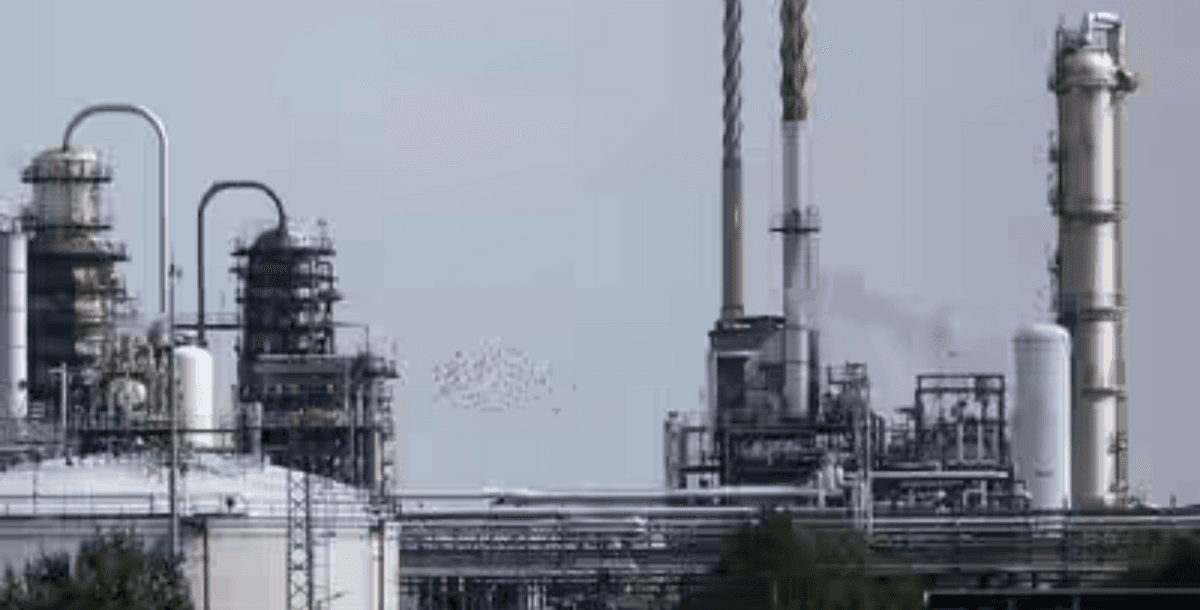
The crisis stems from damaged refineries. Sustained Ukrainian drone strikes on Russian oil refineries, fuel depots, and energy infrastructure have knocked a substantial share of the country's refining capacity offline, by some estimates a quarter or more. This has pushed crude processing to a multi-decade low and cut gasoline output significantly, leaving a daily shortfall between production and summer demand. The result has been fuel shortages across a large number of Russian regions, spanning multiple time zones, with long queues at filling stations, rationing, and record-high pump prices. The disruption has affected residents, businesses, and even aviation fuel supplies, straining daily life across wide areas of the country.
The Import Plan
Russia has assembled a multi-country supply response. To bridge the gap, Moscow reportedly aims to import around 400,000 metric tonnes of gasoline per month from a range of suppliers, with India emerging as a key source alongside neighbouring Belarus. Belarus has already stepped up its rail-borne fuel deliveries to Russia in recent weeks. The scale of the planned imports reflects the size of the shortfall and the urgency of stabilising domestic supply before the crisis deepens. By sourcing from multiple partners, Russia is seeking to assemble enough volume to ease shortages in the worst-affected regions and bring soaring retail fuel prices back under control.
The India Connection
India sits at the centre of this trade. It has become the largest buyer of Russian crude oil since the escalation of the conflict, with imports reaching a record level in June, accounting for more than half of India's total crude purchases. Indian refiners process this discounted crude and re-export a range of petroleum products, including gasoline, to markets across the world. This makes India a natural supplier for Russia's emergency fuel needs, and creates the unusual situation in which Russia imports refined gasoline derived partly from the very crude it sold to India. The relationship illustrates the deep and growing energy ties between the two countries.
The Economic Logic
For Indian refiners, the trade offers a commercial opportunity. India has built substantial refining capacity and become a significant exporter of petroleum products, including record volumes of gasoline, much of it destined for Asian markets. Supplying Russia adds another buyer for Indian fuel exports. Shipping gasoline over long distances by sea is typically unprofitable under normal market conditions, but Russia's willingness to absorb the cost, supported by government measures, makes the trade viable. For India, processing cheap Russian crude and exporting refined products, now including back to Russia, has become a lucrative feature of its energy economy, reinforcing its position in global fuel markets.
Russia's Response
Moscow has acknowledged the crisis and acted to manage it. Russia's leadership has publicly recognised the fuel shortage and said the government is taking steps to address it. The country's parliament has approved amendments to the tax code designed to subsidise fuel imports and ease pressure on the domestic market, extending an existing mechanism used to keep retail prices in check. Under the measures, subsidies would be calculated based on gasoline prices in the Indian market and the cost of shipping fuel to Russia. These steps are intended to make importing gasoline economically feasible and to prevent domestic pump prices from rising further, cushioning consumers from the full impact of the shortage.
The Global Energy Shift
The development signals shifting energy trade flows. Russia's move from exporter to importer of refined fuel, even temporarily, highlights how the conflict has reshaped global energy markets and supply chains. It underscores India's expanding role as a refining hub and exporter, capable of supplying fuel even to a major energy producer in distress. The situation also demonstrates the vulnerability of energy infrastructure to sustained disruption and the ripple effects across international markets. As trade patterns adjust to sanctions, conflict, and shifting demand, the flow of Russian crude to India and Indian gasoline back to Russia has become one of the more striking examples of how global energy commerce is being rerouted.
The Road Ahead
The duration of Russia's reliance on imported gasoline will depend on how quickly it can restore refining capacity and whether disruptions to its energy infrastructure continue. Repairs to damaged facilities, the trajectory of the conflict, and the pace of import shipments will all shape the outlook. For India, the trade offers continued commercial benefit as long as it persists, further cementing its role in global fuel supply. More broadly, the episode illustrates how conflict and shifting alliances are redrawing the map of global energy trade in real time. How long this unusual arrangement lasts, and how it evolves, will be watched closely across energy markets worldwide.
Frequently Asked Questions
Why is Russia importing gasoline from India?
Russia is facing severe domestic fuel shortages after Ukrainian drone strikes damaged its oil refineries and energy infrastructure, cutting refining capacity and gasoline output. It has turned to imports, including from India, to bridge the gap.
How much gasoline has India shipped to Russia?
According to industry sources cited by Reuters, at least 60,000 metric tonnes have already been dispatched from India, with two additional tankers carrying tens of thousands of tonnes each reportedly en route to Russian ports.
Why is this significant?
Russia is one of the world's largest energy exporters, so importing refined fuel marks a rare reversal. It highlights the conflict's toll on Russia's energy sector and India's growing role as a major refiner and exporter of petroleum products.
What is the India-Russia energy connection?
India is the largest buyer of Russian crude oil, with record imports in June accounting for over half its crude purchases. Indian refiners process this crude and re-export products, meaning Russia is effectively buying back refined gasoline derived from its own oil.
How much does Russia plan to import?
Russia reportedly aims to import around 400,000 metric tonnes of gasoline per month from multiple suppliers, including India and Belarus, to stabilise domestic supply and bring down record-high retail fuel prices.
 Related News
POST A COMMENT (0)
All Comments (0)
Replies (0)