





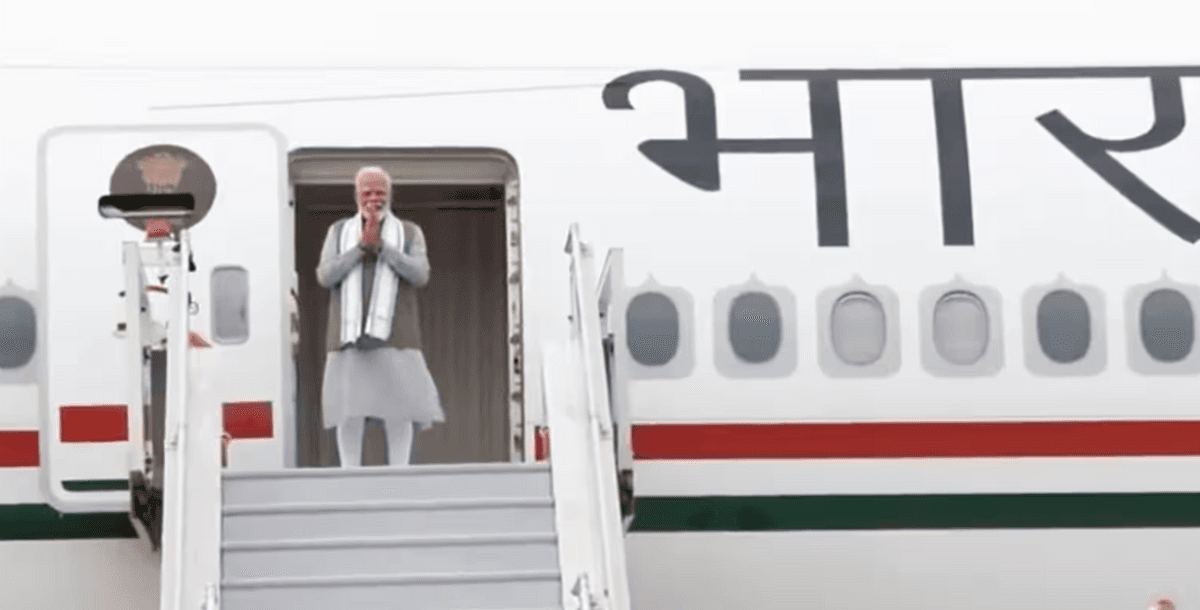
India Strengthens Indo-Pacific Partnerships Through PM Modi's Three-Nation Tour
Spanning Indonesia, Australia, and New Zealand, the six-day tour knits together trade pacts, maritime cooperation, and strategic alignment — advancing an Indo-Pacific architecture built on the Act East policy and India's MAHASAGAR maritime vision.
By Naina, 6th July 2026
India is strengthening its partnerships across the Indo-Pacific through Prime Minister Narendra Modi's ongoing three-nation tour of Indonesia, Australia, and New Zealand, a diplomatic push aimed at deepening strategic, economic, and maritime cooperation in a region of rising global importance. The six-day visit, spanning Jakarta, Melbourne, and Auckland, reflects India's growing focus on the eastern Indian Ocean and the wider Indo-Pacific, anchored in its Act East policy and its maritime vision for security and growth. Through bilateral talks, business engagements, and the advancement of trade agreements, the tour seeks to consolidate India's relationships with three key regional players. It underscores a broader strategy of building a network of partnerships that enhance India's influence, secure its economic interests, and contribute to a stable, open regional order.
The tour comes at a moment of shifting geopolitical dynamics, as nations across the Indo-Pacific recalibrate their alignments and economic ties. For India, deepening engagement with Indonesia, Australia, and New Zealand advances its ambition to be a leading power in the region, complementing its involvement in wider regional groupings and its expanding web of trade and security arrangements. The visit blends economic diplomacy, including a landmark trade agreement and business forums, with strategic and maritime cooperation, reflecting the multifaceted nature of India's Indo-Pacific engagement. Here is how the three-nation tour is strengthening India's regional partnerships, the strategic vision behind it, and its significance for India's role in the Indo-Pacific.
The Strategic Vision
The tour is rooted in a clear strategic framework. India's engagement across the Indo-Pacific is guided by its Act East policy, which seeks to deepen ties with Southeast Asia and the Pacific, and its maritime doctrine for security and growth across the Indian Ocean region. The government has framed the visit as advancing a free, open, and inclusive Indo-Pacific, reflecting India's vision of a rules-based regional order. By engaging Indonesia, Australia, and New Zealand together, the tour demonstrates a coordinated approach to building partnerships across the region rather than isolated bilateral outreach. This strategic vision positions India as an increasingly active shaper of the Indo-Pacific's future, seeking to align its economic, security, and diplomatic interests with those of key regional partners.
The Indonesia Partnership
Indonesia anchors India's Southeast Asian engagement. As the first leg of the tour, the visit reinforces a comprehensive strategic partnership between the two maritime neighbours, encompassing trade, security, and cultural ties. Bilateral discussions aim to review and deepen cooperation, building on a relationship elevated in recent years. Indonesia, a major economy and a pivotal player in Southeast Asia, is central to India's Act East ambitions and its engagement with regional groupings. The deep historical and cultural bonds between the two nations, reflected in shared heritage, add a further dimension to the partnership. Strengthening ties with Indonesia enhances India's connectivity with the broader Southeast Asian region and reinforces maritime cooperation in strategically important waters.
The Australia Alignment
Australia represents one of India's closest Indo-Pacific partners. The visit, centred on a leaders' summit, deepens a comprehensive strategic partnership spanning trade, defence, security, and technology. The two countries have significantly expanded cooperation in recent years, including through wider regional groupings focused on the Indo-Pacific. A business forum bringing together corporate leaders underscores the economic dimension, with both sides seeking to boost trade and investment. Australia views India as a critical economic partner and one of the world's fastest-growing major economies. The alignment between the two democracies, sharing concerns about regional stability and a commitment to an open Indo-Pacific, makes Australia a cornerstone of India's regional strategy, and the summit reinforces this deepening strategic convergence.
The New Zealand Breakthrough
New Zealand marks a significant diplomatic breakthrough. The visit, the first by an Indian prime minister to the country in nearly four decades, represents a major step in revitalising a long-underdeveloped relationship. Central to the engagement is a recently concluded free trade agreement, which promises to boost commerce by opening access to India's vast market, alongside cooperation in agriculture, education, and technology. By elevating ties with New Zealand after years of limited high-level engagement, India extends its Indo-Pacific partnerships further into the Pacific. This breakthrough reflects a deliberate effort to build a more comprehensive network of relationships across the region, ensuring that India's engagement is broad-based rather than confined to its largest partners.
The Economic Dimension
Economic cooperation is central to the partnerships. Across the tour, India is advancing trade and investment ties, most notably through the free trade agreement with New Zealand and business engagements in Australia designed to expand commercial links. These economic arrangements deepen interdependence and give partners a tangible stake in the relationship, reinforcing strategic alignment. For India, expanding trade access, attracting investment, and building supply-chain linkages across the Indo-Pacific supports its broader economic goals, including diversifying partnerships and reducing dependence on any single market. The integration of economic diplomacy with strategic engagement reflects a recognition that durable partnerships rest on both security cooperation and mutual economic benefit, making trade a key pillar of India's Indo-Pacific strategy.
The Maritime Focus
Maritime cooperation runs through the tour. India's engagement across the Indo-Pacific is closely tied to its maritime vision, reflecting the strategic importance of the Indian Ocean and Pacific waters for trade, security, and connectivity. Partnerships with maritime nations like Indonesia, Australia, and New Zealand enhance cooperation on maritime security, safety of sea lanes, and a rules-based order at sea. As a growing maritime power, India seeks to work with regional partners to ensure stability and openness across vital waterways. This maritime dimension underpins many of the strategic aspects of the tour, aligning with India's broader efforts to secure its interests and contribute to regional security in an increasingly contested maritime environment.
The Regional Balance
The tour reflects India's approach to a shifting regional order. As the Indo-Pacific becomes a focus of intensifying strategic and economic competition, nations are diversifying their partnerships to enhance resilience and autonomy. India's outreach to Indonesia, Australia, and New Zealand is part of a broader effort to build a web of relationships that strengthen its position and contribute to a stable, multipolar regional balance. By deepening ties with multiple partners across the region, India enhances its strategic options and reinforces a framework of cooperation among like-minded nations. This approach reflects a pragmatic response to an evolving geopolitical landscape, in which strong, diversified partnerships are increasingly valuable for navigating uncertainty and shaping regional outcomes.
The Diaspora Bridge
The Indian diaspora strengthens these partnerships. In all three countries, sizeable communities of Indian origin serve as a living bridge, contributing to economic, cultural, and people-to-people ties. The prime minister's engagements with these communities during the tour reinforce connections that underpin broader bilateral relationships and project India's soft power. The diaspora's role in the host economies and its links to India add depth and resilience to the partnerships, complementing formal diplomatic and economic cooperation. By nurturing these community ties, India reinforces the human foundations of its Indo-Pacific relationships, ensuring that the partnerships are anchored not only in strategic and economic interests but also in enduring cultural and personal connections across the region.
The Road Ahead
The three-nation tour marks a significant step in strengthening India's Indo-Pacific partnerships, weaving together strategic, economic, maritime, and cultural threads into a coherent regional strategy. The outcomes, including deepened bilateral ties, advanced trade agreements, and reinforced maritime cooperation, will shape India's role in the region for years to come. As India continues to build a diversified network of partnerships across the Indo-Pacific, such high-level engagements will remain central to its foreign policy. The tour reflects a broader ambition to be a leading, constructive power in a region of growing global significance. How effectively India translates these partnerships into sustained cooperation will determine its influence in shaping a stable, open, and prosperous Indo-Pacific.
Frequently Asked Questions
How does the tour strengthen India's Indo-Pacific partnerships?
By deepening strategic, economic, and maritime cooperation with Indonesia, Australia, and New Zealand through bilateral talks, business engagements, and trade agreements, the tour consolidates India's relationships with three key regional players and advances its Act East policy.
What is the strategic vision behind the tour?
The tour is guided by India's Act East policy and its maritime vision for the Indian Ocean, advancing a free, open, and inclusive Indo-Pacific and reflecting a coordinated approach to building a network of regional partnerships.
What is significant about the New Zealand leg?
It is the first visit by an Indian prime minister to New Zealand in nearly four decades and centres on a recently concluded free trade agreement, marking a major revitalisation of a long-underdeveloped relationship and extending India's partnerships into the Pacific.
How does economic cooperation fit in?
Trade and investment, including a free trade agreement and business forums, deepen interdependence and reinforce strategic alignment, supporting India's goals of expanding market access, attracting investment, and diversifying partnerships across the region.
Why is the Indo-Pacific important for India?
The Indo-Pacific is a region of rising strategic and economic significance, vital for trade, security, and maritime connectivity. Building strong, diversified partnerships there enhances India's influence, secures its interests, and contributes to a stable regional order.
 Related News
POST A COMMENT (0)
All Comments (0)
Replies (0)